1) Brown University Mass Shooting — 2 Dead, 9 Injured, Suspect Sought
Summary: A mass shooting broke out Saturday afternoon on the campus of Brown University in Providence, Rhode Island, where a gunman opened fire inside an engineering building during final exams. Two students were killed and nine others — mostly students — were wounded. Police conducted a city-wide manhunt with over 400 officers, and law enforcement is continuing an active search for a suspect.
Analysis:
This tragic event marks the first recorded mass shooting at an Ivy League university, raising fresh urgency in the national debate over campus safety and gun violence. The timing — during exams — has amplified shock across higher education institutions nationwide, triggering immediate lockdowns and shelter-in-place alerts not just at Brown but at universities reviewing their emergency response protocols.
Officials reported that the shooter fled the scene, and authorities released surveillance footage to aid identification. Rhode Island’s law enforcement apparatus — including the FBI and ATF — is fully engaged. The psychological effect on students, faculty, and families could be long-lasting, particularly as the event transpired in a space typically associated with intellectual pursuit and safety.
National reactions from leaders highlight the political weight of gun control debates. Some activists are expected to use this incident to renew calls for legislative action, while others emphasize enhanced security infrastructure and threat detection on campus. Economically, universities may face increased insurance costs and demands for expanded counseling and trauma support services, compounding institutional operational pressures.
2) Historic Flooding in Washington State — Evacuations, Emergency
Summary: Western Washington is enduring historic flooding caused by an atmospheric river, prompting evacuation orders affecting tens of thousands of residents. Roads, bridges, and infrastructure have been overwhelmed as river levels surge. A federal emergency declaration was approved to expedite resources.
Thank you for reading this post, don't forget to subscribe!Analysis:
This flooding event is one of the most severe in the region’s modern history, driven by an intense atmospheric river — a large plume of moisture funneled from the Pacific that has dumped unprecedented rainfall. The combination of record river crest levels and saturated soils has compromised levees, inundated agricultural districts, and left communities vulnerable as winter rain continues.
Gov. Bob Ferguson’s emergency declaration enabled the National Guard and FEMA pre-positioning of assistance teams. Evacuation orders in floodplain areas like Skagit County illustrate not just a weather disaster but a logistics and public safety challenge. Critical infrastructure such as Amtrak and major highways have reported closures or disruptions, complicating relief efforts.
Climate scientists link events of this intensity to shifting precipitation patterns driven by climate change, underscoring the need for updated flood management frameworks, resilient infrastructure design, and long-range land-use planning. Economically, local business losses, agricultural damage, and rebuilding will strain county budgets and likely lead to federal reimbursement requests. The environmental toll — from sediment displacement to contaminant spread — also demands multi-agency coordination.
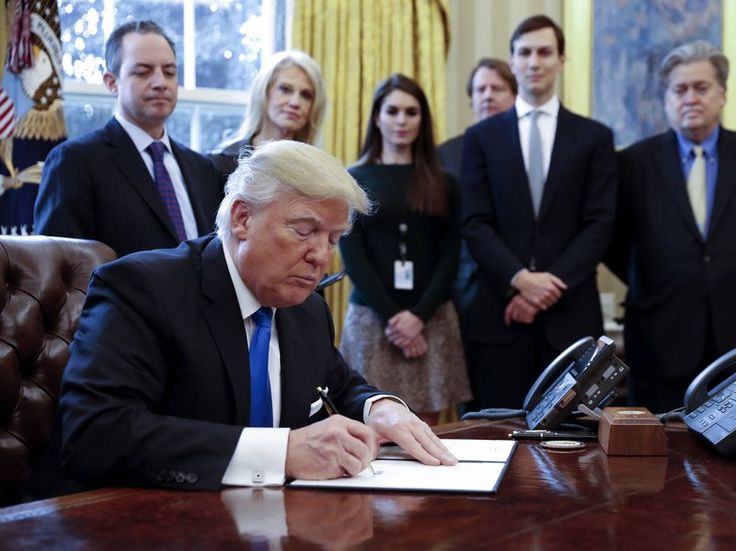
3) Trump Administration’s Deepening Isolationist Strategy
Summary: According to The Washington Post, the Trump administration is doubling down on an isolationist and protectionist foreign policy, tightening immigration restrictions, expanding travel bans, and proposing reduced participation in global alliances. Critics warn this could undermine U.S. influence.
Analysis:
This foreign policy shift reflects a strategic turn away from post-World War II frameworks such as NATO and multilateral diplomacy toward a doctrine focused on “America First” sovereignty and border control. Domestically, it aligns with growing political narratives emphasizing national security and cultural preservation, but scholars argue it risks isolating the U.S. at a time when geopolitical fluidity demands coalition responses to crises like Russia’s invasion of Ukraine and tensions in the Indo-Pacific.
Immigration policy changes — including expanded travel bans and rigorous vetting standards — echo past restrictive moves but with broader scope. Opponents contend these measures may conflict with U.S. economic interests, particularly in labor markets reliant on skilled foreign talent. Trade policy shifts toward protectionism could reduce competitiveness and invite retaliatory measures, affecting key industries from agriculture to technology.
International partners have responded with concern. European leaders, already vocal about trade and defense disagreements, view reduced U.S. engagement as a potential vacuum that may embolden rival powers. There are also implications for global climate diplomacy and security pacts. This ideological pivot marks one of the most consequential presidential policy reorientations in decades.
4) U.S. Seizure of Venezuela Oil Tanker Sparks Global Backlash
Summary: Cuba has condemned the U.S. seizure of the Skipper oil tanker, calling it an act of “maritime terrorism.” The tanker, bound for Cuba with nearly 2 million barrels of Venezuelan crude, was redirected to Texas, intensifying geopolitical tension in the region.
Analysis:
The seizure represents a significant escalation in U.S. pressure on Venezuela — a key ally to Cuba and critic of Washington’s sanctions regime. Cuba’s response signals a deterioration in diplomatic ties, invoking historical grievances that could revive Cold War–era rhetoric. Caracas and Havana may leverage this incident to consolidate regional alliances against perceived U.S. aggression.
Domestically, critics argue that such actions risk alienating moderate hemispheric partners and undermining U.S. leadership in diplomatic conflict resolution. The legal basis cited by the U.S. — enforcement of sanctions and maritime law — will be scrutinized in international courts and media. Economically, diverting crude supplies may affect global energy markets by constraining Venezuelan exports and altering freight flows, potentially raising fuel prices.
Strategic implications include signaling to other authoritarian regimes that Washington is willing to employ assertive economic tools. However, critics worry this hardline approach undercuts long-term stability goals and could close channels for negotiation on issues like migration and security cooperation.
5) U.S. Political and Corporate Accountability Clashes Intensify
Summary: In developments linked to Trump political circles, Democratic leaders have called for investigations into multimillion-dollar financial transactions by Trump-aligned billionaires that followed regulatory decisions favorable to their company.
Analysis:
This issue underscores ongoing tension between governance norms and private interests. The timing of financial gains linked to regulatory decisions raises questions about conflicts of interest and ethical governance. Democrats argue these patterns erode public trust and highlight potential loopholes in oversight mechanisms.
If investigative committees or watchdog agencies find improprieties, implications could reach electoral politics, regulatory reform, and corporate governance standards. Critics of aggressive oversight warn against politicizing economic activities without clear evidence, while proponents emphasize the need for transparency.
These dynamics also affect investor confidence, especially in sectors subject to stringent regulations like energy and infrastructure. Heightened scrutiny may push firms to adopt stricter compliance regimes, but could also slow investment if regulatory unpredictability increases.
6) Afghan Communities Protest U.S. Immigration Restrictions
Summary: Afghan communities across the U.S. have organized protests against recent immigration restrictions they say unfairly target innocent people.
Analysis:
These protests reveal broader societal fractures over immigration policy and refugee resettlement. Afghan refugees, many of whom assisted U.S. missions abroad, argue the restrictions contravene humanitarian expectations and betray commitments made during evacuation phases of past conflicts.
Social movements like these influence public discourse and could affect midterm electoral politics, especially in districts with sizable immigrant populations. Civil rights organizations may pursue legal challenges on grounds of discrimination and due process, further shaping policy debates.
Long-term integration of refugees is also a factor; restrictive policies might hinder workforce participation and community building, with economic and cultural repercussions for host cities.
7) U.S. Federal Reserve Signals “Higher for Longer” Interest Rate Stance
Summary:
Senior Federal Reserve officials indicated that interest rates are likely to remain elevated well into 2026, even as inflation shows gradual cooling. Recent economic data suggests resilience in consumer spending and employment, giving the Fed room to delay rate cuts.

Analysis:
The Federal Reserve’s messaging reflects a delicate balancing act between controlling inflation and avoiding a recession. While headline inflation has moderated compared to peaks seen earlier in the decade, core inflation—especially in housing, healthcare, and services—remains stubborn. Fed officials are increasingly concerned that premature rate cuts could reignite price pressures, undoing years of monetary tightening.
For households, this stance means borrowing costs for mortgages, auto loans, and credit cards will stay high. First-time homebuyers are particularly affected, as affordability remains constrained despite modest price corrections in some markets. Small businesses, which rely heavily on credit, may delay expansion plans, affecting job creation.
From a broader perspective, the Fed’s posture underscores confidence in the U.S. economy’s underlying strength. Unemployment remains historically low, and wage growth, while slowing, continues to support consumer demand. However, the risk lies in overtightening—keeping rates high for too long could quietly weaken sectors like manufacturing and commercial real estate.
Politically, the Fed’s independence will be tested as election-year pressures mount. Lawmakers may call for relief, but the central bank appears committed to data-driven decisions rather than political timelines.
8) U.S. Border States Report Surge in Migrant Arrivals Ahead of Winter
Summary:
Texas, Arizona, and California officials report a renewed surge in migrant crossings, straining shelters, local budgets, and federal coordination systems as winter approaches.
Analysis:
The latest increase in border crossings highlights the cyclical nature of U.S. immigration pressures and the limits of existing policy tools. Seasonal migration patterns, combined with instability in Latin America and tighter asylum policies elsewhere, are pushing more migrants toward U.S. entry points.
Local governments are bearing the immediate burden. Cities like El Paso and San Diego report shelter overcrowding and funding shortfalls, while governors demand faster federal reimbursements. Humanitarian groups warn that colder weather increases health risks for migrants waiting in processing facilities or makeshift camps.
At the federal level, the issue exposes a policy paradox: stricter enforcement may deter some crossings but often leads to riskier migration attempts. Meanwhile, legal pathways remain limited and backlogged, leaving asylum seekers in prolonged uncertainty.
Economically, the debate remains polarized. Critics emphasize costs to taxpayers and local infrastructure, while supporters point to long-term labor benefits, especially in agriculture, construction, and caregiving sectors. Immigration continues to be a defining political issue, shaping voter sentiment and influencing legislative negotiations in Congress.
9) Pentagon Accelerates Military Aid Logistics to Ukraine
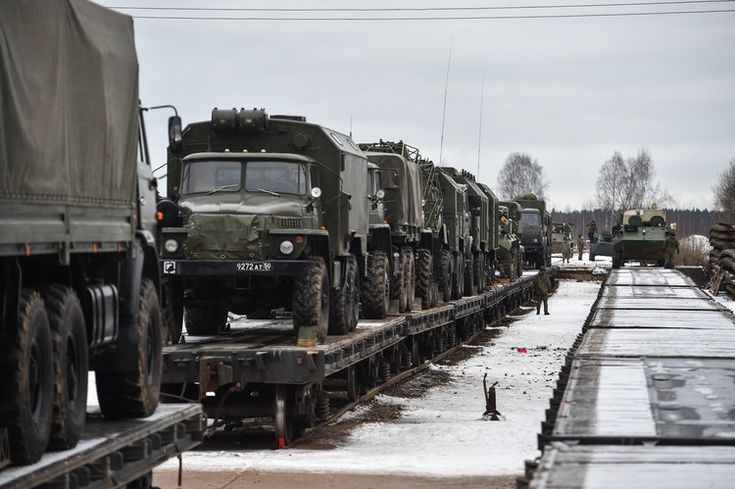
Summary:
The U.S. Department of Defense announced accelerated delivery schedules for military aid to Ukraine, citing concerns over battlefield momentum and allied coordination.
Analysis:
The Pentagon’s move reflects urgency amid intensifying conflict dynamics in Eastern Europe. While Congress has debated funding levels, defense officials emphasize that timing is as critical as volume. Delays in equipment delivery can alter battlefield outcomes, particularly in air defense and artillery support.
Strategically, this acceleration reassures NATO allies of continued U.S. commitment. European partners have increased their own contributions, but U.S. logistical capacity remains central to sustaining Ukraine’s defense. The decision also signals to adversaries that Washington intends to maintain pressure despite domestic political divisions.
Domestically, the policy faces scrutiny from lawmakers questioning the long-term cost and scope of involvement. Supporters argue that aiding Ukraine prevents broader regional instability that could demand even greater U.S. intervention later.
Economically, defense production tied to Ukraine aid supports U.S. manufacturing jobs, especially in aerospace and munitions sectors. However, concerns remain about stockpile depletion and readiness for other potential conflicts, including in the Indo-Pacific.
10) U.S. Supreme Court Faces Renewed Ethics Reform Pressure
Summary:
Lawmakers renewed calls for enforceable ethics rules for Supreme Court justices following new disclosures related to travel and financial ties.
Analysis:
Public confidence in the judiciary hinges on perceptions of impartiality. Recent revelations—though not illegal—have intensified arguments that voluntary disclosure is insufficient for the nation’s highest court. Unlike lower courts, the Supreme Court currently lacks a binding ethics enforcement mechanism.
Reform advocates argue that clearer rules would protect the Court’s legitimacy rather than undermine it. Critics counter that legislative oversight risks violating separation of powers. The debate reflects broader institutional trust challenges across American governance.
Public opinion polls show declining confidence in the Court, driven partly by high-profile rulings and perceived politicization. Any reform effort will face constitutional scrutiny, but momentum suggests ethics reform will remain a prominent issue into the next congressional session.
11) Major U.S. Retailers Forecast Cautious 2026 Consumer Spending
Summary:
Leading retailers issued conservative outlooks for 2026, citing high interest rates, credit fatigue, and cautious consumer behavior.
Retailers are responding with leaner inventories and fewer promotions, aiming to protect margins rather than chase volume. This shift could stabilize profits but may slow job growth in retail and logistics sectors.
From a macro perspective, cautious spending aligns with the Fed’s goal of cooling demand without triggering recession. However, prolonged weakness in consumer confidence could ripple into manufacturing and services, reinforcing economic slowdown risks.
12) U.S. Energy Sector Sees Oil Price Volatility After Global Tensions
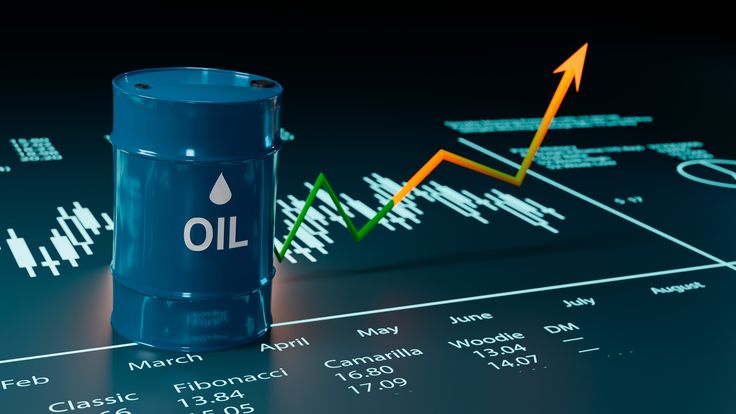
Summary:
Oil prices fluctuated sharply following geopolitical developments involving sanctions enforcement and Middle East supply risks.
Analysis:
Energy markets are reacting to a combination of supply constraints and geopolitical uncertainty. U.S. producers benefit from higher prices in the short term, but volatility complicates investment planning. Consumers may face renewed fuel price pressure, influencing inflation trends.
Strategically, energy independence remains a key U.S. advantage. Domestic production buffers global shocks, but refinery capacity and distribution bottlenecks can still cause localized price spikes.
13) American Airlines and United Expand International Routes
Summary:
Major U.S. airlines announced expanded international routes for 2026, citing strong demand for long-haul travel.
Analysis:
The expansion signals confidence in global travel recovery. Leisure travel leads demand, while business travel continues gradual rebound. Airlines are investing in fuel-efficient aircraft to manage costs amid fuel price uncertainty.
Tourism boosts local economies but also raises sustainability concerns, pushing airlines to balance growth with environmental commitments.
14) U.S. Tech Sector Pushes Back on Proposed AI Regulations
Summary:
Technology companies intensified lobbying against proposed federal AI regulations, arguing they could stifle innovation.
Analysis:
The debate centers on balancing innovation with safety. Industry leaders warn that overly rigid rules may push AI development overseas. Policymakers counter that guardrails are essential to prevent misuse, bias, and security threats.
This regulatory crossroads will shape America’s technological competitiveness for decades.
15) National Weather Service Warns of Severe Winter Storm Risks

Summary:
The National Weather Service issued warnings for potential severe winter storms across the Midwest and Northeast.
Analysis:
Extreme weather events increasingly strain infrastructure and emergency systems. Utilities, transportation agencies, and hospitals are preparing for outages and disruptions. These events highlight the growing cost of climate-driven weather volatility and the need for resilient planning at federal and state levels.
About the Author