
1. Intensified Russian Drone & Missile Offensive Across Ukraine

Over the past 24 hours, Ukraine has faced one of the most intense waves of Russian attacks in recent months, involving hundreds of UAVs and dozens of cruise and ballistic missiles. These strikes were systematically targeted at Ukraine’s most vulnerable sectors—energy networks, transportation infrastructure, and civilian essential services. This escalation clearly reflects a renewed Russian strategy: weakening Ukraine ahead of the winter season when heating, electricity, and basic utilities become essential for survival.
The deliberate targeting of power grids has triggered massive blackouts, leaving millions of Ukrainians in darkness and cold. With heating systems failing in multiple major urban centers, the situation could worsen as temperatures drop. Water pumping stations, which rely heavily on electric power, have also been disrupted, cutting water supply across several regions. Meanwhile, railway hubs and port infrastructure—critical for both military logistics and humanitarian supplies—have been heavily damaged. This not only affects Ukraine’s internal mobility but also its ability to import essential goods and export grain.
Thank you for reading this post, don't forget to subscribe!Although Ukrainian air defenses intercepted the majority of incoming drones and missiles, the scale of the offensive guarantees that some targets are inevitably hit. Emergency crews are working under constant threat of renewed strikes, highlighting the extreme challenges of maintaining essential services during active combat.
Strategically, Russia aims to crush morale, trigger humanitarian breakdown, and stretch Ukraine’s limited defense resources. The long-term consequences could include prolonged reconstruction timelines, weakened economic output, and greater dependence on international aid. This latest wave marks a significant turning point as winter approaches and Ukraine prepares for a potentially devastating energy crisis.
2. Damage to Nuclear, Energy & Transportation Infrastructure
One of the most alarming dimensions of the latest Russian assault is the direct or near-direct targeting of nuclear power plants—facilities that are central to Ukraine’s electricity grid and pose immense environmental risks. While no catastrophic failures have yet occurred, even peripheral damage to supporting infrastructure raises global concerns. A single miscalculation could lead to a radiological emergency, further complicating humanitarian and military operations.
Energy production facilities, particularly thermal and hydroelectric plants, have suffered severe damage. Some plants are operating at reduced capacity, while others have temporarily shut down. This intensifies the strain on Ukraine’s already fragile power distribution network, forcing rolling blackouts and emergency energy rationing. Millions now rely on backup generators, which are costly and require fuel that is becoming increasingly scarce.
Rail depots and port terminals—lifelines for Ukrainian exports—have also been hit. Railway disruptions directly impact military mobility, troop deployment, and delivery of Western aid. Ports, especially those used for grain exports, face severe operational backlogs, raising concerns about global food supply chains given Ukraine’s role as a major agricultural exporter.
These strategic strikes aim to collapse Ukraine’s economic stability, hinder military logistics, and undermine public morale. The cost of rebuilding this infrastructure is measured not only in billions of dollars but also in months or years of repairs, slowing Ukraine’s broader war effort. Western nations face renewed pressure to strengthen air defense supply lines, provide energy equipment, and reinforce Ukraine’s infrastructure resilience ahead of winter.
3. Humanitarian Fallout: Millions Facing Blackouts, Water Shortages & Winter Hardship
The humanitarian impact of the latest attacks is severe and expanding. With energy grids heavily damaged, millions of civilians are experiencing prolonged blackouts, leaving families without heat, electricity, and clean water. As winter approaches, this vulnerability becomes critical. Temperatures in many parts of Ukraine can drop below -10°C, posing serious risks for the elderly, children, and those living in rural or poorly insulated homes.
Hospitals are shifting to backup generators, but fuel supplies are strained, threatening essential medical services such as surgeries, neonatal care, and emergency treatments. Schools, public buildings, and community shelters are struggling to maintain heating. Water supply disruptions have further compounded the crisis: treatment plants cannot operate without stable electricity, and frozen pipes risk long-term infrastructural damage.
Humanitarian agencies warn that displacement may increase as families flee heavily affected regions in search of safer, warmer areas. Aid groups are scrambling to deliver generators, blankets, food, and medical supplies, but logistical challenges—damaged roads, blocked railways, and limited fuel—slow distribution.
Psychologically, the attacks aim to break civilian morale. By making basic survival difficult, Russia seeks to pressure Ukraine’s leadership and erode public confidence in the government’s ability to protect essential services. International support remains crucial, but gaps in coordination and limited winter-ready supplies pose ongoing challenges. The humanitarian situation is likely to worsen unless significant resources are mobilized immediately.
4. Air Defense Effectiveness & Strategic Limitations
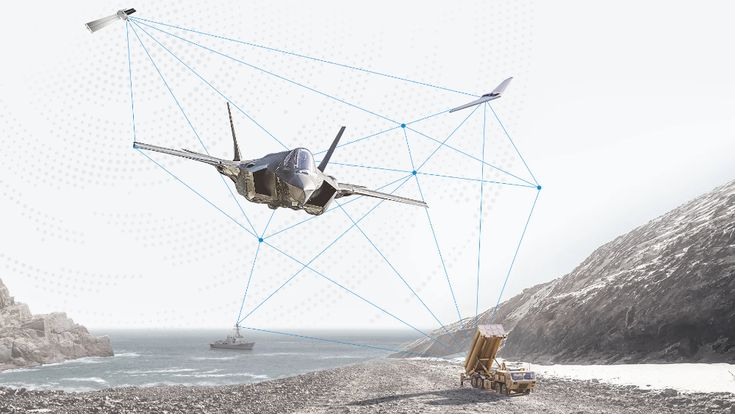
Ukraine’s air defense systems, bolstered by Western support, demonstrated remarkable capability by intercepting a large number of incoming drones and missiles. However, the scale and intensity of the Russian assault expose critical gaps in coverage, ammunition supply, and system saturation thresholds. Russia’s strategy increasingly relies on overwhelming Ukraine’s defenses through volume, using swarms of inexpensive drones followed by precision missiles to break through weakened defensive layers.
Despite effective interception rates, even a handful of missiles can cause disproportionate damage to critical infrastructure. The challenge for Ukraine is not only defending the airspace but sustaining ammunition supplies for Patriot, NASAMS, IRIS-T, and other systems. Western nations face growing pressure to maintain consistent deliveries of interceptor missiles, spare parts, and radar equipment—especially as winter increases demand for infrastructure protection.
Russia has also adapted its tactics, employing mixed UAV formations, decoys, and low-altitude cruise missiles to evade radar systems. As the conflict evolves, Ukraine must continue upgrading its integrated air defense network, improving coordination between systems, and adopting new technologies such as electronic warfare and counter-UAV systems.
Strategically, the attacks test Western defense support mechanisms. A prolonged depletion of Ukrainian air defense stockpiles could significantly change the course of the war. The latest assault highlights a critical truth: even strong air-defense performance cannot fully stop infrastructure damage when facing persistent, high-volume attacks.
5. Regional Escalation Risks: Neighboring Countries Deploy Fighter Jets
The latest wave of Russian attacks has triggered heightened alarm among neighboring countries, prompting the deployment of fighter jets and enhanced monitoring systems along regional borders. Nations such as Poland, Romania, and Slovakia have activated rapid-response units as stray missiles and drones from previous attacks have occasionally crossed into NATO territory.
This increased vigilance reflects the broader danger of accidental escalation. Any missile or drone violating NATO airspace—even unintentionally—risks triggering Article 4 consultations or, in worst-case scenarios, escalation toward collective defense measures. The presence of NATO aircraft near Ukrainian airspace introduces greater complexity, raising risks of miscalculation, especially amid crowded skies filled with drones, cruise missiles, and defensive interceptors.
Additionally, these developments strain regional resources. Countries must balance national readiness with the cost of constant air patrols and radar surveillance. For NATO, the Russian offensive reinforces the urgency of strengthening Eastern European air defense systems, integrating advanced radar networks, and preparing for hybrid threats.
The broader implication is clear: Russia’s strategy not only weakens Ukraine but destabilizes the regional security environment. As winter intensifies military dependence on infrastructure, the potential for miscalculated escalation grows. NATO nations are increasingly aware that the conflict, though centered in Ukraine, carries ripple effects that demand constant vigilance and preparedness.
6. U.S.–Ukraine Intelligence Coordination Strengthens Amid Escalating Attacks
As Russia intensifies its drone and missile campaigns, the coordination between U.S. and Ukrainian intelligence agencies has deepened significantly. Washington is providing near-real-time satellite imagery, early warning data, and advanced surveillance assessments that help Ukraine anticipate the direction, scale, and nature of incoming Russian strikes. This partnership has become essential as Russia increasingly relies on unpredictable drone swarms and multi-vector missile launches aimed at overwhelming Ukrainian defenses.
Although U.S. intelligence is not directly controlling Ukrainian operations, its detailed insights into Russian troop movements, satellite-detected launch patterns, and electronic warfare activities have become indispensable. The strengthening of this cooperation is also a message to Moscow: any escalation, ambiguity, or miscalculated strike near NATO borders will not go unnoticed. At the political level, the Biden administration views this intelligence support as a strategic tool to reinforce Ukraine without direct military involvement.
However, this deeper coordination also raises geopolitical risks. Russia frequently accuses the U.S. of playing an “active battlefield role,” and such claims could be used to justify further escalations. The more Washington assists Ukrainian targeting and defensive preparations, the more Moscow frames the conflict as a proxy confrontation with the West. Still, the U.S. considers the intelligence pipeline a crucial balance of deterrence—helping Ukraine survive the winter assault while signaling to Russia that its actions are being closely monitored across all operational fronts.
7. Critical Role of Ukrainian Emergency Workers Under Constant Fire
Among the unsung heroes of Ukraine’s wartime struggle are the emergency workers—firefighters, medics, engineers, and rapid response teams—who risk their lives daily to restore power lines, repair damaged infrastructure, and rescue civilians from collapsed buildings. During the latest waves of Russian attacks, these teams worked under active shelling, often responding to multiple simultaneous hit zones spread across large geographic regions.
These workers face extremely hostile conditions. In many cases, they arrive at attack sites only to face secondary strikes, a known Russian tactic designed to target rescue teams. Despite this danger, emergency crews continue operating in the dark, cold, and debris-filled environments. Their work is physically exhausting and psychologically taxing; they must navigate collapsed structures, live electrical hazards, and fires triggered by explosions. The pressure to restore power lines before freezing conditions worsen makes every hour critical.
International observers often note that Ukraine’s emergency response infrastructure is performing far beyond what its limited funding and wartime degradation would suggest. Yet equipment shortages remain a major issue—there is not enough machinery, protective gear, or medical supplies. As winter deepens, these workers become even more indispensable. Their resilience and dedication have become a backbone of Ukrainian civilian survival, and without them, the damage inflicted by Russian attacks would escalate into far broader humanitarian disaster.
8. Impact on Children, Schools & Psychological Trauma

The escalation of attacks has had a devastating impact on children, who represent one of the most vulnerable groups in Ukraine. School buildings have sustained significant damage; many have shifted again to fully remote learning, not because of the pandemic but due to missile risks, power outages, and heating failures. Even tele-education becomes nearly impossible when internet networks are down and homes have no electricity for long stretches.
Beyond the educational setback, the psychological toll is severe. Many Ukrainian children have lived more than two years under air raid sirens, explosions, and displacement. The recent intensification of night-time attacks—deliberately timed to maximize fear—has worsened sleep disorders, anxiety, and trauma-related symptoms.
Child psychologists inside the country warn that an entire generation is at risk of long-term PTSD, emotional instability, and developmental challenges. International human rights groups are urging the creation of more child-specific safe zones, mental health support programs, and emergency shelters equipped to care for minors during winter blackouts.
The destruction of playgrounds, youth centers, and schools also strips children of safe environments vital for emotional development. As winter approaches, children face not only the immediate threat of attacks but the deeper, long-term consequences of growing up in an environment dominated by fear, instability, and loss.
9. Damage to Ukraine’s Grain Export Chain & Global Food Concerns
Ukraine is one of the world’s most important agricultural exporters, particularly of wheat, corn, and sunflower oil. The latest Russian strikes heavily targeted port facilities, storage silos, rail junctions, and grain transport routes—creating significant disruptions in the supply chain. These attacks are not random; they aim to cripple Ukraine’s ability to export grain, thereby weakening its economy and pressuring global markets.
Ports along the Black Sea and Danube have experienced delays, vessel backlogs, and destroyed loading equipment. Even minor damage to shipping channels can cripple grain export volumes for weeks. Rail depots carrying grain to European land routes also suffered disruptions, slowing cross-border shipments into Poland, Slovakia, and Romania.
The global impact could be significant. Countries in Africa, South Asia, and the Middle East rely heavily on Ukrainian grain to stabilize food prices. Any extended export slowdown risks generating spikes in global food inflation, potentially pushing vulnerable nations into deeper food insecurity.
Economically, Ukraine faces reduced agricultural revenue at a time when wartime expenditures have reached historic highs. Attempts to diversify export routes cannot fully compensate for the strategic losses caused by infrastructure strikes. The latest wave of attacks underscores Russia’s continued use of food supply destabilization as a geopolitical weapon, echoing concerns repeatedly raised by international organizations.
10. Russia’s Winter Warfare Strategy: Energy as a Weapon
Russia has consistently used winter as a strategic tool, and the latest assaults confirm a renewed application of this doctrine. By targeting energy systems, heating plants, and electricity grids on the eve of harsh winter months, Moscow aims to create widespread suffering among civilians, force mass displacement, and increase the economic burden on both Ukraine and its allies.
This strategy serves multiple objectives. First, it seeks to weaken morale and create internal pressure on the Ukrainian government. Second, it forces Ukraine to divert crucial military resources toward protecting infrastructure instead of forming offensive capabilities. Third, it increases the burden on Western aid systems, which must now supply additional generators, transformers, and emergency power equipment.
Winter energy warfare is not new to Russian military doctrine. Similar tactics were used in Chechnya and during Soviet-era conflicts. However, the technological sophistication of modern energy infrastructure means that even a single successful strike can disable entire regions.
If this pattern continues, Ukraine may face rolling blackouts for months, creating a humanitarian crisis layered atop military challenges. Russia’s intent is clear: to weaponize cold, darkness, and deprivation in an attempt to achieve strategic leverage without necessarily advancing on the ground.
11. Economic Disruption: Ukraine’s Industrial Output Under Threat

The attacks on Ukraine’s infrastructure have severely disrupted industrial output in key sectors such as steel, manufacturing, mining, agriculture, and energy. Many factories are unable to operate due to electricity shortages, damaged supply routes, or physical destruction of machinery. This not only reduces domestic production but also cuts into Ukraine’s already strained state revenues.
Industrial hubs in eastern and central Ukraine—areas containing steel plants, chemical facilities, and machinery production sites—are being hit with increasing frequency. Damage to one major industrial zone can translate into months of lost output. Even industries not directly struck suffer from logistic delays and energy rationing.
Inflation also remains a concern. Supply shortages for fuel, building materials, and food drive prices upward. With millions displaced and poverty increasing, purchasing power continues to erode. Foreign investors, already cautious, are unlikely to commit to long-term projects until the situation stabilizes.
The Ukrainian government’s challenge is to maintain economic resilience while under continuous attack. Emergency financial support from the EU, U.S., and IMF remains vital, but allocation priorities increasingly shift toward defense needs, leaving limited resources for industrial stabilization.
12. Political Ramifications for Europe & NATO
The expanding range of Russian attacks has forced European political leaders to reassess security strategies and accelerate defense procurement. Public pressure is mounting in NATO countries, especially those bordering Ukraine, to increase air defense installations, invest heavily in military readiness, and prepare for spillover risks.
Politically, this creates both unity and tension. Some nations argue for stronger deterrence measures, including expanded missile defense and tighter sanctions. Others worry about provoking further escalation. Meanwhile, far-right and pro-Russian political factions in Europe seek to exploit war fatigue, pushing anti-aid narratives.
The EU’s internal debates over the pace and scale of Ukraine assistance are intensifying. With energy prices rising again and economies slowing, the conflict’s domestic impact is becoming more visible to European voters. Still, the majority of Western governments continue to support Ukraine, viewing the Russian offensive as a threat to European stability and international norms.
The long-term political repercussions will likely influence elections, defense budgets, and Europe’s overall geopolitical posture for years to come.
13. Rising Cybersecurity Risks Amid Infrastructure Attacks
Alongside physical attacks, cybersecurity threats against Ukraine have surged, targeting energy grids, government databases, and communication infrastructure. Russian-linked hacking groups intensify operations during large-scale missile offensives, creating parallel disruptions that magnify physical damage.
Cyberattacks attempt to disable power distribution systems, manipulate emergency alert networks, and compromise logistics databases used for humanitarian and military coordination. Even partial success can amplify chaos—forcing technical teams to work simultaneously on physical and digital repair processes.
Ukraine’s cyber defense units, supported by Western intelligence agencies, have successfully thwarted many attempts. However, the number and sophistication of attacks are rising. Hybrid warfare—simultaneous physical and digital assaults—has become a defining feature of the conflict.
The risk extends beyond Ukraine. European power companies, NATO servers, and defense-linked institutions have reported heightened probing activity. As the conflict intensifies, cybersecurity becomes an extension of the battlefield, with the potential to cause widespread disruption far beyond the frontlines.
14. Ukrainian Public Resilience: Social Unity Amid Hardship
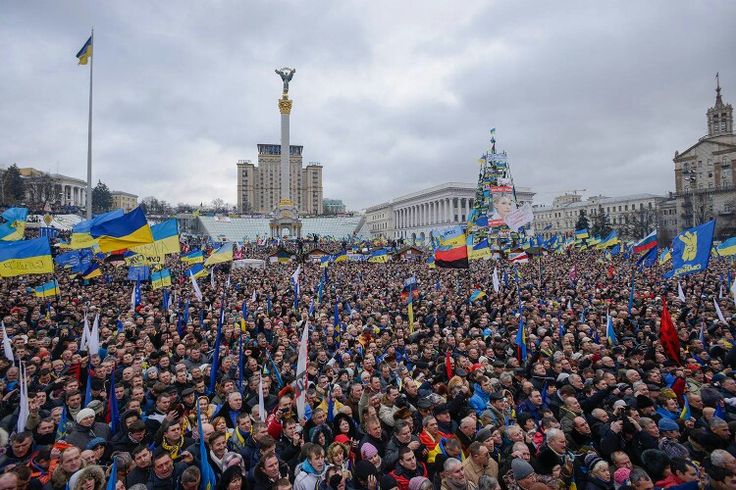
Despite the severe conditions, Ukrainian society continues to demonstrate remarkable resilience. Communities mobilize rapidly during blackouts—opening public shelters, distributing food, and helping elderly neighbors access heat and water. Volunteer networks, which have grown significantly since the war began, now play a central role in supporting displaced families.
Social cohesion remains strong. Public trust in the military and emergency services is high, and support for the country’s defense remains widespread. Even amid fatigue, Ukrainians have shown the ability to adapt to extreme conditions—using wood stoves, portable chargers, and improvised heating solutions during outages.
However, morale is tested. Constant night-time attacks create sleep deprivation and stress. Economic hardship forces difficult daily decisions. Families separated by displacement face emotional strain.
Still, the cultural resolve to resist aggression remains unbroken. This collective spirit is one of Ukraine’s strongest defense assets, offsetting some of the psychological goals Russia hopes to achieve through winter warfare.
15. International Aid Acceleration: Winter Response Strategy
In response to the intensifying crisis, international partners are accelerating aid programs focused on winter preparedness. Key support includes mobile heating units, power generators, water purification systems, transformers for energy grids, and emergency medical supplies. European nations are coordinating deliveries of high-voltage equipment, while the U.S. is prioritizing air defense ammunition and energy infrastructure protection.
Aid agencies face major logistical obstacles—damaged roads, unstable power networks, and repeated missile barrages. Despite these challenges, winter-focused assistance remains essential to preventing humanitarian collapse. The UN, Red Cross, and other organizations are expanding safe zones, warming centers, and mobile clinics.
Yet the scale of need continues to outpace the resources available. Ukraine requires billions in energy infrastructure repairs, massive fuel reserves, and continuous defensive equipment. International donors acknowledge that without sustained support through winter, the humanitarian crisis will severely worsen.
Global response efforts over the next three months will likely determine how effectively Ukraine withstands Russia’s winter offensive—and how much civilian suffering can be mitigated.
About the Author