1. U.S. President Doubles Down on Greenland Acquisition Controversy
Overview:
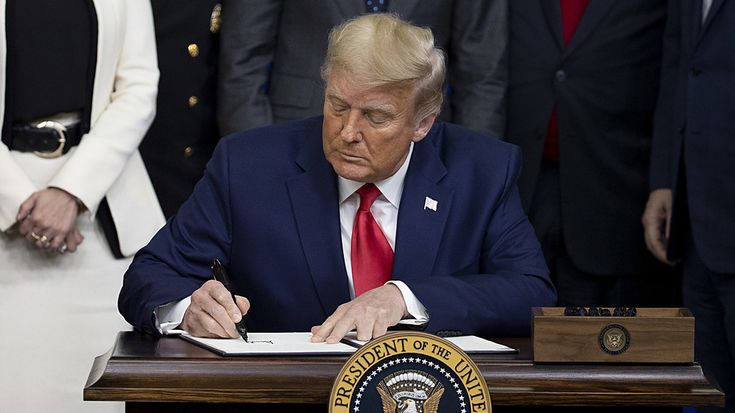
President Donald Trump reiterated his controversial aim to acquire Greenland, claiming it is essential to block Russian or Chinese influence in the Arctic — asserting the U.S. will act “whether they like it or not.”
Details:
In discussions with oil and gas executives at the White House, Trump framed full control over Greenland as a national security priority. The proposal includes both diplomatic and potential forceful options — reigniting global debate. European leaders, especially from Denmark and Greenland, strongly oppose this plan citing sovereignty and NATO stability concerns.
Implications:
If pursued, this move could strain U.S.–Europe relations and challenge longstanding diplomatic norms. NATO allies have warned that forced acquisition risks undermining alliance cohesion. Domestically, it sparks debate on America’s role in global geopolitics versus traditional security cooperation.
2. Protests in Iran and U.S. Warnings of Possible Intervention
Overview:
Mass unrest continues across Iran, with at least 65 deaths reported. U.S. officials, including President Trump and Secretary of State Rubio, have expressed support for protesters while warning Tehran about severe consequences if crackdowns intensify.
Details:
Iranian authorities have cut off internet and communications, broadly labeling protesters as “enemies of God.” The U.S. has threatened unspecified military action if civilians are harmed, underscoring the tense relationship.
Implications:
This standoff places the U.S. on a more confrontational course with Tehran. Analysts warn that escalation — even symbolic — could heighten broader Middle East tensions and complicate diplomatic avenues. Additionally, humanitarian concerns grow as security forces intensify actions.
3. Increased U.S. Seizures of Oil Tankers Impact Cuba’s Economy
Overview:
Cuba is reeling from economic aftershocks as the U.S. increases seizures of oil tankers linked to Venezuela. These actions heighten pressure on Cuba’s already strained economy.
Details:
These U.S. maritime enforcement actions have significant ripple effects, disrupting energy flows essential to Cuba’s industries and households. The situation adds economic strain amid broader geopolitical tensions in the Caribbean.
Implications:
Cuba faces deeper economic contraction and potential social unrest as fuel shortages intensify. For Washington, these moves underline a hard-line strategy toward allies of adversarial governments, signaling a tougher regional posture.
4. U.S. Civil Rights Division Declines Involvement in ICE Shooting Case
Overview:
The U.S. Department of Justice’s Civil Rights Division will not investigate the shooting death of Renee Good by ICE agents in Minneapolis, according to reports.
Details:
This decision has raised criticism from civil rights advocates, who argue that the agency should pursue accountability in law-enforcement-related fatalities. The case underscores ongoing national debates over the scope and role of federal civil rights enforcement.
Implications:
The move may affect public trust in federal oversight mechanisms and could lead to heightened scrutiny from advocacy groups and lawmakers on both sides of the aisle.
5. U.S. Prepares to Charge Nicolás Maduro Following Capture
Overview:
Former Venezuelan President Nicolás Maduro and his wife have been brought to New York to face formal charges, including narco-terrorism, after a high-risk U.S. operation.
Details:
Maduro’s capture has drawn international condemnation over legality concerns, triggering debate at the United Nations and tension with global powers like China and Russia.
Implications:
This legal and geopolitical development may redefine U.S.–Latin America relations and highlight the U.S. willingness to take unconventional actions against foreign leaders accused of major crimes.
6. Trump Calls to Cap Credit Card Interest Rates at 10%
Overview:
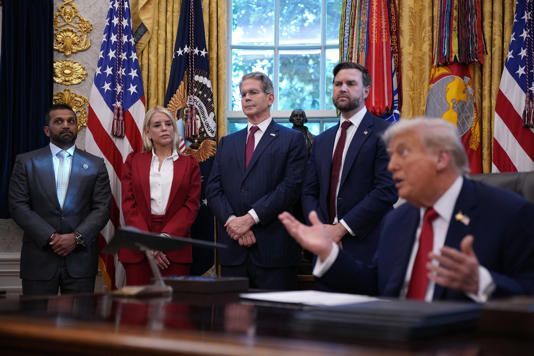
President Trump publicly urged a one-year cap on credit card interest rates at 10% to protect consumers, though details and legislative backing remain unclear.
Details:
Neither a specific bill nor enforcement mechanism was presented. Bipartisan lawmakers have previously debated similar measures, emphasizing financial fairness and consumer protection.
7. U.S. Focus on Healthcare and Budget Reforms Through “Big, Beautiful Bill”
Overview:
Major provisions of the “Big, Beautiful Bill” enacted in 2025 will begin reshaping U.S. healthcare, with effects in 2026.
Details:
Key changes include expanded coverage criteria, subsidy shifts, and incentives aimed at improving care access — though specifics vary by demographic.
Implications:
These reforms will influence millions of Americans, carrying implications for insurance markets, federal outlays, and public health outcomes.
8. Debates on Trump’s Midterm Strategy and Balancing Domestic Policy
Overview:
As 2026 unfolds, the Trump administration is walking a tightrope between aggressive foreign policy initiatives and domestic affordability messaging ahead of midterm elections.
Details:
Polls show public concern that foreign entanglements may dilute domestic economic progress messaging — challenging GOP strategists balancing global assertiveness with voter priorities.
Implications:
Strategic emphasis on economic issues could be pivotal for congressional races, influencing both parties’ campaigning and policy focus.
9. Congressional and Legal Debates on Political Violence Trends
Overview:
Ongoing research into U.S. political violence indicates heightened incidents in recent years, continuing debates on security, free speech, and national cohesion.
Details:
Studies show political violence spikes — including threats against officials and violent acts — reminiscent of broader historical tensions.
Implications:
These trends prompt discussions on law enforcement, political rhetoric, and strategies to safeguard public officials and civic processes.
10. Industrial Expansion: Heidelberg USA Relocates Major Facility to Georgia
Overview:
Heidelberg USA announced relocation of its Print Media Center Americas to Marietta, Georgia with modern production and training facilities.
Details:
The investment underscores manufacturing and workforce development priorities in the Southeastern U.S.
Implications:
This will create jobs, strengthen local economic ecosystems, and signal confidence in U.S. industrial capacity.
11. Severe Weather Alerts and Infrastructure Readiness
Overview:
National weather services have issued warnings for winter storm disruptions across central and eastern U.S. regions.
Details:
Preparation includes mobilizing storm response, transportation advisories, and community safety measures.
Implications:
Widespread weather impacts may affect travel, utilities, and emergency services, emphasizing climate resilience needs.
12. U.S. Sports & Athletics: Track Championships and Youth Sports News
Overview:
The 2025 USATF New York Open & Masters Outdoor Championships showcases emerging and veteran talent.
Details:
The event continues to elevate athletics and community sports engagement nationwide.
Implications:
Sporting milestones contribute to national morale and athletic development infrastructure.
13. U.S. Ice Hockey Youth Team Results and International Sports Engagement
Overview:
The U.S. U20 Ice Hockey team competes internationally, maintaining strong performance metrics.
Details:
Scores and rankings reflect ongoing investment in youth sports.
Implications:
International sports achievements boost national visibility and young athlete development.
14. Ongoing Climate Change Impacts Across U.S. Regions
Overview:
The U.S. continues experiencing climate change effects like heat trends, extreme weather risks, and ecological shifts.
Details:
Record temperatures, disaster frequency, and policy debates drive climate action urgency, affecting agriculture, insurance, and infrastructure.
Implications:
Long-term policy, economic, and community resilience planning remains critical at federal and state levels.
15. Broader Economic Trends and Market Indicators

Overview:
Wall Street performance shows mixed signals tied to labor data, corporate shifts, and macroeconomic trends.
Details:
Equity indices fluctuate with tech gains, bond yields, and sector rotations shaping investor outlooks.
Implications:
These trends influence retirement portfolios, corporate investment strategies, and federal economic policy debates.
About the Author