U.S.-Backed Ukraine Peace Push Intensifies

The United States is actively pressing Russia and Ukraine to clinch a cease-fire and end the war before summer. U.S. diplomats brokered several days of talks in Abu Dhabi and proposed further negotiations in Miami, which Ukraine has accepted. While no breakthrough has emerged yet, prisoner exchanges resumed, with 157 prisoners recently swapped under U.S. oversight. Washington also urged a new cease-fire focused on protecting energy infrastructure, a key humanitarian priority amid winter hardships. Ukraine has shown openness to certain ceasefire terms, but Moscow has not agreed, particularly on halting attacks on energy targets. Broader discussions include post-war reconstruction efforts and security guarantee frameworks. Territorial disputes, especially around Donetsk, remain sensitive points. The U.S. is also advocating for economic cooperation initiatives post-conflict, though these are met with skepticism in Kyiv. This diplomatic push reflects Washington’s broader strategy to stabilize Europe and limit further humanitarian fallout from ongoing hostilities in Ukraine.
U.S. Removes Additional Tariffs on Indian Imports
The United States announced the removal of a 25 percent tariff on Indian goods effective February 7, 2026, after New Delhi agreed to stop direct or indirect imports of Russian oil. This policy shift reflects a significant realignment in trade strategy tied to national security and geopolitical considerations. The Executive Order issued by the White House reverses earlier levies imposed in response to concerns over India’s engagement with Russian energy. Alongside tariff removal, the framework promotes expanded defense cooperation between the U.S. and India over the next decade and broader commercial engagement, including increased U.S. energy exports.
Thank you for reading this post, don't forget to subscribe!The tariff elimination is contingent on India maintaining its commitment to stop Russian oil imports; authorities warned tariffs could be reimposed if the policy changes. The move is expected to bolster bilateral trade and support economic ties, particularly for U.S. exporters seeking access to one of the fastest-growing global markets. This represents a notable moment in U.S.–India economic diplomacy, balancing strategic and commercial objectives in a shifting global energy landscape.
Partial Federal Government Shutdown Ends After Funding Deal
The United States narrowly averted an extended federal government shutdown as Congress approved a funding package on January 30, ending a shutdown that began January 31 and lasted until February 3, 2026. The legislative impasse occurred because lawmakers initially failed to pass appropriations bills ahead of deadlines, particularly for the Department of Homeland Security (DHS). The budget stalemate stemmed from political disagreements, including fallout over Customs and Border Protection incidents that had complicated DHS appropriations. The eventual compromise included six appropriations bills and a short-term continuing resolution for DHS, enabling federal operations to resume.
Federal agencies deemed “essential” continued operations throughout the shutdown, but many non-critical services were paused, and federal employees were furloughed. The resolution highlighted ongoing challenges in U.S. governance and the continuing impact of partisan divides on budgetary negotiations. While the short-term funding deal ended the immediate crisis, longer-term budget stability remains uncertain and subject to further congressional negotiation.
Mortgage and Refinance Rates Dip, Impacting Housing Market
Mortgage rates in the U.S. showed a modest decline on February 7, 2026, providing a slight reprieve to the housing market. The average 30-year fixed mortgage rate fell to approximately 5.95 percent, down from earlier peaks above 6 percent this week. Shorter-term and adjustable-rate mortgage products also fluctuated but remained favorable for borrowers. Additionally, refinance rates edged down, making refinancing more attractive for some homeowners seeking to reduce monthly payments or shorten loan terms.
These rate movements come amid ongoing Federal Reserve policy and market responses to economic data that have shaped interest-rate expectations. Lower mortgage costs can stimulate housing demand, improve affordability, and encourage existing homeowners to refinance, although individual lender offers vary and depend on credit profiles and loan conditions. Real estate analysts caution that while the drop is welcome, broader economic issues — including inflation dynamics and labor market conditions — will continue to influence U.S. housing trends.
Tourism Slump Hits Major U.S. Cities Ahead of 2026 World Cup

Several major U.S. cities, including Miami, New York, Los Angeles, San Francisco, and Chicago, are experiencing a downturn in European visitor flows ahead of the 2026 FIFA World Cup. Tourism industry sources point to reduced arrivals from key markets such as London, Paris, Berlin, Rome, and other European capitals, affecting hotel occupancy, hospitality revenue, and local tourism ecosystems. This slowdown could have broader impacts on city economies that rely heavily on international travel. Experts suggest that shifting travel patterns, economic conditions in Europe, and competition from other global destinations may contribute to the decline.
While domestic travel remains robust, the drop in European tourism raises concerns about missed revenue opportunities during a year with multiple major sporting events, including the FIFA World Cup and Winter Olympics. Local authorities and tourism boards are exploring promotional campaigns and incentive measures to attract international visitors and mitigate these trends.
High-Profile Kidnapping Case Draws National Attention
A high-profile missing person case has captured national media attention: the elderly mother of journalist Savannah Guthrie, Nancy Guthrie, is believed to have been kidnapped from her home. Law enforcement sources report a ransom letter was discovered, and family members are appealing for safe return, while negotiation strategies are being deployed by experienced crisis teams. This development has intensified public concern, particularly because it involves a prominent media figure’s family. Authorities emphasize that kidnapping investigations require careful handling to balance public transparency with tactical negotiation and safety.
Federal and local agencies are reportedly coordinating efforts, using surveillance, forensic analysis, and community tips to track leads. The case has also prompted renewed public discussion on crime prevention, elderly safety, and investigative protocols, especially in cases that gain widespread attention. While updates continue to emerge, law enforcement remains cautious in revealing operational details for tactical reasons.
U.S. Olympic Teams Compete at Winter Games in Milan-Cortina
U.S. athletes are actively competing at the 2026 Winter Olympics in Milan and Cortina d’Ampezzo, Italy. One highlight is the U.S. women’s ice hockey team’s matchup against Finland, where the Americans entered with strong momentum following an impressive opening victory. The Winter Olympics opened with a vibrant ceremony blending sport and culture, drawing global attention and shifting focus to competition narratives. Additionally, Team USA has fielded one of its strongest figure skating contingents in recent memory, with reigning world champions representing multiple disciplines.
The team’s depth and performance strategy aim to maximize medal prospects in both individual and team events. Olympic coverage continues to energize audiences back home, especially as U.S. athletes push for podium finishes across skiing, skating, hockey, and more. The intersection of star power, athletic excellence, and international camaraderie underscores a major cultural moment for American sports on the global stage.
Super Bowl LX Weekend Dominates U.S. Sports Headlines
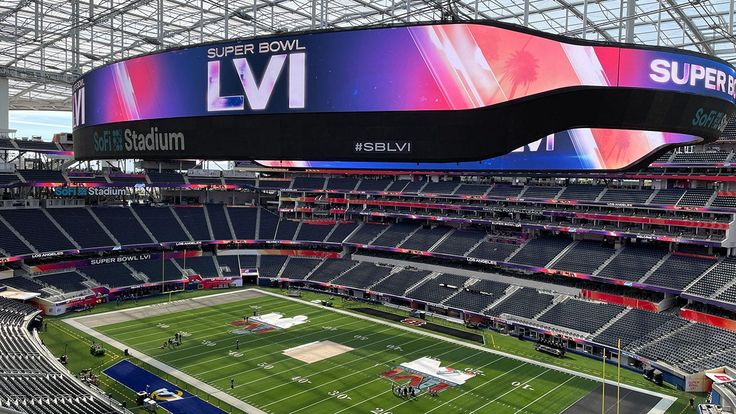
February 7 marks a pivotal day in the U.S. sports calendar, with Super Bowl LX scheduled for the coming Sunday. The National Football League’s championship event has generated intense media coverage, fan engagement, and economic activity in the host region. Cities across the U.S. spotlight expanded sports lineups incorporating college basketball, NBA games, baseball exhibitions, PGA events, and more, creating a festival-like atmosphere for fans and tourists. In the Bay Area, sports enthusiasts can follow a range of competitions, from men’s and women’s basketball matchups to Olympic events in alpine and ice disciplines.
The Super Bowl weekend also features cultural tie-ins, halftime entertainment teasers, and elevated media broadcasts drawing record audiences. This concentration of sporting events underscores the cultural significance of athletic competition in American society and its influence on national attention, media revenue, and local economies.
U.S. Farm, Trade and Made-in-America Agenda Strengthened through Indo-U.S. Pact
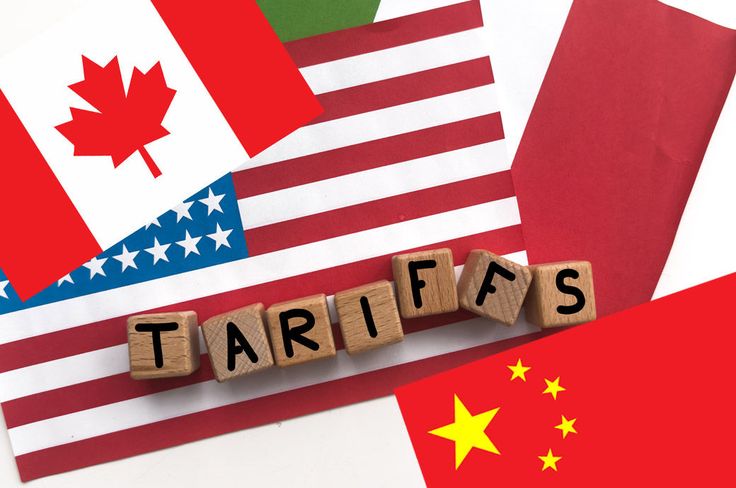
U.S. officials have highlighted a new trade pact with India that will open expanded market access for American manufactured and agricultural goods. The interim agreement reportedly includes commitments to lower tariffs on U.S. products and reduce non-tariff barriers, while India gains reciprocal market openings in sectors such as textiles, organic chemicals, and machinery. White House trade representatives have positioned the deal as a boost for American farmers, small businesses, and exporters — part of a broader economic strategy to diversify global market engagement.
The pact also aligns with efforts to reinforce strategic ties with India through defense cooperation frameworks. Domestic advocates of the deal emphasize potential job creation and export growth, especially for rural and manufacturing communities. Critics, however, urge careful evaluation of competitive impacts and long-term regulatory commitments. The ongoing policy dialogue reflects evolving U.S. trade priorities amid geopolitical shifts and global economic competition.
U.S. Political Climate: Polarizing Rhetoric and Presidential Actions
In the American political sphere, contentious discourse continues to shape national headlines. Public debate surrounds presidential social media conduct and politically charged communications that critics label as racially insensitive. These discussions intersect with broader narratives about national governance, electoral strategy, and public division ahead of the 2026 midterm elections. Commentary from civic groups and analysts highlights concerns about leadership tone, democratic norms, and institutional trust. These domestic political developments coexist with policy debates on immigration enforcement, energy policy, fiscal governance, and international relations.
As election season approaches, political actors and voters alike are interpreting recent rhetoric within larger contexts of partisanship and national identity. While elected officials frame their communications as strategic or ideological, critics argue for more constructive engagement on policy priorities such as economic stability, health care, and public safety. The political climate remains a defining backdrop to contemporary U.S. news.
U.S. Housing Market Favored by Falling Mortgage Rates
In financial markets, the U.S. mortgage landscape is responding to slightly lower interest rates, with several lenders offering 30-year fixed-rate mortgages below the 6 percent mark. This shift, driven by market conditions and investor expectations, has implications for housing affordability, refinancing decisions, and consumer sentiment. Lower rates can make homeownership more accessible for first-time buyers and support existing homeowners seeking to reduce monthly payments or accelerate mortgage payoff. However, industry analysts caution that broader economic conditions — including inflation trends, construction costs, and labor market dynamics — will continue influencing housing demand and supply. Prospective buyers are advised to monitor rate developments, lender criteria, and broader market signals as they navigate purchasing or refinancing decisions.
U.S. Cultural Moments: Olympics and Celebrity Spotlight
American media outlets are spotlighting cultural intersections between sports and entertainment, notably the Winter Olympics opening ceremony featuring high-profile performances and celebrity appearances. Stars like Mariah Carey added glamour to the global event, enhancing coverage that blends athletic achievement with cultural spectacle. Other American celebrities have surfaced in public engagements tied to finance, sports events, and television festivals. These moments underscore how U.S. popular culture continues to influence global attention, extending beyond politics and economics to human-interest narratives. Coverage reflects both the celebratory and aspirational aspects of American cultural influence on the world stage.
Lottery and Popular Gaming Trends Capture Public Interest

The Powerball lottery continues to attract widespread attention across the United States, with the February 7, 2026 jackpot estimated at over $102 million. Millions of Americans participate in weekly draws, and record-high jackpots often generate heightened media coverage and public discourse about odds, taxation, and spending habits related to lottery play. While gambling remains regulated at the state level, lottery participation consistently ranks among the most popular forms of mass-appeal gaming in the country. The convergence of chance, consumer behavior, and economic aspiration continues to shape the cultural landscape around lotteries.
U.S. Diplomatic and Strategic Posture Shifts in Global Institutions
The United States is reshaping its engagement with international organizations as part of broader foreign policy priorities. Recent directives signaled steps toward withdrawing from certain United Nations agencies deemed contrary to U.S. interests, including UNESCO. This realignment reflects strategic recalibrations aimed at focusing resources and diplomatic efforts in ways that align with national policy goals. Such decisions often generate debate among allies and within global governance circles about multilateralism, influence, and collaborative problem-solving on issues like climate change, education, and cultural exchange. The U.S. approach has implications for international partnerships and the future architecture of multilateral cooperation.
Broader U.S. News Context: Domestic and Global Perspectives
Beyond headline items, the United States remains engaged in a range of domestic and global developments — including ongoing public policy debates on immigration, climate challenges amplified by recent severe winter weather, economic indicators informing inflation and labor markets, and cultural observances such as Black History Month. These background dynamics influence daily discourse and public priorities, shaping how Americans perceive policy effectiveness, social cohesion, and international leadership. Contemporary narratives continue to blend political, economic, and social threads as the nation navigates complex challenges in early 2026.
About the Author