
1. Global Supply and Demand Equilibrium
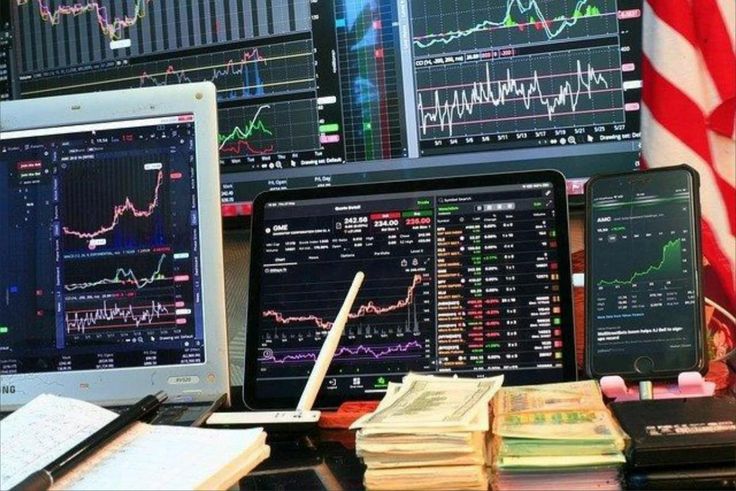
Global supply and demand forces primarily influence the U.S. commodity market. When supply exceeds demand—such as record oil output or bumper harvests—prices decline as markets become oversaturated. Conversely, disruptions like OPEC’s production cuts, droughts, or trade bottlenecks reduce supply, tightening the market and pushing prices upward. These dynamics are most evident in energy, metals, and agriculture sectors, where even small imbalances can cause significant price volatility. Analysts monitor reports from agencies like the U.S. Energy Information Administration (EIA) and the USDA to predict future trends. Because commodities are globally traded, an event in one country can instantly impact U.S. prices. This constant interplay creates both risks and opportunities for investors and producers who depend on understanding demand cycles, weather conditions, and economic indicators to anticipate market movements effectively.
2. Influence of Industrial Growth in Emerging Economies
Rapid industrialization in emerging markets like China and India has dramatically shaped U.S. commodity demand. As these countries expand their manufacturing, construction, and energy sectors, they import massive quantities of raw materials—such as copper, crude oil, soybeans, and coal. This external demand directly affects U.S. export prices and production strategies. For instance, China’s infrastructure growth drives the global copper market, while India’s energy needs influence oil and gas exports. When industrial activity in these economies slows, demand softens, leading to declining prices in the U.S. market. Conversely, periods of robust global expansion stimulate price surges.
Traders constantly monitor global purchasing managers’ indices (PMI) and industrial output reports from emerging markets to anticipate shifts. The interdependence of U.S. commodities and developing economies underscores the globalization of demand as a primary driver of market performance.
3. Seasonal and Climatic Effects
Seasonal changes and climate conditions play an essential role in determining U.S. commodity prices. During winter, demand for heating oil, natural gas, and electricity surges, while summer months see spikes in gasoline and air-conditioning-related energy consumption. Similarly, agricultural commodities are directly affected by weather conditions. Droughts in the Midwest reduce corn and soybean yields, while favorable rainfall increases supply and stabilizes prices. Climate-related disasters—like hurricanes in the Gulf of Mexico—can disrupt oil refineries and logistic networks, triggering temporary supply shortages. The growing impact of climate change has intensified these seasonal fluctuations, leading to unpredictable patterns.
Traders now rely on advanced climate modeling, satellite data, and AI-based forecasts to manage risk. These weather-dependent cycles ensure that even short-term forecasts remain vital in understanding commodity price volatility across seasons.
4. U.S. Dollar Strength and Exchange Rate Dynamics
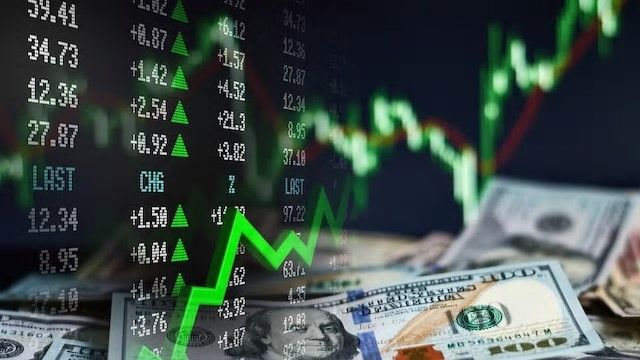
Since most global commodities are priced in U.S. dollars, fluctuations in the currency’s value significantly affect prices. A strong dollar makes commodities more expensive for foreign buyers, reducing global demand and often depressing prices. Conversely, a weaker dollar enhances the competitiveness of U.S. exports, pushing prices higher. The dollar’s movement is driven by interest rate policies, inflation expectations, and global capital flows. When investors perceive the dollar as a safe haven—during crises or Federal Reserve tightening cycles—commodity prices tend to fall.
On the other hand, when confidence shifts to riskier assets, the dollar weakens and commodities rally. The U.S. Dollar Index (DXY) is a vital indicator for traders, serving as a leading signal of price direction. Understanding currency trends is crucial for anticipating global commodity market behavior.
5. Federal Reserve Policy and Interest Rates
The Federal Reserve’s monetary policy decisions have far-reaching consequences on commodity markets. When interest rates rise, borrowing costs increase, slowing business activity, construction, and consumer demand—ultimately reducing the need for commodities. Higher rates also strengthen the dollar, further pressuring prices. In contrast, when the Fed adopts an accommodative stance with lower rates, liquidity expands, economic growth accelerates, and commodities—especially gold and oil—tend to rise. Investors view commodities as a hedge against monetary expansion and inflationary risk. Market participants analyze every Federal Open Market Committee (FOMC) statement for clues about future rate directions.
Historical data show that major commodity bull runs often coincide with low-interest or stimulus-driven environments, while tightening cycles frequently lead to corrections or prolonged bearish phases.
6. Inflation and Its Dual Impact
Inflation affects the commodity market in complex ways. On one hand, rising inflation increases demand for tangible assets like gold, silver, and crude oil, which act as hedges against currency depreciation. This fuels speculative buying and pushes prices upward. On the other hand, high inflation can erode consumer purchasing power, lowering demand for food, energy, and discretionary commodities. The U.S. Consumer Price Index (CPI) and Producer Price Index (PPI) are key metrics traders track for inflation trends. Periods of sustained inflation—such as during the 1970s or post-pandemic years—often result in long-lasting commodity rallies. Conversely, low-inflation environments tend to suppress prices.
Therefore, inflation expectations, rather than actual inflation rates, often drive investor sentiment and price trajectories in the commodity space.
7. Geopolitical Conflicts and Sanctions
Wars, sanctions, and political instability can instantly shake commodity markets. Conflicts like the Russia–Ukraine war disrupted global supplies of oil, gas, and grain, causing sharp price spikes. Similarly, sanctions on countries such as Iran and Venezuela reduced the global oil supply, increasing energy costs. Political crises in resource-rich regions—like the Middle East or Africa—create uncertainty, leading investors to price in potential shortages. Even perceived threats of conflict can boost safe-haven commodities like gold and silver. Conversely, diplomatic agreements or ceasefires often trigger corrections as supply fears ease.
The speed at which markets react to geopolitical developments underscores their sensitivity to news. Traders frequently rely on geopolitical risk indices and real-time analytics to anticipate market reactions to unfolding global events.
8. Technological Advancements in Production

Technology has revolutionized the U.S. commodity landscape. The shale oil revolution, driven by hydraulic fracturing and horizontal drilling, doubled U.S. oil output in a decade and reduced global prices by increasing supply. Similarly, innovations in precision agriculture—like satellite-guided machinery, drones, and AI-based yield monitoring—boost farming efficiency and stabilize prices. Biotechnology has enhanced crop resistance to pests and climate stress. Meanwhile, renewable energy and electric vehicle technologies have created new demand for metals like lithium and copper. Technological progress thus acts as both a supply booster and a demand generator, depending on the sector. Continuous R&D investments ensure the U.S. remains a leader in commodity innovation, while also reshaping which resources will dominate the next economic era.
9. Speculative and Algorithmic Trading
Speculation and high-frequency algorithmic trading significantly amplify short-term volatility in commodity markets. Institutional investors, hedge funds, and quantitative trading systems enter and exit positions rapidly, reacting to global news, inflation reports, or price momentum. These trades often magnify market movements, creating sharp price surges or collapses that temporarily deviate from fundamentals. Speculative activity increases liquidity but can distort market balance. For instance, sudden buying pressure in oil futures or short squeezes in metals can trigger chain reactions. Algorithmic systems, using AI and real-time data, execute thousands of trades per second, compounding volatility. Modern traders must therefore understand technical indicators, momentum signals, and market psychology alongside traditional fundamentals to navigate these fast-moving conditions effectively.
10. Global Trade Relations and Tariffs
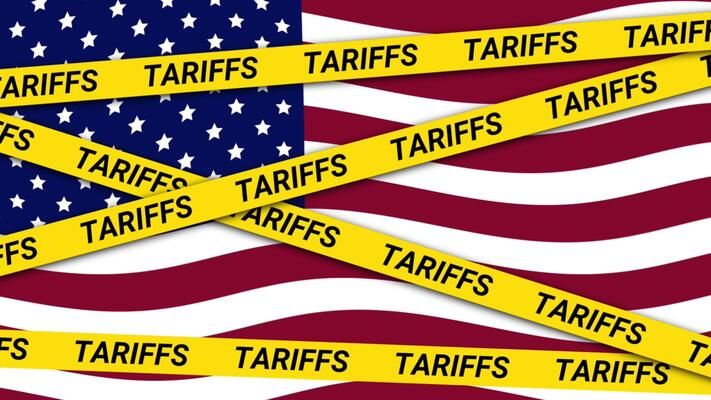
Trade policies and diplomatic relationships play a critical role in shaping U.S. commodity exports. Stable agreements like the USMCA with Canada and Mexico ensure predictable export routes for energy and agricultural products. However, trade wars—such as U.S.–China tariff conflicts—can severely disrupt demand. Tariffs on agricultural goods or metals often lead to retaliatory restrictions, reducing export volumes and depressing domestic prices. Conversely, new agreements or eased restrictions boost trade flows and support market stability.
The World Trade Organization (WTO) and other frameworks promote predictable global trade, but political shifts can rapidly alter conditions. Because the U.S. is one of the largest exporters of food, energy, and industrial materials, its commodity markets remain highly sensitive to changes in trade policy and diplomatic relations.
11. Environmental Policies and Energy Transition
The global shift toward clean energy is transforming commodity demand structures. Stricter U.S. environmental regulations increase fossil fuel production costs, while renewable incentives boost demand for green resources. Policies promoting electric vehicles and solar energy have intensified the need for lithium, nickel, and rare earth metals. Conversely, long-term decarbonization efforts reduce oil and coal demand. The intersection between climate goals and economic growth defines future price trends. Companies investing early in sustainable resources gain a strategic edge, while traditional energy producers face rising compliance costs. Investors now integrate Environmental, Social, and Governance (ESG) factors into decision-making, influencing where capital flows in commodity markets.
12. Employment and Industrial Output Indicators
U.S. employment and industrial output data are vital economic barometers influencing commodity demand. Strong job growth signals expanding manufacturing and consumer activity, increasing energy and raw material consumption. Conversely, declining employment or industrial contraction indicates slowing demand, pressuring prices downward. Construction booms lift demand for metals like steel and copper, while manufacturing slowdowns reduce it. The Non-Farm Payrolls (NFP) report and the ISM Manufacturing Index are key data sources traders monitor monthly. Because industrial sectors drive most commodity consumption, these metrics offer early warning signals about market direction, enabling investors to anticipate price cycles tied to economic health.
13. Inflation Expectations and Investment Sentiment
Beyond measured inflation, market expectations themselves shape commodity movements. When investors believe inflation will rise, they increase holdings in commodities like gold or oil as protective assets. Conversely, when inflation fears subside, funds flow toward equities and bonds, reducing commodity demand. Market sentiment thus becomes a self-fulfilling driver of prices. Futures market positioning data, such as the Commitment of Traders (COT) report, helps analysts gauge speculative bias. During uncertain times, even rumors or preliminary data can move markets as participants preempt official inflation outcomes. Managing sentiment risk has become essential for both traders and policymakers.
14. Inventory Reports and Supply Chain Transparency
Inventory levels reflect real-time supply-demand balance. U.S. government and private sector reports—like the EIA’s weekly crude oil stocks or USDA grain inventories—directly affect prices. Rising stockpiles suggest oversupply, leading to lower prices, while shrinking inventories imply scarcity and push prices up. The COVID-19 pandemic revealed how fragile supply chains could drastically alter inventories, causing abrupt shortages or surpluses. Modern analytics and satellite monitoring provide better visibility, yet logistical disruptions still introduce uncertainty. Because commodities rely on physical storage and transport, inventory fluctuations remain a core component of price forecasting and risk assessment.
15. Market Psychology and Volatility Cycles
Finally, psychological and behavioral factors play a profound role in commodity price swings. Fear of recession, optimism about growth, or media-driven narratives often cause prices to deviate temporarily from fundamentals. During global crises, investors rush to safe-haven assets like gold; in recovery periods, riskier commodities such as oil and copper outperform. Today’s digital news cycle, amplified by social media, accelerates sentiment shifts and trading reactions. Combined with algorithmic trading, these sentiment waves produce short but intense volatility cycles. Successful investors balance psychological awareness with data-driven analysis to manage risk effectively in the ever-evolving U.S. commodity landscape.