
1. Importance of Hydration in Ayurvedic Kidney Care
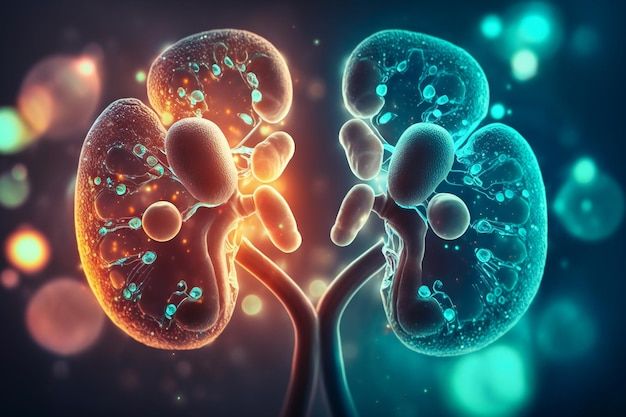
Ayurveda emphasizes that hydration is the cornerstone of kidney health. Adequate fluid intake dissolves existing stones and prevents new ones by flushing toxins, known as ama, from the urinary tract. Drinking warm water instead of cold supports digestion (agni) and maintains open urinary channels (srotas), reducing blockages and discomfort. A daily intake of 2.5–3 liters of water ensures smooth urine flow and minimizes the risk of stone formation. Warm water helps the kidneys filter efficiently and clears minor crystals before they solidify into stones. To enhance its effect, Ayurveda recommends adding a few drops of lemon juice, rich in citric acid, which helps dissolve calcium oxalate—the primary cause of most kidney stones. Regular hydration also prevents bloating, reduces urinary irritation, and supports optimal kidney detoxification, keeping the urinary system balanced and healthy over the long term.
2. Warm Water Therapy and Digestive Fire (Agni)
According to Ayurveda, the temperature of water you consume influences your internal metabolism and kidney performance. Warm water stimulates Agni—the digestive fire responsible for breaking down food and eliminating toxins. When the body’s Agni is strong, metabolic waste (ama) is effectively removed through the kidneys and urinary tract. This continuous cleansing reduces the likelihood of stone formation. Moreover, warm water prevents stagnation in urinary channels, ensuring an unblocked, healthy flow. Unlike cold water, which slows digestion and constricts channels, warm water promotes consistent detoxification. Ayurvedic practitioners advise sipping warm water every two hours rather than drinking large amounts at once.
This gradual intake keeps hydration constant without straining kidney function. Over time, warm water therapy enhances internal balance, supports metabolism, and ensures a natural defense against mineral accumulation and urinary discomforts.
3. Role of Lemon Juice and Citric Acid in Stone Prevention
Lemon juice is widely respected in Ayurvedic and modern natural medicine for its high citric acid content, which acts as a natural lithotriptic—a stone-dissolving agent. Citric acid binds with calcium in the urine, reducing calcium oxalate crystallization, the main culprit behind kidney stones. Drinking lemon water daily helps maintain a slightly alkaline urinary environment, discouraging new stone formation. Ayurveda recommends mixing two tablespoons of freshly squeezed lemon juice in warm water, ideally consumed on an empty stomach. This simple remedy enhances urinary flow and supports liver and digestive function. Regular use gradually breaks down existing stones into smaller fragments, making them easier to pass naturally.
Additionally, lemon’s vitamin C and antioxidant properties help protect kidney tissue from oxidative stress. Combining lemon juice with warm water amplifies detoxification, making this one of Ayurveda’s most practical preventive strategies for kidney wellness.
4. Ayurvedic Benefits of Coriander and Barley Water
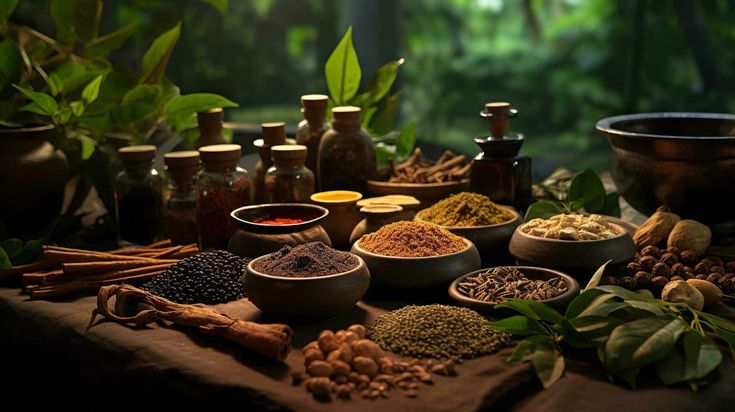
Herbal decoctions like coriander and barley water are classical Ayurvedic remedies for kidney cleansing. Coriander seeds possess cooling, anti-inflammatory, and diuretic properties that relieve urinary irritation and promote toxin elimination. Barley (Yava), on the other hand, is known for its alkalizing and mutrala (diuretic) action, helping to flush excess salts and small stones from the urinary tract. Boiling one tablespoon of barley in four cups of water and consuming it warm twice daily can significantly improve urinary health.
Ayurveda also values barley for balancing Pitta dosha, which governs heat and metabolism—often linked to stone formation when aggravated. Coriander-barley water thus supports both detoxification and hydration while gently restoring electrolyte balance. Regular consumption cools the urinary system, soothes inflammation, and assists in dissolving minor stone deposits naturally, offering a mild yet effective daily kidney care practice.
5. Punarnava (Boerhaavia diffusa) – The Renal Rejuvenator
Punarnava, meaning “the one that rejuvenates,” is a premier Ayurvedic herb for urinary and kidney health. Its diuretic and anti-inflammatory properties increase urine output, aiding the expulsion of toxins and small stones. Punarnava also helps reduce swelling, burning, and irritation in the urinary tract. Regular use of Punarnava decoction cleanses the urinary channels, regenerates kidney cells, and restores electrolyte balance. Modern research confirms its ability to improve renal filtration and protect against oxidative stress. Ayurvedic doctors often recommend Punarnava in powder (churna), tablet, or decoction form.
When combined with herbs like Gokshura and Varuna, its cleansing effects are amplified. It prevents stone recurrence and supports long-term kidney vitality. Punarnava embodies Ayurveda’s holistic principle—cleansing, rejuvenation, and protection—making it indispensable in the natural management of kidney stones.
6. Gokshura (Tribulus terrestris) – The Urinary System Tonic
Gokshura is a time-honored Ayurvedic herb known for strengthening the urinary and reproductive systems. Its diuretic and anti-spasmodic actions promote smooth urine flow, easing the passage of stones. Gokshura reduces inflammation and burning sensations often associated with kidney stones, providing natural relief. It also revitalizes kidney tissue and supports overall renal function. Ayurvedic practitioners classify it as a Mutravirechaniya herb—one that purifies and regulates urinary output. Regular intake of Gokshura powder mixed with honey or as a herbal capsule enhances kidney endurance and reduces the recurrence of stones.
7. Varuna (Crataeva nurvala) – The Stone-Breaking Bark Therapy
Varuna bark has been celebrated in classical Ayurveda for its potent lithotriptic (stone-dissolving) action. Rich in alkaloids and flavonoids, Varuna works to disintegrate mineral deposits and facilitate their passage through the urinary system. Its bioactive compounds stimulate kidney filtration and increase urine flow, easing pain caused by stones. Additionally, Varuna possesses anti-inflammatory and antimicrobial properties that prevent infections often associated with stone obstruction. Used as a decoction or capsule, it supports bladder cleansing and enhances kidney strength. Ayurvedic physicians frequently combine Varuna with Gokshura and Punarnava for greater therapeutic efficiency.
This tri-herbal combination balances Vata, Pitta, and Kapha doshas—ensuring harmony within the urinary system. For best results, Varuna therapy should be administered under expert supervision, where dosage and duration are tailored to individual constitution (Prakriti). This ensures safe and effective natural management of urinary stones.
8. Lemon and Olive Oil Combination for Smooth Stone Passage

The combination of lemon juice and olive oil represents a simple yet powerful Ayurvedic-inspired remedy for kidney stones. Lemon’s citric acid breaks down calcium oxalate crystals, while olive oil provides a lubricating effect that helps small stones pass smoothly. A common preparation involves mixing one tablespoon of high-quality olive oil with two tablespoons of freshly squeezed lemon juice, followed by a glass of warm water. Consumed daily for three to five days, this mixture eases the movement of small to medium stones through the urinary tract.
It also soothes inflammation and alleviates discomfort during passage. Ayurveda supports this practice as a natural adjunct to hydration and dietary regulation. However, it should not replace professional treatment for large stones. When used responsibly, this remedy offers an effective, gentle aid in stone expulsion and urinary tract lubrication.
9. Pashanbhed (Bergenia ligulata) – The True “Stone Breaker”
Pashanbhed, literally meaning “the one that breaks stones,” is among the most revered herbs in Ayurveda for kidney and urinary tract disorders. It contains bioactive compounds like tannins and flavonoids that dissolve stones and prevent crystal aggregation. Regular intake of Pashanbhed powder (about one teaspoon daily with water or honey) helps disintegrate stones into smaller fragments for easy elimination. Its anti-inflammatory and antimicrobial actions soothe urinary tract irritation and reduce infection risk. Pashanbhed also supports kidney rejuvenation by protecting tissues from oxidative stress.
Ayurvedic formulations often pair it with Gokshura and Varuna to enhance its detoxifying and restorative effects. Scientifically validated for its lithotriptic potential, Pashanbhed offers a safe, non-invasive alternative for stone management. Long-term use under professional guidance maintains urinary tract integrity and prevents recurrence, embodying Ayurveda’s preventive and restorative philosophy.
10. Tulsi (Holy Basil) for Detoxification and Urinary Balance
Tulsi, or Holy Basil, is highly valued in Ayurveda for its purifying and healing attributes. Its acetic acid and essential oils help dissolve kidney stones while promoting toxin elimination through urine. Drinking one teaspoon of fresh Tulsi juice with honey daily aids in reducing uric acid buildup and preventing new stone formation. Tulsi’s adaptogenic properties also strengthen immunity and reduce stress—factors that indirectly affect kidney health. Regular consumption supports urinary balance by reducing inflammation and promoting healthy urine flow.
Tulsi tea is an equally effective alternative, providing daily renal support. Ayurveda regards Tulsi as both a rasayana (rejuvenator) and mutrala (diuretic), meaning it revitalizes kidney tissue while cleansing urinary passages. Safe for long-term use, Tulsi offers a natural, holistic approach to maintaining kidney vitality and preventing future stone episodes.
11. Ayurvedic Dietary Regulation (Pathya–Apathya)
Dietary discipline forms the foundation of Ayurvedic kidney stone management. Following the principles of Pathya (wholesome) and Apathya (unwholesome) foods ensures balance and prevents mineral accumulation. Ayurveda advises limiting salt, oxalate-rich foods (spinach, beetroot, nuts, tomatoes), and excessive animal protein, as they contribute to stone formation. Instead, alkaline foods like cucumbers, gourds, melons, and leafy greens should be emphasized. Whole grains, fresh fruits, and herbal teas support natural detoxification and hydration. Reducing caffeine, alcohol, and processed foods further aids kidney balance.
Maintaining a diet that pacifies aggravated Pitta and Vata doshas helps normalize urinary metabolism and pH levels. Such mindful dietary practices not only dissolve existing stones but also prevent recurrence. When combined with herbal therapy, this regimen promotes sustained kidney health and enhances the body’s self-healing capabilities.
12. Panchakarma Detox Therapy for Kidney Purification
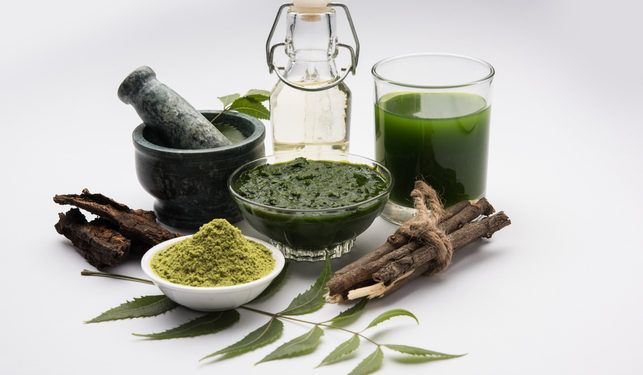
Panchakarma, the classical Ayurvedic purification procedure, offers deep detoxification for the entire body, including the kidneys. Therapies such as Virechana (purgation) and Basti (medicated enema) help expel accumulated toxins and metabolic waste (ama) from the system. This purification restores balance to all three doshas, revitalizes kidney function, and prevents future stone formation. Panchakarma also improves digestion, ensuring proper nutrient absorption and reducing toxin buildup. Under professional supervision, these treatments are customized according to an individual’s constitution and health condition. Regular detoxification cycles, typically once or twice yearly, maintain long-term urinary health.
Beyond physical cleansing, Panchakarma promotes mental clarity and emotional stability—key factors in overall wellness. Its holistic benefits make it one of the most effective Ayurvedic methods for preventing chronic kidney disorders and maintaining systemic equilibrium.
13. Yoga Asanas to Stimulate Kidney Function
Ayurveda and Yoga are interlinked sciences that complement each other in promoting organ health. Specific postures like Ardha Matsyendrasana (Half Spinal Twist), Dhanurasana (Bow Pose), and Pavanamuktasana (Wind-Relieving Pose) stimulate kidney circulation and enhance detoxification. These asanas massage the abdominal area, improving digestion and urinary tract efficiency. Regular practice for 30 minutes daily strengthens the lower back and tones the internal organs. Consistency in these movements enhances kidney vitality and assists in the natural passage of small stones. Under professional guidance, yoga also alleviates pain caused by urinary blockages. By integrating these postures with mindful breathing, one cultivates both physical and energetic balance, creating a holistic environment for kidney healing and prevention.
14. Pranayama and Stress Reduction for Renal Health
Pranayama—the ancient art of controlled breathing—plays a vital role in kidney wellness. Techniques such as Anulom Vilom (alternate nostril breathing) and Kapalabhati (skull-shining breath) improve oxygenation, blood circulation, and detoxification. Enhanced oxygen supply aids cellular repair in kidney tissues and reduces oxidative stress. From an Ayurvedic perspective, emotional imbalance and stress aggravate Vata and Pitta doshas, disturbing urinary metabolism. Practicing pranayama calms the mind, balances hormones, and stabilizes internal energies. It complements herbal therapies by improving pranic flow and overall vitality.
A 15-minute daily session can significantly reduce the recurrence of stones by normalizing metabolic rhythm and maintaining internal harmony. This union of breath and awareness embodies Ayurveda’s belief that true healing arises from both physical and mental balance.
15. Lifestyle Discipline and Professional Monitoring
Sustaining kidney health requires disciplined lifestyle habits alongside Ayurvedic care. Avoiding alcohol, caffeine, and processed foods minimizes dehydration and acid imbalance. Maintaining regular sleep cycles, stress management, and daily exercise supports systemic equilibrium. Periodic consultations with a certified Ayurvedic practitioner ensure that herbal and dietary treatments remain suitable for one’s constitution. Professionals assess stone type, size, and recurrence risk before prescribing personalized herbal formulations. Integrating Ayurvedic recommendations with modern diagnostic evaluations, such as urine analysis and ultrasound, ensures safe, evidence-based management. Continuous monitoring and preventive measures fortify kidney resilience, reduce toxin load, and sustain long-term urinary wellness. A lifestyle rooted in Ayurveda thus becomes not just a cure but a lifelong commitment to balance, vitality, and holistic well-being.