
1. FBI Investigation Into Democratic Lawmakers & Constitutional Boundaries
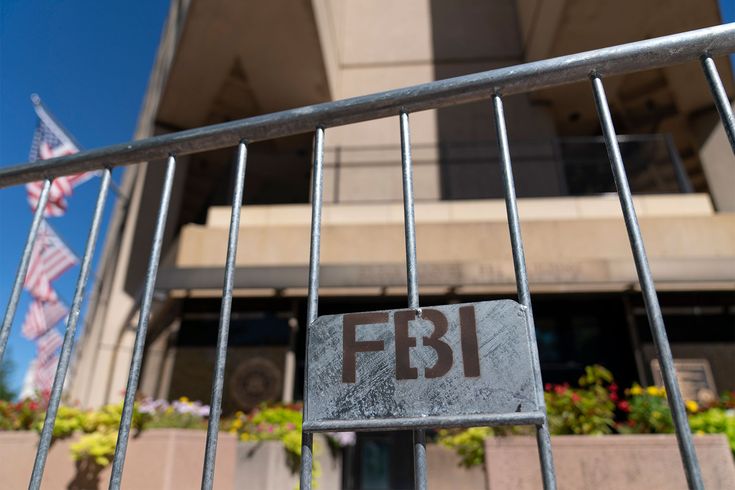
The FBI’s decision to investigate six Democratic lawmakers—Mark Kelly, Elissa Slotkin, Jason Crow, Maggie Goodlander, Chris DeLuzio, and Chrissy Houlahan—marks an extraordinary moment in U.S. politics. The lawmakers were summoned after appearing in a video urging military personnel not to obey illegal orders. While the message itself references a long-standing legal principle within the military code, the FBI’s involvement raises significant concerns about the scope of congressional speech and the limits of law enforcement. Historically, congressional members enjoy broad protections when expressing views related to governance, including matters concerning the military. The fact that the FBI requested an interview through the Capitol Police adds weight, suggesting a formal inquiry rather than a routine clarification. Critics argue that such steps represent political overreach that risks silencing legitimate dissent. Supporters, however, may view the investigation as necessary to evaluate whether the statements crossed into encouraging insubordination. The situation places Congress, the military, and law enforcement at a rare intersection of power, accountability, and speech rights. If the investigation escalates, it could set a dangerous precedent where political disagreements are criminalized, affecting the ability of lawmakers to challenge military or executive authority without fear of retaliation.
2. Pentagon Surveillance & Military Oversight of Civilian Leaders
The Pentagon’s previous investigation into Senator Mark Kelly adds yet another dimension to the controversy. Military oversight of civilian leaders is rare and historically sensitive due to constitutional norms that place the military under civilian control—not the reverse. The fact that Kelly faced scrutiny for potential violations of military law hints at deeper questions about how far the Pentagon’s surveillance and monitoring of elected officials extends. This layered oversight system blurs the boundaries between civil governance and military discipline.
The use of military legal frameworks to examine the actions of lawmakers could be interpreted as a structural overreach, considering that elected officials are not subject to standard military orders unless serving in active duty roles.
The involvement of both the FBI and Pentagon suggests either heightened concern or miscommunication among federal agencies, both of which pose risks. If the military begins evaluating the public statements of political leaders, it challenges the core democratic principles of oversight and separation of powers. Critics fear such actions normalize military intrusion into political discourse. Supporters argue that any statement influencing military obedience should undergo scrutiny. Ultimately, the Pentagon’s role in this scenario reflects rising tensions over authority, legality, and civilian oversight in America.
3. Risks of Government Intimidation & Threats to Legislative Independence
This episode has sparked a national debate about government intimidation. When federal agencies investigate sitting lawmakers for their public statements, it raises concerns that political expression could be policed by institutions meant to remain neutral. Such actions, if repeated, may erode the independence of Congress—one of the pillars of the American democratic system. The Constitution grants lawmakers broad protections to ensure that they can scrutinize the executive and military without fear of punishment. Investigations of this nature could create a chilling effect, where elected officials hesitate to speak openly, especially on sensitive topics involving national security or military conduct. Critics argue that this dynamic could be exploited by future administrations to silence political opposition.
If the investigation leads to criminal charges, it sets a precedent enabling political rivals to weaponize law enforcement for strategic gains. Supporters claim that accountability must apply equally to all, including lawmakers. However, balancing accountability with freedom of expression remains a delicate endeavor. Without clarity on what constitutes a legitimate investigation, America risks entering an era where dissent is met with government force, undermining democratic dialogue and the checks-and-balances system designed to prevent overreach.
4. Potential Consequences: Legal, Political & Institutional Precedent
If the FBI’s investigation expands or yields formal charges, the consequences could reshape the relationship between Congress and federal agencies. Legal action against lawmakers for political speech—even speech about military misconduct—would be unprecedented and highly controversial. It could open doors to future legal battles where agency authority overlaps with legislative independence. Politically, such cases may inflame partisan tensions, fueling narratives that law enforcement is being weaponized to suppress dissent. This could damage institutional trust in the FBI, Pentagon, and broader federal infrastructure. Historically, investigations involving elected officials are rare and handled with extreme caution to avoid the perception of political targeting.
Should this case proceed aggressively, it could fracture bipartisan relationships and elevate fears among lawmakers that their statements—especially regarding national security—may carry hidden legal risks. Institutional norms may shift as Congress considers developing clearer protections for speech related to military oversight. Conversely, agencies may push for expanded authority to investigate officials. The outcomes—whether dismissals or prosecutions—will directly influence how future lawmakers communicate with the public and military. The precedent set here could either reinforce democratic expression or weaken it significantly, depending on how the case unfolds.
5. National Park Fee Hike: Accessibility vs. Conservation Costs
In a separate development, the Department of the Interior announced a dramatic policy shift: beginning January 1, 2026, entrance fees for eleven major national parks will triple for non-residents. While the government argues that increased fees are essential to fund conservation, maintenance, infrastructure, and services, the decision triggers concerns about accessibility. National parks are considered public treasures, and making them significantly more expensive may effectively limit access for international visitors and lower-income families. Economists warn that pricing policies must strike a balance—too low, and parks lack the necessary funding;
too high, and public access becomes restricted, undermining the purpose of national parks as shared natural heritage. Critics argue that such drastic increases reflect budgetary mismanagement rather than genuine conservation needs. Others fear that this creates a two-tiered access system, where wealthier travelers enjoy benefits that others cannot. Supporters of the policy believe increased revenue can protect ecosystems, wildlife, and aging infrastructure that desperately needs funding. The decision reflects broader tension in public policy: balancing financial sustainability with public accessibility. As debates intensify, the move underscores larger questions about how federal agencies prioritize resources and whose interests are ultimately served.
6. Economic Ripple Effects: High Interest Rates & Shrinking Consumer Spending
The U.S. economy is facing growing pressure as high interest rates shrink household spending power. With borrowing becoming more expensive, families are reducing major purchases such as homes, cars, and large appliances. Even though consumers continue visiting shopping malls and online platforms, retail sales remain stagnant. Rising prices, reduced purchasing power, and concerns about job security contribute to more selective, cautious spending patterns. These behavioral shifts create ripple effects across retail, manufacturing, and service sectors. During peak shopping periods—especially holidays—retailers traditionally rely on increased spending to boost annual revenue. While foot traffic may remain stable, average spending per person is declining, leading to disappointing quarterly results.
This forces companies to reevaluate their inventory strategies, reduce costs, and delay expansions. In extreme cases, firms may initiate layoffs to stabilize finances. For an economy where consumer spending drives two-thirds of GDP, such changes pose serious risks. If spending contraction continues, it could push the economy toward recession. Policymakers face a dilemma: raising interest rates curbs inflation but risks slowing economic growth. As borrowing remains costly, consumer confidence declines further, signaling potential economic instability in the coming quarters.
7. Housing Market Strain: Mortgages, Construction & Investment Slowdown
The average 30-year mortgage rate at 6.189% is placing significant strain on the U.S. housing market. Higher borrowing costs are discouraging homebuyers, leading to fewer purchases, slower sales, and a decline in housing demand. Homebuilders are losing confidence as projects become more expensive, materials costs remain high, and prospective buyers hesitate to commit. This slowdown affects multiple connected industries: construction firms, real estate agents, banking, insurance, furniture suppliers, and home improvement retailers. Rising interest rates also push investors toward safer financial instruments like certificates of deposit (CDs), which offer higher returns during restrictive monetary periods. While this benefits savers, it reduces the flow of capital into real estate and business ventures.
The long-term result is a tightening financial ecosystem where both consumers and businesses restrict investments. Real estate services, including property management and brokerage firms, experience declining revenues as fewer transactions take place. The slowdown may also reduce new housing supply, worsening affordability in the future. Overall, rising mortgage rates reflect a broader policy challenge: balancing inflation control with economic vitality. Without careful intervention, the combined effects of declining demand and reduced construction could weaken one of the pillars of the U.S. economy.
8. Declining Consumer Confidence & Risk of Recession
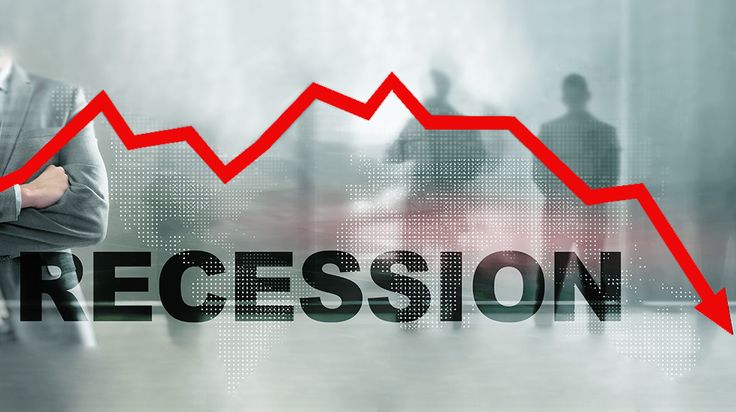
Consumer confidence surveys show a notable decline, driven by concerns about inflation, interest rates, and job stability. When households lose confidence, they reduce discretionary spending, delay major purchases, and prioritize savings. This shift directly impacts economic growth, as reduced consumption slows business revenues, prompting companies to cut costs. Historically, declining consumer sentiment is one of the clearest indicators of an approaching recession. In the current environment—characterized by high prices and elevated borrowing costs—the risk of recession grows with each successive drop in consumer confidence. High inflation erodes purchasing power, while stagnant wages create additional pressure on households.
The fear of layoffs or wage freezes encourages consumers to adopt defensive financial behaviors. The cumulative result is reduced demand across retail, entertainment, travel, and dining sectors. Businesses respond with hiring freezes, reduced investment, and cost-cutting measures that may initiate a negative economic cycle. Policymakers must balance monetary tightening with measures that support employment and stabilize prices. Without strategic intervention, declining consumer confidence combined with persistent inflation could trigger a prolonged period of stagnation, reduced investment, and weakened economic resilience across multiple sectors.
9. America’s Volatile Diplomatic Position & Geopolitical Shifts
In global affairs, America’s diplomatic landscape is growing increasingly volatile. Shifting trade policies, evolving alliances, and rising security tensions are reshaping how the U.S. engages internationally. Successful diplomatic initiatives can open doors to economic growth, technological partnerships, and strengthened geopolitical influence. However, failures in negotiation or foreign policy missteps carry serious consequences, including reduced trust among allies, increased competition with adversaries, and domestic political backlash. Economic and security dynamics—especially in Asia, the Middle East, and Europe—continue evolving rapidly.
Trade disputes, energy dependencies, and cybersecurity threats amplify the importance of diplomatic precision. Domestically, public confidence in America’s global role fluctuates as citizens question the costs and benefits of international involvement. Internationally, major powers are rebalancing their partnerships, challenging the U.S. to adapt diplomatically. The stakes are high: diplomatic successes can stabilize regions and benefit American businesses, while failures can deepen global tensions and fuel internal division. As global power dynamics shift, the U.S. must navigate complex negotiations with caution, balancing national interests with long-term global stability. America’s global leadership depends heavily on its ability to maintain consistent, strategic, and credible diplomatic engagement across multiple continents.
10. Weather Disruptions, Media-Government Tensions & Social Polarization
Holiday travel often experiences disruption due to unpredictable weather patterns—snowstorms, harsh winds, flooding, or freezing conditions. Such events will likely cause widespread travel delays and flight cancellations, impacting airlines, logistics networks, and consumer schedules. Travel disruptions also affect holiday retail, as shoppers may postpone or alter their plans. Meanwhile, media-government tensions continue rising. Concerns about censorship, misinformation, and limits on press freedom fuel political polarization. As trust in institutions declines, public frustration grows, increasing the risk of protests, social unrest, or widespread misinformation campaigns.
Protecting the independence of the press remains a critical democratic priority. Amid this complexity, cultural events like the U.S. Women’s National Soccer Team’s match against Italy help unite the public. Sports can temporarily bridge political divides, generating national pride and providing emotional relief during turbulent times. Such moments of unity are essential, especially when the country faces economic, political, and social instability. Collectively, weather disruptions, media disputes, and cultural events highlight the complexity of modern American life—where challenges intersect across institutions, public sentiment, and cultural identity. Maintaining stability requires strong communication, reliable infrastructure, and efforts to preserve democratic norms.