
The incident and immediate human toll
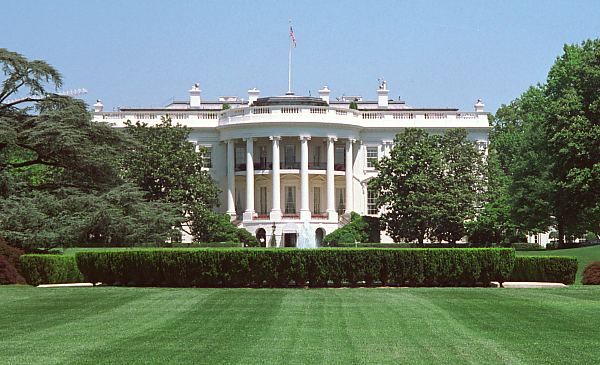
The shooting near the White House is a high-impact event because of both its location and its human cost. Specialist Sarah Beckstrom’s death and Staff Sergeant Andrew Wolfe’s serious injuries personalize the tragedy and lend an urgent moral weight to the public and policy response. Incidents in or near nationally symbolic spaces produce intense media scrutiny and political pressure that outsize more geographically remote crimes. Beyond headline traction, the immediate focus is on victim care, family notifications, and ensuring accurate, verifiable information reaches the public to reduce rumor. The human narrative also shapes legal processes — sympathy for victims can accelerate calls for stricter penalties, but prosecutorial choices still must be tethered to admissible evidence. Additionally, servicemembers as targets heighten perceptions of national vulnerability and may catalyze interagency coordination (Defense, DHS, DOJ). Local community impacts—grief, heightened anxiety, and distrust—require sustained outreach, mental-health resources, and transparent communication strategies. The short-term policy cascade (security reviews, temporary procedural changes) will be driven as much by the optics of loss as by the factual contours of the attack.
Arrest and suspect profile: national origin and resettlement background
The suspect, Rahmanullah Lakanwal, being an Afghan national who resettled in the U.S., immediately implicates immigration and resettlement systems in public debate. Operationally, investigators will prioritize biographical reconstruction—family ties, resettlement sponsors, medical and mental-health records, local community interactions and any pre-existing law-enforcement contacts. Resettlement programs have multiple safeguards, but they are not immune to exploitation or failure; a single case with severe consequences can prompt a systemic review. Importantly, policymakers and the public often conflate individual criminality with programmatic risk;
responsible analysis separates individual pathology from systemic causation. Resettlement is also a humanitarian imperative with diplomatic and legal commitments. The suspect’s background will therefore produce competing pressures: calls for more restrictive admission procedures and countervailing arguments stressing due process and the humanitarian mission. How authorities and community leaders frame the suspect’s biography will influence public sentiment and the political feasibility of proposed immigration changes.
Expansion of the FBI probe: criminal vs. terrorism designation
The FBI’s decision to expand its role and to treat the matter with both criminal and potential terrorism lenses raises core prosecutorial and investigative questions. A terrorism designation—or even the suggestion of one—alters investigative tools, evidentiary standards, charging decisions, and public messaging. Terrorism enhancements can enable stiffer penalties and broaden surveillance authorities, but they also demand rigorous proof of ideological motive, coordination with known extremist groups, or intent to influence political outcomes.
The federalization of the investigation brings additional resources—national databases, interagency intelligence sharing, and tactical assets—but also heightened scrutiny by civil liberties groups and media. For investigators, the key operational tasks include establishing motive, mapping networks (if any), and ensuring chain-of-custody and constitutional compliance for intelligence-derived evidence. Prosecutors must balance the strategic value of pursuing terrorism-related counts (deterrence, severity of sentences) against the risk that politicized claims could backfire if not demonstrably supported by the record.
Heightened security posture: National Guard deployments and public-safety trade-offs
The rapid increase in security—visible troop presence, checkpoints, surveillance assets—seeks to provide reassurance and to deter follow-on attacks. Deploying the National Guard and expanding law-enforcement footprints is a common short-term mitigation strategy for high-profile incidents. But these measures have tradeoffs: they can disrupt urban life, chill civic activity, and strain relations between communities and security forces if not managed sensitively. Sustained militarized presence around civic spaces also raises legal and public-policy questions about the appropriate balance between temporary emergency measures and long-term normalization of armed deployments in public spaces.
Commanders and civil authorities must calibrate posture to minimize inconvenience while maximizing deterrence, and they should communicate clear exit criteria and accountability mechanisms. Equally important are coordinated public-safety messaging and partnership with local leaders to maintain trust.
Multi-jurisdictional warrants and nationwide evidence collection
Investigators executing warrants across several states indicate the probe’s geographic breadth—targeting residences, vehicles, social contacts, and digital endpoints. Multi-jurisdictional operations demand careful coordination: federal and state prosecutors must manage evidence chains, privacy constraints, and parallel proceedings. Warrants tied to travel, financial records, and communications are central to reconstructing a suspect’s movements and contacts. However, aggressive, widespread searches risk community alarm and require transparent legal justification to sustain public confidence and to avoid claims of overreach.
For legal teams, the principal tasks are ensuring judicial authorization, defending against suppression arguments, and integrating granular forensic findings into a coherent theory of the case. Operationally, investigators will also seek to harmonize timelines, avoid contaminating evidence, and coordinate interagency deconfliction when intelligence sources are sensitive.
Motivational analysis: ideological, personal, mental-health, or hybrid drivers
Understanding motive is both analytically complex and legally consequential. Investigators must consider ideological radicalization, personal grievances, mental-health conditions, or combinations thereof. Ideological motives often leave digital footprints—forum posts, communications with extremist actors, or prior surveillance indicators—while personal motives may be visible through interpersonal histories, employment disputes, or family testimony. Mental-health contributors complicate culpability and sentencing considerations and may influence pretrial competency assessments. Hybrid motives (e.g., a personal grievance exploited by extremist propaganda) are increasingly common and present nuanced challenges for prosecutors and policymakers. Accurate motive attribution affects charging strategy, public messaging, potential preventive measures, and long-term policy responses. Analysts should resist premature causal claims and prioritize evidence-based linkage between motive indicators and concrete behavior.
Weapons procurement and the illicit market question

How the suspect obtained weapons is central to both investigative resolution and policy implications. If legally purchased, questions arise about background-check failures, straw purchases, or exploitation of loopholes. If acquired via illicit channels, investigators will seek to map trafficking networks or one-off transactions. Forensic tracing—serial numbers, purchase receipts, and transactional records—will be crucial. Identifying procurement routes informs targeted interventions (e.g., regulatory fixes, enforcement priorities) and shapes legislative debates on gun safety. If the weapon chain involves transnational smuggling, the probe could expand into broader counter-trafficking operations. Regardless of outcome, policymakers will likely use procurement findings to justify either enforcement intensification or statutory reforms, making the rigor of evidentiary linkage a political as well as legal necessity.
Communications and travel records as key evidentiary pillars
Travel history, phone metadata, messaging archives, and social-media activity provide investigators with chronological scaffolding to test hypotheses about planning, contacts, or radicalization. Digital forensics can illuminate intent, timelines, and interaction with networks. However, using such data raises Fourth Amendment and statutory privacy issues that defense counsel may later challenge. Intelligence-derived leads must be transformed into court-admissible evidence through lawful collection, warranting, and chain-of-custody protocols. When foreign communications or cross-border data flows are involved, international legal assistance and diplomatic channels may be necessary to obtain records. The interpretive challenge is to distinguish innocuous co-travel or communications from meaningful conspiracy indicators, a process that requires corroboration across disparate data types.
Policy response: temporary halts and enhanced vetting of specific immigration caseloads
In the immediate policy reaction, authorities paused processing of Afghan cases and implemented tougher vetting for certain nationalities. Administrative pauses are a commonly used management tool to allow targeted reviews; however, they create humanitarian consequences—family separation, delayed protection for vulnerable people, and operational backlogs. Enhanced vetting can be sensible—integrating additional biometric checks, open-source intelligence reviews, and cross-agency vetting—but must be risk-calibrated to avoid blanket stigma. Any long-term expansion of vetting requirements will require resource commitments (consular staffing, intelligence vetting teams) and may necessitate legislative or policy clarifications to maintain due process for asylum and refugee claimants. The policy challenge is balancing short-term political signaling with procedural fairness and international obligations.
The presidential “permanent ban” proclamation: legal, diplomatic, and practical ramifications
A social-media announcement of a “permanent ban” on immigrants from “third world” countries, if followed by administrative action, raises urgent constitutional and international-law questions. Blanket categorical exclusions on the basis of nationality or region conflict with non-discrimination principles and risk immediate litigation on statutory and constitutional grounds (equal protection, due process, and immigration statutes that allocate admissions authority). Diplomatically, such a move can strain relations with allied and partner countries, complicate refugee-readmission frameworks, and damage U.S. credibility on human-rights commitments.
Practically, implementation would strain consular networks, create enormous case-processing backlogs, and potentially leave vulnerable populations in protracted limbo. Historically, courts have constrained overly broad executive exclusion powers, particularly when they implicate protected classes or run counter to statutory frameworks. The political calculus of such an announcement must confront legal defensibility, operational feasibility, and reputational cost.
Civil liberties and immigrant-rights pushback

Civil-rights organizations and immigrant-advocacy groups are primed to challenge policies that single out national groups or broaden surveillance and enforcement powers. Their concerns include racial or religious profiling, erosion of community trust that undermines policing cooperation, and chilling effects on civic participation. Legal challenges typically assert constitutional protections and statutory limits, and they may seek injunctive relief to prevent policy rollouts. Advocacy strategies also include public mobilization, Congressional lobbying, and coalition-building with faith and legal organizations. Maintaining a balance between legitimate security measures and rights protection requires transparent criteria, narrowly tailored authorities, robust oversight, and clear due-process safeguards. Failure to incorporate these elements risks prolonged litigation and community alienation, which can ultimately impede effective counterterrorism and public-safety work.
Legislative pressure and partisan dynamics over immigration and national security
The shooting has catalyzed a flurry of legislative proposals—hardening vetting, revising resettlement statutes, or expanding law-enforcement powers—that will navigate an intensely partisan environment. Proposals that expand executive discretion will face scrutiny on separation-of-powers grounds, while measures that impose targeted requirements (e.g., additional biometric checks or statutory reporting obligations) may attract bipartisan support if narrowly drafted. Yet, political incentives push toward symbolic, broad actions that can be politically rewarded in the short term but legally vulnerable and operationally costly. Congressional committees will likely hold hearings that can shape public narratives and influence administrative rulemaking. Negotiations will be influenced by electoral calendars, constituent pressure, and competing priorities such as foreign-policy considerations and humanitarian commitments.
Prosecutorial strategy and the choice to seek terrorism enhancements
Deciding whether to charge terrorism-related offenses is a strategic prosecutorial choice with ramifications for sentencing, evidentiary standards and appellate review. Terrorism enhancements and statutes often require proof of intent to coerce or intimidate a government or population for political objectives, a standard that is distinct from ordinary murder or violent-crime statutes. If prosecutors pursue terrorism counts, they will need robust documentary and testimonial evidence linking the suspect to ideological aims or networks. The alternative—proceeding on traditional criminal counts—may achieve conviction more rapidly but might be criticized as underplaying broader threats. The decision matrix also includes considerations about classified evidence handling (FISA-derived intelligence), potential use of national-security letters, and balancing transparency with national-security protections during public trial proceedings.
Intersecting policy items: judicial, regulatory and market ripples

Your prompt ties the shooting to other ongoing governance challenges: the Supreme Court stay over an executive-removal dispute, market reactions to Fed rate expectations, and legislative proposals on counter-drone authorities and online safety for minors. These concurrent issues illustrate how a single fast-breaking security event can intersect with broader institutional dynamics. For example, heightened security debates can influence judicial appointment politics or accelerate administrative rulemaking; economic uncertainty tied to the event (through investor sentiment or tourism impacts) interacts with Fed deliberations and retail outlooks. Policymakers must therefore avoid siloed responses and consider cross-cutting consequences—legal precedents, economic confidence, tech-sector regulation, and civil-liberties protections—so that responses to one crisis do not inadvertently destabilize other policy domains.
Societal resilience, public trust, and long-term implications
Beyond immediate operational and legal tasks, the episode tests societal resilience and the equilibrium between security and democratic norms. Public trust in institutions—law enforcement, immigration systems, executive leadership and the judiciary—will shape both short-term compliance with security measures and long-term cohesion. Heavy-handed or poorly justified policies risk eroding trust and polarizing communities, whereas transparent, evidence-based, and rights-respecting approaches can strengthen social cohesion. Long-term implications include reassessment of resettlement protocols, investments in community policing and mental-health resources, enhancements to interagency intelligence-sharing, and careful calibration of emergency powers. Policymakers should also prepare for a protracted policy and legal environment—litigation, legislative bargaining, and diplomatic fallout—that can outlast immediate electoral cycles, making durable, principled policy design essential.