
1) Brown University Mass Shooting and National Debate on Gun Control
A mass shooting at Brown University in Providence, Rhode Island, on December 13 left two students dead and nine others wounded in what has become yet another tragic chapter in U.S. campus violence. The shooter opened fire during an exam review session, exploiting the university’s open-campus philosophy. Law enforcement quickly detained a person of interest, though motives remain under investigation and debates continue over campus security protocols.
President Donald Trump publicly mourned the victims at a White House holiday reception, but his response, including the remark “things can happen,” drew sharp criticism from Democrats, gun control advocates, and even some Republicans who argue that such comments diminish the urgency of national firearm reforms. Critics argue that open-campus policies—combined with lax gun restrictions—facilitate lethal outcomes. Survivors and families are now calling for stronger alert systems, improved mental health resources, and bipartisan legislative action to prevent future attacks. Analysts note that this incident marks the 389th mass shooting in the U.S. this year, underscoring the persistent epidemic of gun violence and the deep polarization in how Americans address it.
This shooting reignites broader national debates over background checks, gun design regulations, red-flag laws, and how universities balance freedom with safety. For policymakers, the emotional toll on communities may renew pressure for action—especially with the 2026 midterms looming—but bipartisan solutions remain elusive in a divided Congress.
2) Tariff Strategy Sparks Economic Controversy and Policy Clash
President Trump announced ambitious plans for a “tariff-led golden age of U.S. manufacturing,” forecasting a revival in industrial production within six to twelve months. In his remarks, he cited commitments like Toyota’s multi-billion-dollar expansion in American facilities as proof that tariffs are attracting foreign investment rather than deterring it.
However, economists and business groups caution that tariff policy remains a double-edged sword. While aimed at strengthening domestic industry and reducing reliance on imports, tariffs have increased input costs for U.S. manufacturers—especially sectors like construction and materials—contributing to inflationary pressures. Critics point out that even with Toyota’s investment, broader economic indicators, including a recent slight rise in unemployment and slowed manufacturing activity, suggest that tariffs themselves may not be sufficient to create a sustained economic boom. Uncertainty surrounding the legality of some tariff measures—now under scrutiny by the Supreme Court—adds an additional layer of risk for businesses making long-term decisions.
The administration’s tariff strategy is now at the intersection of economic policy, global trade law, and political messaging. If tariffs fail to deliver tangible economic benefits quickly, Republicans risk criticism from both business sectors and the broader electorate ahead of pivotal midterm and 2028 election cycles.
3) U.S. Homebuilder Sentiment Sees Modest Gain Amid Persistent Challenges
According to the latest National Association of Home Builders’ data, homebuilder sentiment in December 2025 rose slightly to an eight-month high, though the overall index remains far below the neutral 50 mark, reflecting ongoing market headwinds.
Builders continue to grapple with rising material costs, labor shortages, and tariff-driven price pressures. While mortgage rates have declined modestly from their peaks this year, they remain a barrier for many prospective buyers, limiting demand and slowing sales activity. To stimulate purchases, builders have increasingly offered sales incentives and price adjustments, a strategy that can help shift slow inventories but may erode profit margins. Analysts note that without a more robust economic rebound and reductions in construction cost pressures, builder confidence is likely to stay subdued.
The housing market’s current state underscores broader affordability challenges facing American consumers. Even with incentives, many buyers—especially first-timers—find homeownership out of reach. A sustained improvement in builder sentiment will hinge on broader economic factors, including wage growth, job stability, and meaningful progress in reducing tariffs on key building materials.
4) Trump Administration’s Enhanced Tariff Revenue Case Meets Pushback
A multitrack tariff update is unfolding, with President Trump defending tariff revenues as potential funding sources for federal priorities. Meanwhile, Democrats and policy analysts argue the costs of tariffs have fallen on American households through higher consumer prices, effectively undermining any economic benefit.
The debate highlights a broader ideological clash about government revenue, trade policy, and economic strategy. Supporters claim tariffs protect U.S. industries and contribute to a fairer trade landscape, while critics point to empirical data showing tariffs often function as hidden taxes on consumers and small businesses, making everyday goods more expensive without guaranteeing new jobs or investment across sectors.
This ongoing political fight is shaping legislative priorities and could influence fiscal policy heading into 2026, with potential ramifications for trade negotiations with major partners like the EU, China, and Mexico.
5) Sudden Death of Hollywood Icon Rob Reiner and Wife
The entertainment and cultural world was shaken by the news of filmmaker and actor Rob Reiner and his wife Michelle Singer being found dead in their Los Angeles home.
Industry luminaries, filmmakers, and public figures reacted with shock and sorrow, remembering Reiner’s vast contributions to cinema—from iconic films that resonated across generations to his influential voice in political and social commentary. While authorities continue to investigate the circumstances surrounding the deaths, the outpouring of tributes underscores Reiner’s unique imprint on Hollywood and American culture at large. This loss also highlights the fragility of life even at the pinnacle of success and reminds the nation of the personal stories behind public personas.
6) AI Security Expansion in Commercial Infrastructure
Cloudastructure (NASDAQ: CSAI) announced a major agreement to standardize its AI-driven security platform across key U.S. commercial truck parking networks, an emerging priority as freight logistics grow and cyber-physical risks rise in transport hubs.
This deal reflects the broader trend of integrating advanced surveillance and automated monitoring technologies to safeguard critical infrastructure sectors. Analysts say that as autonomous and connected vehicles proliferate, securing parking and staging areas becomes vital not just for theft and vandalism prevention but also for national supply chain resilience.
The push for AI security also comes amid growing regulatory attention on data privacy, algorithmic transparency, and the balance between public safety and civil liberties—a complex dynamic as private companies assume larger roles in networked oversight.
7) U.S. Supreme Court’s Role in Federal Power and Independence
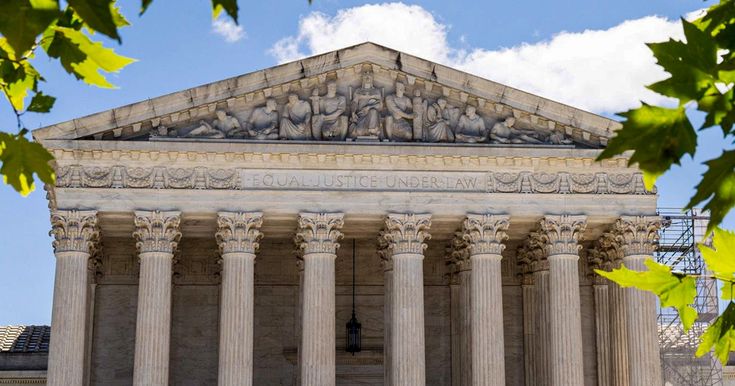
The U.S. Supreme Court is signaling reluctance to extend presidential removal powers over the Federal Reserve, even as it appears poised to side with the Trump administration on certain agency removal cases.
This legal calculus has profound implications for the independence of key economic institutions such as the Fed. While the court’s conservative majority has often upheld executive authority in recent rulings, its nuanced approach here suggests a judicial recognition of the Fed’s unique role in insulating monetary policy from political pressures. This deliberation comes at a critical time for the U.S. economy as policymakers seek balance between political oversight and technocratic autonomy.
The outcome of this case will influence future battles over executive reach, regulatory agency structures, and the separation of powers—especially with economic stability at stake.
8) Wisconsin Judge Trial Highlights Immigration Policy Clashes
In Wisconsin, Judge Hannah Dugan’s federal trial has begun after she allegedly helped a migrant avoid arrest by federal immigration agents in a courthouse.
The case encapsulates deep tensions between local judicial norms and federal immigration enforcement under Trump’s aggressive policies. Prosecutors argue Dugan interfered with legal process; defenders say she acted to uphold local procedural rights and protect due process. This trial is symbolic of a larger national debate over federal vs. local jurisdiction, immigrant rights, and how far courts and law enforcement can go when policies collide.
9) States Sue Over $100,000 H-1B Visa Fee Hike
Twenty U.S. states filed a lawsuit challenging the Trump administration’s new $100,000 fee on H-1B visa petitions, arguing it exceeds legal authority and threatens vital sectors like tech and healthcare.
This unprecedented fee hike could significantly reduce the United States’ ability to attract and retain skilled foreign workers at a time when global competition for talent is intense. Employers fear that higher costs will dissuade applications and exacerbate labor shortages in industries already struggling to fill specialized roles.
The lawsuit marks a pivotal moment in immigration litigation and could define the limits of executive action on visa policy.
10) Inflation and Affordability Remain Core Economic Struggles
Recent economic data suggests that while headline inflation may be slowing modestly, Americans continue to face affordability challenges as prices for essentials remain elevated and real wage gains lag.
Household budgets are strained by costs in housing, healthcare, and transportation. The debate over inflation dynamics—whether driven by supply constraints, tariff impacts, or labor market issues—continues to dominate economic policy discussions in Washington. With the Federal Reserve’s future moves uncertain and political pressures rising, economic stability remains a key concern for policymakers.
11) Enhanced Social Media Vetting for H-1B and Other Visa Applicants
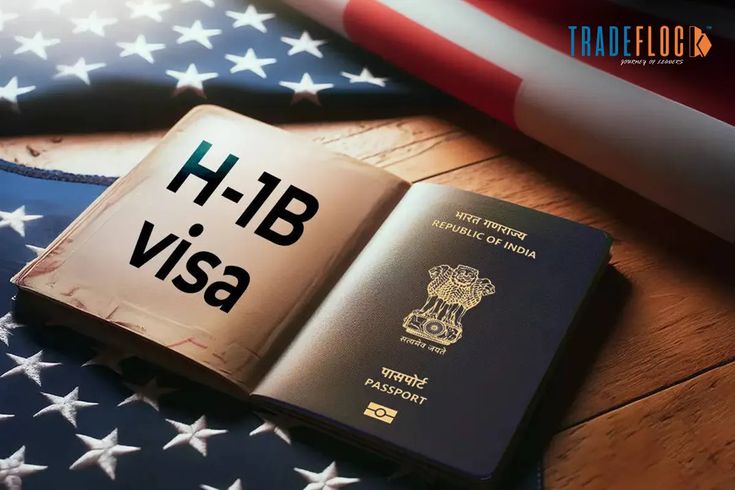
The U.S. government has implemented expanded social media vetting rules for H-1B and other visa applicants, requiring deeper scrutiny of online content to assess potential security risks.
While officials frame this as a national security measure, critics argue the policy may discourage global talent from seeking opportunities in the U.S. and could have chilling effects on freedom of expression. The policy aligns with broader immigration tightening but raises questions about feasibility, data privacy, and international goodwill.
12) Pacific Northwest Flooding Affects U.S. Infrastructure and Lives
The Pacific Northwest continues to grapple with historic flooding triggered by a powerful atmospheric river system, impacting wide regions of Washington and Oregon.
Although no confirmed fatalities have been reported, tens of thousands have faced displacement and disruptions to essential services. Emergency responders are stretched, and long-term recovery will require federal, state, and local coordination. The flooding highlights climate vulnerability in U.S. coastal and riverine communities and reinforces calls for climate adaptation investments.
13) Debate Over Federal Government Functions Post-Shutdown
The U.S. federal government’s longest shutdown in history earlier this fall has had lingering effects, including backlogs in services and strained federal workforce morale.
While appropriations have resumed, policymakers are now reckoning with lessons learned, such as how to safeguard essential programs from future political stalemates and ensure continuity of critical public services.
14) U.S. Naval Deployment in Caribbean Escalates Pressure on Venezuela

U.S. naval forces increased operations near the Caribbean following the seizure of a Venezuelan oil tanker in early December, signaling a strategic escalation aimed at pressuring the Maduro regime and disrupting sanctioned oil shipments.
This build-up could influence regional security dynamics, relations with Latin American governments, and global oil markets. The U.S. strategy underscores geopolitical tensions over energy, sanctions enforcement, and U.S. military posture in the Western Hemisphere.
15) Immigration News Roundup: Policy Shifts and System Changes This Week
Recent immigration developments include updated USCIS guidance, changes to biometric validity periods, and broader reforms affecting applicants across visa categories and statuses.
These incremental reforms reflect ongoing efforts to tighten immigration pathways, streamline certain bureaucratic processes, and address labor market needs while maintaining security priorities. The cumulative impact of these policies continues to reshape the U.S. immigration landscape.