
Congress Advances Short-Term Funding Bill to Avert Federal Government Shutdown
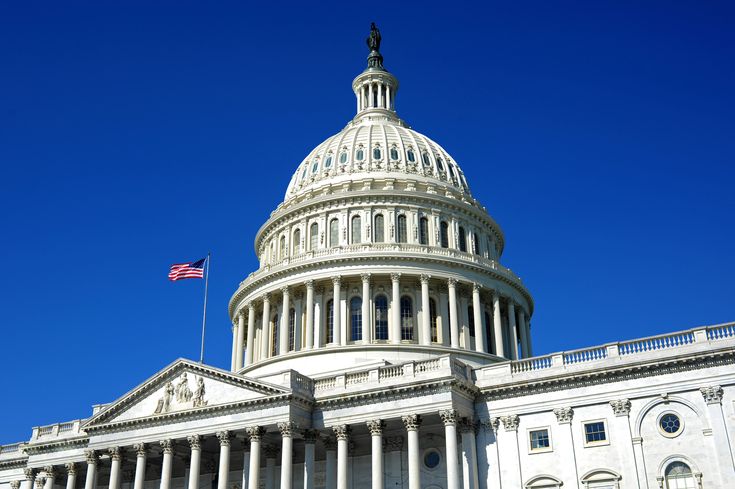
Background & Facts (What Happened):
The U.S. Congress moved closer to averting a federal government shutdown after House and Senate leaders introduced a short-term continuing resolution to fund government operations beyond the looming fiscal deadline. The bipartisan measure would extend current funding levels for several weeks, allowing lawmakers additional time to negotiate full-year appropriations. The legislation emerged after weeks of deadlock driven by disagreements over defense spending, border security funding, and domestic program cuts. Failure to pass the bill would have resulted in partial shutdowns affecting federal agencies, national parks, and government services.
Analysis & Impact:
In the short term, the stopgap bill reduces immediate economic disruption and market uncertainty. Federal shutdowns historically lead to furloughs, delayed payments, and weakened consumer confidence, particularly in regions dependent on government employment. However, the reliance on temporary funding underscores deeper dysfunction in the U.S. budget process. Repeated use of continuing resolutions limits agencies’ ability to plan, invest, and modernize operations, especially within defense, transportation, and public health sectors.
Expert Insight / Broader Meaning:
Budget analysts note that recurring brinkmanship reflects a structural shift in congressional governance, where ideological divisions increasingly override fiscal discipline. The episode signals that while shutdowns may be avoided tactically, long-term budget stability remains elusive—raising concerns about America’s ability to manage rising debt and strategic priorities in an increasingly competitive global environment.
Federal Reserve Signals Patience as Inflation Moderates but Economic Risks Persist
Background & Facts (What Happened):
The Federal Reserve kept interest rates unchanged following its latest policy meeting, citing moderating inflation and mixed economic signals. Fed officials acknowledged progress in bringing inflation closer to the 2 percent target while emphasizing ongoing risks from global instability, supply chain disruptions, and uneven labor market trends. Chair Jerome Powell reiterated that future rate decisions would remain data-dependent, with no immediate commitment to cuts.
Analysis & Impact:
Financial markets reacted cautiously, with bond yields stabilizing and equities showing modest gains. For consumers, steady rates mean continued pressure from high borrowing costs on mortgages, auto loans, and credit cards. Businesses, particularly small and mid-sized firms, remain hesitant to expand amid financing constraints. At the macro level, the Fed’s stance reflects a balancing act—avoiding recession while preventing inflation from reaccelerating.
Expert Insight / Broader Meaning:
Economists interpret the Fed’s messaging as a signal of strategic restraint rather than confidence. The central bank is navigating an economy transitioning from post-pandemic stimulus to a more normalized growth environment. The broader implication is that monetary policy alone cannot resolve structural inflation drivers, increasing pressure on fiscal policy, labor productivity, and energy stability.
U.S. and Allies Reinforce Red Sea Security Amid Rising Maritime Threats
Background & Facts (What Happened):
The United States announced an expansion of multinational naval operations in the Red Sea following renewed attacks on commercial shipping by Iran-backed militant groups. U.S. Navy assets, alongside European and regional partners, are conducting escort missions and defensive patrols to protect critical global trade routes linking Asia, Europe, and the Middle East.
Analysis & Impact:
The Red Sea handles a significant portion of global maritime commerce, including energy shipments. Disruptions have already increased shipping costs and insurance premiums, contributing to inflationary pressures worldwide. For the U.S., sustained military engagement raises operational costs and heightens the risk of escalation with Iran or its proxies. Domestically, energy markets remain sensitive to prolonged instability.
Expert Insight / Broader Meaning:
Security experts view the situation as emblematic of modern hybrid warfare, where non-state actors challenge global commerce. The U.S. response underscores Washington’s continued role as guarantor of maritime security but also highlights growing strains on American military resources amid multiple global flashpoints.
Pentagon Accelerates AI Integration in Defense Planning and Operations

Background & Facts (What Happened):
The Department of Defense announced new initiatives to integrate artificial intelligence into battlefield logistics, intelligence analysis, and strategic planning. The move includes expanded partnerships with U.S. technology firms and updated ethical guidelines governing autonomous systems.
Analysis & Impact:
AI integration promises faster decision-making, improved threat detection, and reduced human workload. However, it also raises concerns about cybersecurity vulnerabilities and unintended escalation risks. Defense contractors stand to benefit, while lawmakers scrutinize oversight mechanisms.
Expert Insight / Broader Meaning:
Analysts say AI adoption marks a decisive shift toward algorithm-driven warfare. The challenge for the U.S. will be maintaining human control while competing with China and Russia, who are pursuing similar capabilities with fewer regulatory constraints.
Supreme Court Hears Landmark Case on Federal Regulatory Authority
Background & Facts (What Happened):
The U.S. Supreme Court heard arguments in a case that could significantly limit federal agencies’ power to interpret ambiguous laws. The challenge targets long-standing legal doctrines that grant regulators discretion in implementing congressional statutes.
Analysis & Impact:
A ruling restricting agency authority could reshape environmental rules, financial oversight, and workplace protections. Businesses favor clearer limits, while public interest groups warn of weakened consumer and environmental safeguards.
Expert Insight / Broader Meaning:
Legal scholars see the case as part of a broader judicial trend rebalancing power between Congress, agencies, and courts—potentially redefining American governance for decades.
U.S. Job Growth Slows as Labor Market Enters Cooling Phase
Background & Facts:
New labor data shows slower job creation and modest wage growth, signaling a gradual cooling of the U.S. labor market after years of post-pandemic expansion.
Analysis & Impact:
While unemployment remains low, reduced hiring could ease inflation pressures. Workers, however, face fewer opportunities, particularly in tech and finance.
Expert Insight:
Economists view the slowdown as a soft landing rather than a downturn, though risks remain if global demand weakens.
Major Tech Firms Face Intensifying Antitrust Scrutiny in Washington
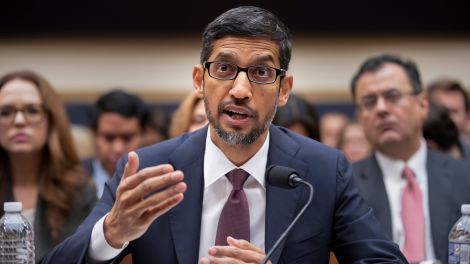
Background & Facts:
Federal regulators advanced antitrust cases targeting dominant technology companies, alleging anti-competitive practices across digital advertising, app marketplaces, and AI platforms.
Analysis & Impact:
Potential penalties and structural remedies could reshape the tech industry and global innovation dynamics.
Expert Insight:
The actions reflect bipartisan skepticism toward tech power and signal long-term regulatory realignment.
U.S. Energy Sector Expands LNG Exports Amid Global Demand Surge
Background & Facts:
American liquefied natural gas exports reached record levels as Europe and Asia seek alternatives to unstable energy suppliers.
Analysis & Impact:
Exports boost U.S. trade and geopolitical leverage but raise domestic price concerns.
Expert Insight:
Energy analysts see LNG as a bridge fuel in the clean energy transition.
Climate Infrastructure Funding Accelerates Nationwide Projects
Background & Facts:
Federal infrastructure programs advanced major climate-resilience and transportation projects across multiple states.
Analysis & Impact:
Projects promise long-term economic gains but face local opposition and cost overruns.
Expert Insight:
Experts say infrastructure investment is becoming central to climate adaptation strategy.
China-U.S. Military Talks Resume After Months of Tension

Background & Facts:
Senior defense officials from Washington and Beijing resumed dialogue aimed at reducing miscalculation risks.
Analysis & Impact:
Talks ease immediate tensions but fail to resolve core disputes over Taiwan and the South China Sea.
Expert Insight:
Strategists see communication as risk management, not reconciliation.
Corporate Earnings Reveal Resilient Consumer Spending
Background & Facts:
Major retailers reported steady earnings, suggesting consumers remain active despite inflation pressures.
Analysis & Impact:
Strong spending supports economic growth but may complicate inflation control.
Expert Insight:
Analysts warn consumer resilience may not be permanent.
Immigration Policy Debate Intensifies Ahead of Election Year
Background & Facts:
Lawmakers renewed debate over border security, asylum processing, and work visas.
Analysis & Impact:
Immigration remains a defining political issue with economic and humanitarian implications.
Expert Insight:
Policy uncertainty reflects deeper demographic and labor market realities.
U.S. Expands Sanctions Targeting Russian Financial Networks
Background & Facts:
Washington announced new sanctions targeting entities supporting Russia’s war economy.
Analysis & Impact:
Sanctions pressure Moscow but strain global financial systems.
Expert Insight:
Experts say enforcement effectiveness will define future impact.
AI Regulation Gains Momentum in Congress
Background & Facts:
Bipartisan lawmakers introduced frameworks governing AI safety, transparency, and data use.
Analysis & Impact:
Regulation could shape innovation while addressing public concerns.
Expert Insight:
The U.S. aims to lead global AI governance standards.
Public Trust in Institutions Shows Signs of Stabilization

Background & Facts:
New surveys indicate slight improvement in public confidence toward government and media.
Analysis & Impact:
Restored trust could improve civic engagement and policy effectiveness.
Expert Insight:
Sociologists caution recovery remains fragile amid polarization.