
White House Intensifies Negotiations as Congress Faces Budget Deadline Pressure
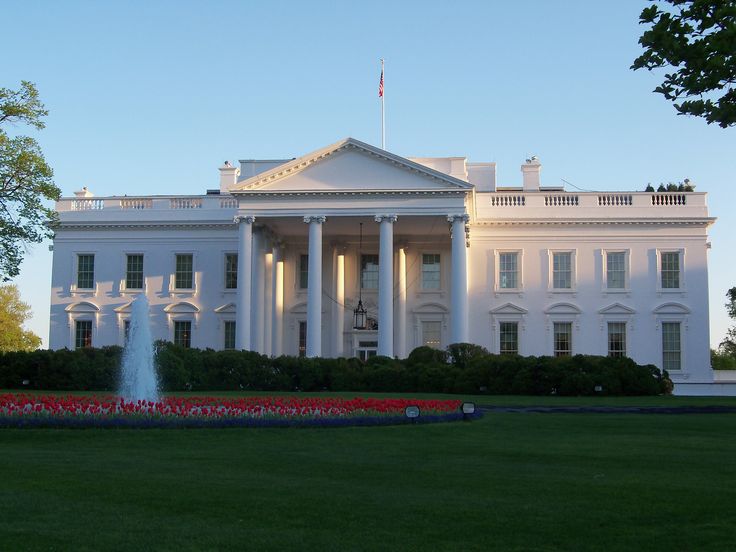
Background & Facts (What Happened):
With a federal funding deadline approaching, the White House and congressional leaders from both parties entered intensified negotiations to avoid a partial government shutdown. The talks focus on discretionary spending levels, defense allocations, border security funding, and domestic program priorities. While Senate leaders have signaled cautious optimism, divisions remain in the House, particularly among fiscal conservatives pushing for deeper spending cuts. The administration has emphasized the economic and national security risks of a shutdown, while Republicans argue for fiscal restraint amid rising deficits.
Analysis & Impact:
In the short term, uncertainty surrounding federal funding weighs on markets, federal agencies, and public confidence. A shutdown, even brief, would disrupt government services, delay pay for federal workers, and inject volatility into financial markets. Longer term, repeated budget brinkmanship reinforces perceptions of governance instability, complicating U.S. creditworthiness and long-range policy planning. Internationally, allies closely watch Washington’s ability to govern effectively, particularly amid global security crises.
Expert Insight / Broader Meaning:
The standoff highlights structural dysfunction in the U.S. budget process and underscores how partisan polarization increasingly shapes fiscal policy. Analysts suggest that without reform to appropriations rules, shutdown risks will remain a recurring feature of American governance rather than an exception.
Federal Reserve Signals Caution as Inflation Progress Slows
Background & Facts (What Happened):
Federal Reserve officials indicated they are not yet ready to begin interest rate cuts, citing mixed inflation data and continued strength in the labor market. While inflation has moderated from its 2022 peak, recent readings suggest price pressures remain uneven across housing, services, and energy. Fed Chair Jerome Powell emphasized the need for “greater confidence” before adjusting monetary policy, reinforcing a data-dependent stance.
Analysis & Impact:
The Fed’s caution has immediate implications for borrowing costs, housing markets, and business investment. Mortgage rates remain elevated, dampening housing affordability, while higher interest expenses strain small businesses and consumers. Over the longer term, prolonged restrictive policy increases recession risks, though it may also anchor inflation expectations more firmly, preserving central bank credibility.
Expert Insight / Broader Meaning:
Economists view the Fed’s position as a balancing act between inflation control and economic momentum. The message signals that monetary easing will be gradual, reinforcing a “higher for longer” environment that reshapes consumer behavior, corporate strategy, and fiscal policy debates.
U.S. Expands Sanctions Linked to Russia’s War Economy
Background & Facts (What Happened):
The Biden administration announced a new round of sanctions targeting Russian financial institutions, defense suppliers, and third-country entities accused of facilitating Moscow’s war effort in Ukraine. The measures aim to restrict access to critical technologies, energy revenues, and military components, while reinforcing coordination with European and Asian allies.
Analysis & Impact:
In the near term, the sanctions further constrain Russia’s economic flexibility, though enforcement challenges persist. Energy markets remain sensitive to geopolitical disruptions, while global supply chains continue adapting to sanctions-driven trade rerouting. Long term, sustained economic pressure could erode Russia’s industrial capacity, but may also accelerate bloc-based economic fragmentation.
Expert Insight / Broader Meaning:
Strategists argue the sanctions demonstrate Washington’s commitment to long-term containment rather than quick resolution. The approach reflects a broader shift toward economic statecraft as a primary tool of U.S. foreign policy in great-power competition.
Pentagon Reviews Force Posture Amid Rising Global Threats

Background & Facts (What Happened):
The Department of Defense confirmed an ongoing review of U.S. military force posture, focusing on readiness, global deployments, and modernization priorities. The review comes amid continued conflict in Ukraine, instability in the Middle East, and heightened tensions in the Indo-Pacific. Officials stressed the need to balance deterrence with resource constraints.
Analysis & Impact:
Short term, adjustments could affect troop rotations, defense spending priorities, and alliance coordination. Long term, the review may reshape how the U.S. projects power, emphasizing advanced technologies, joint operations, and burden-sharing with allies. The findings will influence future defense budgets and strategic planning.
Expert Insight / Broader Meaning:
Defense analysts see the review as recognition that the U.S. faces simultaneous, multi-theater challenges. The outcome may signal a transition from legacy force structures toward more agile, technology-driven deterrence models.
Artificial Intelligence Regulation Gains Bipartisan Momentum
Background & Facts (What Happened):
Lawmakers from both parties advanced discussions on AI oversight, focusing on transparency, national security risks, and workforce disruption. Congressional hearings featured testimony from technology executives, academics, and civil rights advocates, highlighting concerns over deepfakes, data misuse, and algorithmic bias.
Analysis & Impact:
In the short term, regulatory uncertainty affects tech investment and product development. Companies face pressure to self-regulate while awaiting clearer rules. Long term, federal AI standards could shape global norms, influence innovation pathways, and determine whether the U.S. maintains leadership against competitors such as China.
Expert Insight / Broader Meaning:
Experts view the bipartisan tone as significant, suggesting AI governance may avoid the paralysis seen in other tech debates. The challenge will be crafting rules that protect society without stifling innovation.
Wall Street Rallies as Corporate Earnings Exceed Expectations

Background & Facts (What Happened):
Major U.S. stock indices posted gains after several large corporations reported stronger-than-expected earnings, driven by resilient consumer demand and cost-cutting measures. Technology and financial sectors led the rally, while investors continued to monitor interest rate signals.
Analysis & Impact:
The rally boosts investor confidence and household wealth in the near term. However, analysts warn that earnings growth may slow if borrowing costs remain high and consumer spending weakens. Long term, market performance will depend on productivity gains, wage growth, and macroeconomic stability.
Expert Insight / Broader Meaning:
Market strategists interpret the rally as evidence of economic resilience rather than exuberance. Still, they caution that structural risks—including debt levels and geopolitical shocks—remain underpriced.
U.S. and China Resume High-Level Diplomatic Talks
Background & Facts (What Happened):
Senior U.S. and Chinese officials held renewed diplomatic meetings aimed at stabilizing bilateral relations. Discussions covered trade disputes, military communication channels, climate cooperation, and regional security concerns. Both sides emphasized managing competition responsibly.
Analysis & Impact:
Short term, dialogue reduces miscalculation risks, particularly in the Taiwan Strait. Markets often respond positively to diplomatic engagement. Long term, however, fundamental strategic rivalry persists, limiting the scope of cooperation.
Expert Insight / Broader Meaning:
Analysts see the talks as pragmatic crisis management rather than rapprochement. The relationship is evolving into sustained competition with selective cooperation, shaping global geopolitics for decades.
Supreme Court Weighs Case with Major Regulatory Implications
Background & Facts (What Happened):
The Supreme Court heard arguments in a case challenging the authority of federal agencies to interpret ambiguous statutes. The outcome could redefine how regulations are crafted and enforced across sectors including environment, finance, and healthcare.
Analysis & Impact:
In the near term, uncertainty complicates compliance planning for businesses and regulators. Long term, a ruling limiting agency power could shift policymaking influence back to Congress and courts, potentially slowing regulatory responses to emerging challenges.
Expert Insight / Broader Meaning:
Legal scholars describe the case as pivotal in the balance of power between branches of government, with consequences extending far beyond the immediate dispute.
Climate Investment Drives Expansion of U.S. Clean Energy Projects

Background & Facts (What Happened):
Federal incentives and private capital continue fueling growth in renewable energy projects, including solar, wind, and battery storage. Several states announced major infrastructure investments aligned with national climate goals.
Analysis & Impact:
Short term, projects create jobs and stimulate regional economies. Long term, expanded clean energy capacity enhances energy security, reduces emissions, and reshapes industrial supply chains.
Expert Insight / Broader Meaning:
Energy analysts view the momentum as evidence that climate policy is increasingly tied to economic competitiveness, not just environmental protection.
Immigration Enforcement Debate Intensifies Ahead of Elections
Background & Facts (What Happened):
Immigration policy returned to the forefront as border crossings remain elevated and state-federal tensions grow. Lawmakers proposed competing bills addressing asylum procedures, enforcement resources, and humanitarian protections.
Analysis & Impact:
In the short term, policy uncertainty strains border communities and migrants alike. Politically, the issue energizes voters across the spectrum. Long term, failure to pass comprehensive reform perpetuates systemic challenges.
Expert Insight / Broader Meaning:
Analysts argue immigration remains one of the clearest examples of policy paralysis, where political incentives consistently outweigh long-term solutions.
Major Tech Firms Announce Workforce Restructuring
Background & Facts (What Happened):
Several technology companies revealed layoffs and internal restructuring as they prioritize artificial intelligence investments and operational efficiency. Executives cited shifting demand and cost discipline.
Analysis & Impact:
Short term, layoffs affect regional labor markets and consumer sentiment. Long term, workforce restructuring reflects a broader transition toward automation and high-skill roles, altering employment patterns.
Expert Insight / Broader Meaning:
Economists see this as part of a cyclical reset rather than a collapse, signaling how AI adoption is reshaping corporate strategy.
NATO Reinforces Eastern Flank Amid Regional Tensions

Background & Facts (What Happened):
NATO allies announced enhanced troop rotations and exercises in Eastern Europe, citing ongoing security concerns linked to Russia’s actions. U.S. forces play a central role in deterrence efforts.
Analysis & Impact:
The measures reassure allies and signal alliance cohesion. However, they also increase the risk of escalation if misinterpreted by adversaries. Long term, sustained deployments strain defense budgets.
Expert Insight / Broader Meaning:
Security experts view the reinforcement as a clear message that NATO intends to deter aggression through visible presence rather than rhetoric.
Consumer Confidence Shows Modest Improvement
Background & Facts (What Happened):
New survey data indicated a slight rise in consumer confidence, driven by easing inflation expectations and steady employment. Concerns over housing costs and healthcare expenses persist.
Analysis & Impact:
Improved sentiment supports short-term spending, helping sustain economic growth. Long term, confidence will hinge on wage growth and affordability trends.
Expert Insight / Broader Meaning:
Economists caution that sentiment remains fragile, vulnerable to shocks from interest rates or geopolitical events.
Infrastructure Modernization Advances Under Federal Programs
Background & Facts (What Happened):
Transportation and water infrastructure projects funded by recent federal legislation reached new milestones, including bridge repairs and broadband expansion in rural areas.
Analysis & Impact:
Short term, construction boosts employment. Long term, modern infrastructure enhances productivity, safety, and regional equity.
Expert Insight / Broader Meaning:
Policy analysts see infrastructure spending as one of the most tangible ways government action affects daily life and economic competitiveness.
Public Trust in Institutions Remains a Central Policy Challenge
Background & Facts (What Happened):
Recent polling shows continued skepticism toward government, media, and corporate leadership, despite economic resilience. Trust varies sharply along partisan and generational lines.
Analysis & Impact:
Low trust complicates policy implementation and crisis response. Long term, it threatens democratic stability and social cohesion.
Expert Insight / Broader Meaning:
Scholars argue rebuilding trust requires consistent governance outcomes, transparency, and accountability—factors increasingly demanded by an informed but skeptical public.