
Internal Republican Tensions Rise as Trump Labels Key Lawmaker ‘Lowlife’ Ahead of 2026 Campaign
Background & Facts (What Happened):
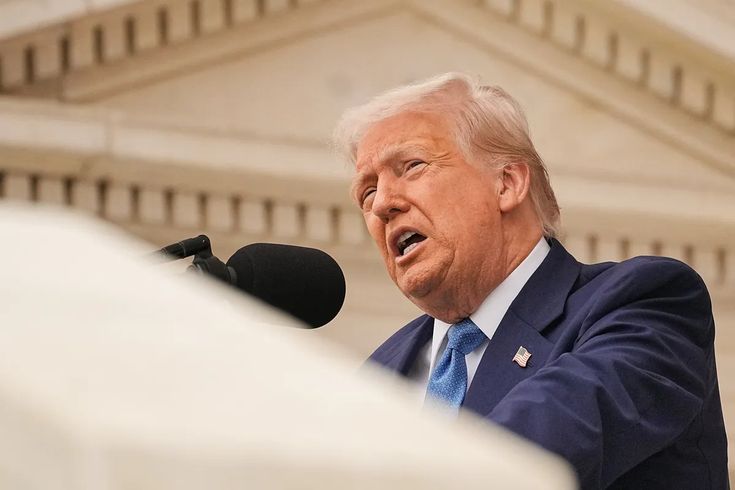
President Donald Trump has reignited intra-party conflict by referring to Republican Congressman Thomas Massie of Kentucky as a “lowlife” following Massie’s co-authorship of the Epstein Files Transparency Act, legislation that would compel the release of federal files related to Jeffrey Epstein. The incendiary language appeared on social media and was soon leveraged by Massie in fundraising appeals, drawing nearly $3,000 shortly after his response. The dispute highlights fractures within GOP ranks as the party prepares for the 2026 midterm elections. Trump’s comment followed broader dissatisfaction among Republican voters and was accompanied by public calls from the president for Senate Republicans to eliminate the filibuster, suggesting an aggressive legislative posture despite internal disagreements over priorities. Meanwhile, broader reporting suggests Trump’s approval ratings have declined, particularly among younger and Latino voters, indicating potential vulnerabilities as Republicans face divided control of Congress.
Analysis & Impact:
In the short term, this exchange underscores rising tensions within the Republican Party and complicates efforts by party leadership to present a unified front in the 2026 campaign cycle. The use of pejorative language from a sitting president against a fellow Republican signals a breakdown in intra-party discipline, potentially energizing factions opposed to Trump’s leadership. Such disputes can distract from legislative agendas and weaken the party’s ability to coalesce around key policy priorities, including budget negotiations and judicial confirmations.
In the long term, these internal conflicts may reshape GOP electoral dynamics, particularly if influential figures choose to distance themselves from the Trump wing or mount alternative leadership efforts. For voters and donors, the headline noise may diminish broader confidence in the party’s coherence at a moment when economic and foreign policy debates (principally on immigration and trade) remain salient.
Expert Insight / Broader Meaning:
This episode signals a broader trend in contemporary American politics where personality and branding increasingly overshadow policy coherence and institutional norms. Analysts suggest that Trump’s confrontational posture is strategic—aimed at consolidating his base ahead of primaries—but risks alienating moderate Republicans and independents. The episode also highlights the continuing influence of social media as a platform for political skirmishes that have real consequences for fundraising, public messaging, and party cohesion. As the 2026 midterms approach, intra-party fractures within the GOP could influence candidate recruitment, campaign strategy, and voter turnout patterns, with implications for both chambers of Congress.
Ukraine’s Zelenskyy to Meet Trump in Florida as Peace Talks Near Critical Stage
Background & Facts (What Happened):
Ukrainian President Volodymyr Zelenskyy is scheduled to meet with U.S. President Donald Trump in Florida in a high-stakes diplomatic effort aimed at advancing a peace plan to end the nearly four-year conflict between Ukraine and Russia. The meeting is set against a backdrop of intensified Russian strikes on Ukrainian energy infrastructure and increased pressure on international partners to sustain Kyiv’s defense. Zelenskyy has signaled willingness to consider abandoning Ukraine’s NATO ambitions in exchange for robust security guarantees from the United States and European allies, though Russia’s response to such proposals remains uncertain.
Prior to the Florida meeting, officials indicated that Kyiv’s revised peace framework was largely completed, with approximately 90 percent of details agreed upon domestically. However, core elements—including territorial integrity, security guarantees, and postwar recovery frameworks—remain unresolved.
Analysis & Impact:
In the immediate term, this diplomatic engagement elevates U.S. involvement in negotiating the conflict’s trajectory, presenting both opportunities and risks. Progress in talks could potentially de-escalate fighting and set the foundation for a lasting ceasefire, impacting global energy markets and security alliances in Europe. Conversely, pressure to reach a diplomatic breakthrough could lead to contentious decisions that divide U.S. policymakers and allied governments, especially if compromises on territorial sovereignty are considered.
Longer-term, successful negotiations could reshape geopolitical alignments, particularly in Eastern Europe, and bolster U.S. diplomatic leadership. However, any perception of concession to Russian demands could undermine Ukraine’s negotiating position and embolden Moscow’s regional ambitions. The peace dialogue also influences U.S. relations with NATO allies, many of whom seek sustained support for Ukraine’s defense while urging strategic caution.
Expert Insight / Broader Meaning:
Diplomats and analysts view the Zelenskyy-Trump talks as emblematic of the current phase of the Ukraine conflict—one where battlefield stalemate, economic strain, and geopolitical fatigue are pushing all parties toward diplomatic solutions. The initiative demonstrates U.S. willingness to act as mediator, yet it also highlights the complex interplay between military realities and political pressures. For Washington, sustaining credibility requires balancing support for Ukrainian sovereignty with realistic pathways to conflict resolution. The outcome may have long-lasting implications for U.S. leadership in global security frameworks and for the future of European stability.
Democratic-Led States Sue to Reinstate CFPB Funding in Legal Challenge to Trump Administration
Background & Facts (What Happened):
A coalition of 21 Democratic-led states and the District of Columbia filed a federal lawsuit in Oregon challenging the Trump administration’s effective defunding of the Consumer Financial Protection Bureau (CFPB). The plaintiffs allege that the administration’s failure to request continued funding from the Federal Reserve—mandated under the Dodd-Frank Act—violates the Constitution by undermining Congress’s authority to appropriate funds and crippling the agency’s core consumer protection functions.
The CFPB, created after the 2008 financial crisis, has returned more than $21 billion to consumers through enforcement actions and complaint resolutions. Under current leadership, the Trump administration scaled back CFPB activities and declined to seek further funding authorization from the Fed, leading to operational constraints. Additional lawsuits have been filed by unions and nonprofits in Washington, D.C., and California seeking similar relief.
Analysis & Impact:
In the short term, the lawsuit underscores escalating legal and political tensions surrounding financial regulation and executive authority. The CFPB’s operational constraints have already impacted consumer protections related to mortgages, credit cards, and debt collection practices, creating uncertainty for financial institutions and households alike. A favorable ruling for the states could restore funding and revitalize the agency’s regulatory oversight, while a defeat could embolden future administrations to sidestep statutory funding mechanisms for independent agencies.
Long term, this legal confrontation may reshape the balance of power between the executive branch and Congress over agency funding, potentially altering the landscape of administrative governance. The case could set precedent on how independent regulatory bodies are funded and controlled, with implications for sectors ranging from banking to telecommunications. For consumers, the outcome will influence the availability of enforcement actions against unfair or deceptive financial practices.
Expert Insight / Broader Meaning:
Legal scholars see this lawsuit as part of a broader trend in which states are increasingly willing to challenge federal executive actions in court. It reflects deeper partisan disputes over the role of regulation in markets and consumer protection. The CFPB’s legal fate may also influence ongoing policy debates about financial stability, regulatory reach, and the implementation of Dodd-Frank reforms. If the court enforces strict adherence to statutory funding rules, it could curb executive flexibility but reinforce legislative prerogatives in the federal budget process.
U.S. Economy Posts Strongest Growth in Two Years, Driven by Consumer Spending and Exports

Background & Facts (What Happened):
Recent government data show that the U.S. economy expanded at an annualized rate of approximately 4.3 percent in the third quarter of 2025, marking the most robust growth in two years. The acceleration exceeded economists’ expectations and was supported by resilient consumer spending, strength in healthcare and computing sectors, rising exports, and increased government defense expenditures. Net trade contributed positively to the growth figure, while imports declined modestly. Despite this headline performance, consumer confidence in December fell to one of its lowest levels in five years, highlighting persistent economic anxiety among households. Inflation readings hovered above the Federal Reserve’s preferred targets, complicating expectations for future monetary policy moves.
Analysis & Impact:
In the short term, strong GDP growth offers policymakers a favorable data point to counter concerns about stagnation amid lingering inflation and labor market softness. The expansion reflects broad economic participation across sectors, including durable goods and services, which supports ongoing labor demand and corporate investment plans. However, the decline in consumer confidence suggests vulnerability in household sentiment that may temper spending in the fourth quarter, especially as inflationary pressures persist in key categories such as housing and energy costs.
Over the long term, the sustainability of elevated growth faces questions due to uneven confidence and sectoral imbalances. Persistently high consumer prices could limit real wage gains and dampen discretionary spending. Additionally, the positive external trade contribution depends in part on global demand conditions, which remain subject to geopolitical risks and supply chain disruptions.
Expert Insight / Broader Meaning:
Economists interpret this growth as evidence of underlying economic resilience but caution that headline figures may mask structural challenges. The interplay between consumer sentiment, inflation dynamics, and monetary policy will be central to 2026 projections. A continued reliance on domestic demand and export performance could mitigate recession risks but also underscore the need for targeted fiscal and supply-side reforms to enhance long-term productivity and workforce participation.
Federal Government Charity Campaign Posts Sharp Declines in Donations Following Administrative Changes
Background & Facts (What Happened):
The Combined Federal Campaign (CFC), the long-standing charity fundraising initiative for federal employees, has experienced an unprecedented drop in donations under the current administration. Traditionally, the CFC has raised billions since its inception in the 1960s, but as of late December 2025, only $23 million had been collected—far below typical year-end totals. Factors cited include a delayed campaign start, administrative restructuring, and the elimination of contracts with organizing entities.
The Office of Personnel Management extended the campaign through January, but critics argue that the reduction in support infrastructure and the backdrop of a prolonged federal government shutdown have diminished participation. Nonprofits and charities reliant on CFC funds have warned of significant operational challenges if funding trends do not rebound.
Analysis & Impact:
In the short term, the steep decline in campaign contributions limits financial resources available to charities that support vulnerable populations, community services, and disaster relief efforts. Many nonprofits plan budgets based on expected CFC revenue, and shortfalls could result in program cuts or reduced service delivery. For federal employees, declining contributions may also reflect broader morale issues stemming from employment instability, furloughs, and administrative shifts.
Longer term, the campaign’s decline raises questions about institutional support structures for public service philanthropy. The changes may reduce federal employees’ engagement in charitable giving and prompt reconsideration of how workplace giving programs are administered and incentivized. If the trend persists, it could reshape the landscape of nonprofit funding and highlight the broader societal impacts of government workforce policy and administrative decisions.
Expert Insight / Broader Meaning:
Analysts view the sharp drop in CFC donations as symptomatic of deeper shifts in public sector morale and civic participation. Philanthropy experts note that federal workplace giving has historically been a significant conduit for sustained support of community initiatives. Diminished participation not only affects immediate charity funding but may also weaken long-term donor habits among federal workers. The decline underscores broader debates about the role of government in promoting civic engagement and supporting social safety nets through direct and indirect mechanisms.
U.S. Naval Operations in Caribbean Intensify as Caracas Sanctions and Seizures Increase Pressure on Maduro Regime

Background & Facts (What Happened):
The United States has escalated naval and sanction efforts targeting Venezuela’s oil trade and government operations in December 2025, aiming to exert pressure on the administration of Nicolás Maduro. U.S. forces, including elements from the USS Gerald R. Ford, seized a sanctioned oil tanker off Venezuela’s coast in mid-December—part of a broader campaign to disrupt illicit shipments that violate existing sanctions. The U.S. Treasury has moved to designate the Maduro government as a Foreign Terrorist Organization alongside additional sanctions on related shipping and oil interests. The strategic pressure campaign seeks to weaken Maduro’s oil revenue base, which is central to his regime’s financial stability.
Analysis & Impact:
In the short term, these actions heighten tensions in the Caribbean and Latin America, creating diplomatic strains with regional partners and complicating Caracas’s efforts to leverage oil exports for economic survival. The naval operations signal U.S. willingness to enforce sanctions with kinetic measures rather than relying exclusively on financial penalties. Such escalations carry risk: unintended incidents at sea could prompt international backlash or provoke broader geopolitical responses.
Long term, sustained U.S. pressure could diminish Maduro’s capacity to maintain control over Venezuelan institutions and revenue streams, potentially accelerating internal political fracturing. However, the approach also risks entrenching defiance within the Maduro government and reinforcing narratives of external aggression. The prospect of further seizures or blockade actions will likely shape Caracas’s diplomatic overtures and influence how other state and non-state actors interact with Venezuelan oil trade networks.
Expert Insight / Broader Meaning:
Defense and foreign policy experts see the Caribbean operations as emblematic of a more assertive U.S. posture toward authoritarian regimes that leverage natural resources for geopolitical leverage. By targeting oil shipments directly, the United States complicates Maduro’s economic lifelines but also signals a willingness to blur traditional lines between economic sanctions and military enforcement. This strategy may influence U.S. engagements with other sanctioned states, affect global energy markets by constraining Venezuelan crude flows, and shape regional perceptions of U.S. power projection in the Western Hemisphere.
Winter Weather Disrupts Travel and Infrastructure in Northeastern United States
Background & Facts (What Happened):
Severe winter weather swept across multiple states in the northeastern United States, prompting travel disruptions, hazardous road conditions, and weather advisories from national meteorological services. The storm system brought heavy snowfall, strong winds, and freezing temperatures, leading to flight cancellations, interstate closures, and increased demand for emergency services during one of the busiest travel weeks of the year. Utility companies mobilized crews to address power outages, while state and local governments advised residents to avoid non-essential travel and prepare for prolonged cold conditions.
Analysis & Impact:
In the short term, winter storms have direct public safety implications, affecting transportation networks, logistical operations, and emergency response systems. Delays and cancellations in air and ground travel can ripple through supply chains, strain airport infrastructure, and increase costs for freight carriers. Households face elevated heating needs combined with potential disruptions to electricity and road access, which can contribute to economic and human stress during the holiday period.
Long term, recurring extreme winter events underscore the infrastructure and climate resilience challenges facing U.S. states as weather patterns become more volatile. Investments in grid modernization, stormwater management, and transportation system adaptation are increasingly necessary to mitigate the impact of such storms. The frequency and intensity of weather events also weigh on insurers, municipal budgets, and long-term planning priorities.
Expert Insight / Broader Meaning:
Meteorologists and climate analysts note that while individual storms are driven by short-term atmospheric conditions, the broader pattern of extreme weather events is consistent with climate models that predict increased variability and intensity. The northeastern storm highlights the need for integrated approaches to climate adaptation and infrastructure modernization. As states grapple with these realities, there may be growing public and political support for targeted investments in resilience, especially in transportation and energy sectors that are vulnerable to weather extremes.
U.S. Airstrikes Against ISIS in Nigeria Prompt Policy and Public Response
Background & Facts (What Happened):
U.S. military forces conducted targeted airstrikes against Islamic State affiliates in northwest Nigeria in coordination with the Nigerian government, marking a continuation of America’s counter-terrorism strategy in Africa. The operations, carried out over the Christmas period, aimed to degrade extremist capabilities and protect civilian populations threatened by militants linked to the broader Islamic State network. Republican lawmakers generally welcomed the action as a reaffirmation of U.S. commitment to global security efforts, while some analysts cautioned that external military interventions may oversimplify complex regional dynamics and could carry unintended political consequences for local communities.
Analysis & Impact:
In the short term, the airstrikes signal sustained U.S. engagement in counter-terrorism beyond traditional theaters, reinforcing partnerships with regional governments and intelligence networks. These operations can disrupt imminent threats and limit extremist recruitment while demonstrating capacity to mobilize precision capabilities. However, such interventions also risk politicization at home, where public opinion is increasingly sensitive to overseas military commitments that lack clear exit strategies or long-term frameworks for stabilization.
Longer term, continued military action in Africa could strain U.S. defense resources and complicate broader strategic priorities, especially as policymakers balance counter-terrorism efforts with great-power competition in the Indo-Pacific and Europe. Regional instability in West Africa also intersects with humanitarian challenges, including displacement, governance deficits, and economic insecurity.
Expert Insight / Broader Meaning:
Security analysts note that U.S. engagement against ISIS in Nigeria reflects a post-9/11 legacy of counter-terrorism that persists despite shifting global priorities. While tactical gains are achievable through partnered strikes, strategic success requires comprehensive approaches that combine military pressure with diplomatic support, development assistance, and regional institution strengthening. The challenge for U.S. foreign policy is harmonizing these dimensions without overextending military commitments or fueling perceptions of external interference.
U.S. Consumer Confidence Declines to Multi-Month Low Amid Economic Strain

Background & Facts (What Happened):
Recent economic data indicate that U.S. consumer confidence has fallen to its lowest level since earlier in 2025, as households confront rising costs of living, inflation pressures, and ongoing uncertainty linked to fiscal and policy developments. The Conference Board’s index showed a notable decline, reflecting growing concerns about job security, personal finances, and overall economic prospects. Analysts cite a combination of factors contributing to waning confidence, including tariff-induced price fluctuations, elevated energy costs, and anxieties about future monetary policy and economic growth.
Analysis & Impact:
In the near term, declining consumer confidence can dampen spending, particularly on discretionary goods and services, which comprise a significant portion of U.S. GDP. Reduced consumer outlays may slow economic momentum, prompting businesses to reassess inventory, hiring, and investment strategies. Lower consumer morale also influences financial markets, as investor sentiment often correlates with public perception of economic stability.
Over the long term, sustained low confidence poses risks to economic resilience, particularly if it translates into prolonged reductions in household expenditure. Consumer behavior drives much of the U.S. economy, and prolonged pessimism can exacerbate downturns, intensify labor market weakness, and weaken corporate earnings.
Expert Insight / Broader Meaning:
Economists view consumer confidence as a leading indicator of economic trends, shaping forecasts for growth, inflation, and policy responses. The current decline underscores the fragility of economic optimism in the face of persistent pressures. While headline GDP growth has been strong, underlying sentiment illustrates that many Americans still feel financially insecure. This divergence between macroeconomic indicators and public perception may prompt policymakers to reconsider fiscal support measures, safety net enhancements, or regulatory interventions aimed at stabilizing household finances.
Winter Travel and Aviation Operations Impacted by Seasonal Weather Patterns Nationwide
Background & Facts (What Happened):
Severe seasonal weather in the United States has led to disruptions in travel and aviation operations across multiple regions as winter storms brought snow, ice, and hazardous conditions. National weather services issued alerts, and airlines reported delays and cancellations during a key period for holiday travel. Road travel was hampered by slick surfaces and reduced visibility, leading to increased demand for emergency services and snow removal operations. Utilities and transportation agencies mobilized resources to address outages and clear critical infrastructure corridors.
Analysis & Impact:
Short-term effects of these conditions include inconvenience for travelers, increased operational costs for airlines and ground transportation providers, and heightened safety risks for commuters. The economic impact is felt in lost productivity, additional fuel consumption, and emergency service expenditures. Winter weather also tests public infrastructure, particularly in states unaccustomed to high volumes of snow and ice, straining local budgets and response capabilities.
Longer-term, frequent or severe seasonal storms highlight the importance of resilient infrastructure planning, especially as climate variability contributes to atypical patterns of precipitation and temperature swings. Investment in weather-ready transportation systems, robust energy grids, and advanced forecasting technologies is increasingly viewed as necessary to minimize disruptions and protect economic continuity.
Expert Insight / Broader Meaning:
Climate scientists observe that while individual weather events cannot be directly attributed to broader climate change, the increasing frequency of extreme events aligns with projections of greater atmospheric volatility. The strain on public works underscores the need for adaptive policy that incorporates climate resilience into transportation, utilities, and emergency management planning. Building such capacity is essential to mitigate economic and human impacts as weather patterns evolve.
U.S. Government Shutdown Fallout Continues to Affect Economic Data and Policy Processes
Background & Facts (What Happened):
Despite the federal government reopening following the longest shutdown in U.S. history earlier in 2025, its lingering effects continue to disrupt economic data collection and policy planning. Key agencies responsible for compiling employment, inflation, and economic output statistics experienced operational delays or suspensions during the shutdown, creating gaps in critical datasets. Comprehensive reports such as the consumer price index, GDP releases, and labor market statistics were delayed or incomplete, leaving analysts and policymakers without timely information to guide decisions. The shutdown also furloughed hundreds of thousands of federal workers, contributed to service backlogs, and raised concerns about the resilience of government functions during budget impasses.
Analysis & Impact:
In the short term, the absence of reliable economic data complicates the Federal Reserve’s ability to calibrate monetary policy effectively. Without up-to-date inflation and labor figures, the central bank must rely on partial or lagged datasets, increasing uncertainty around interest rate decisions and potentially exacerbating market volatility. Businesses and investors also face challenges in planning without accurate benchmarks for consumer demand, price stability, and labor conditions.
Over the long term, the fallout from the shutdown underscores structural vulnerabilities in how economic information is produced and distributed. Persistent data gaps impede forecasting accuracy and weaken the transparency that markets depend on. These disruptions can ripple through financial systems, dampen investment confidence, and skew public understanding of economic conditions.
Expert Insight / Broader Meaning:
Economists emphasize that robust data infrastructure is a cornerstone of effective policymaking and market functioning. The extended interruption demonstrates the risks posed by political conflicts over appropriations and fiscal management. As the U.S. approaches future budget deadlines, reforms aimed at insulating key statistical agencies from funding volatility may gain traction among analysts seeking to shore up economic governance.
U.S. Federal Debt Nears Historic Highs Amid Growing Fiscal Concerns
Background & Facts (What Happened):
U.S. federal government debt has continued its upward trajectory, reaching approximately $38 trillion in late 2025. The rapid accumulation reflects sustained budget deficits, driven by expansive fiscal measures, tax policy changes, and the aftereffects of prolonged shutdown-induced delays in revenue collection. The national debt has grown significantly in recent years, with projections indicating it may exceed previously established ceilings without legislative adjustments. The debt ceiling—a statutory cap on government borrowing—is currently set at around $41.1 trillion. Though extraordinary measures have historically prevented a formal default, policymakers remain vigilant about the economic risks of reaching the cap without agreement on fiscal policy and government spending priorities.
Analysis & Impact:
In the short term, elevated federal debt levels exert upward pressure on interest rates and complicate monetary policy objectives. Investors scrutinize U.S. creditworthiness, and markets may react to perceived fiscal instability with increased volatility. A debt burden of this scale also limits fiscal flexibility, making it more difficult for Congress and the White House to deploy large-scale stimulus spending in response to future economic downturns or external shocks.
Long term, sustained high debt relative to GDP poses structural challenges to economic growth and intergenerational equity. Debt servicing costs consume a growing share of federal outlays, crowding out discretionary spending on infrastructure, education, and research and innovation. High debt levels also heighten sensitivity to global interest rate fluctuations and foreign investor sentiment about U.S. Treasury securities.
Expert Insight / Broader Meaning:
Fiscal analysts caution that without deliberate policy adjustments—whether spending reforms, revenue enhancements, or entitlement program safeguards—the national debt trajectory may constrain long-term economic performance. The recent acceleration of debt growth, coupled with ongoing political divisions over budget priorities, suggests that fiscal discipline will be a central theme in U.S. economic policy debates in 2026 and beyond. The issue also intersects with broader strategic concerns, including dollar dominance, global monetary stability, and America’s capacity to respond to crises without triggering inflationary pressures.
Federal and State Authorities Navigate Legal and Policy Disputes Over Immigration and Enforcement
Background & Facts (What Happened):
Immigration policy remains a contentious issue in the United States, with federal and state governments at odds over enforcement priorities, legal frameworks, and humanitarian obligations. Recent developments include expanding travel restrictions affecting multiple African nations, court challenges to state-level enforcement actions, and ongoing debates over asylum procedures and border resource allocations. Advocates for reform argue that current policies prioritize enforcement over humane treatment of migrants, while supporters of tighter controls emphasize national security and border integrity. These disputes play out amid broader debates over federal preemption, state authority, and judicial oversight.
Analysis & Impact:
In the short term, policy fragmentation generates uncertainty for immigrants, legal practitioners, and local authorities responsible for implementation. Conflicting directives and enforcement standards complicate compliance for law enforcement and humanitarian organizations. The political salience of immigration also shapes legislative priorities and campaign narratives as policymakers seek to balance competing constituencies.
Longer term, unresolved disagreements over immigration policy may entrench systemic inefficiencies and legal gridlock. Without comprehensive legislative reform, the United States risks maintaining a patchwork of enforcement postures that vary significantly by jurisdiction, complicating national coherence and undermining trust in institutions.
Expert Insight / Broader Meaning:
Immigration remains one of the most enduring policy challenges in American governance. Analysts suggest sustainable solutions will require bipartisan engagement that reconciles security concerns with humanitarian imperatives. The evolution of immigration policy will also influence broader demographic trends, labor market dynamics, and international perceptions of U.S. commitment to human rights.
Federal and State Court Rulings Highlight Legal Battles Over Regulatory Authority
Background & Facts (What Happened):
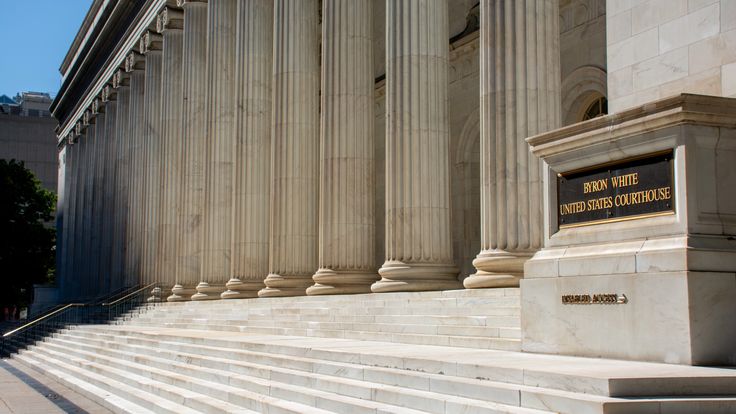
Recent judicial decisions at both federal and state levels have underscored ongoing tensions over regulatory authority across sectors including financial oversight, environmental policy, and technology standards. High-profile cases involving administrative agencies have reached appellate courts, challenging the scope of executive and legislative powers. These disputes often center on interpretations of statutory mandates, constitutional separation of powers, and the procedural legitimacy of agency actions.
Analysis & Impact:
Short term, judicial scrutiny of regulatory initiatives creates uncertainty for regulated industries and public stakeholders. Businesses, nonprofits, and government entities must navigate fluctuating legal landscapes where rules approved one day may be overturned the next. Investment decisions, compliance planning, and operational strategies are increasingly tied to legal outcomes rather than policy predictability.
Over the long term, these legal battles influence institutional balance within the U.S. system of governance. Courts that favor limiting agency discretion shift policymaking responsibility back towards Congress and the judiciary, potentially slowing regulatory responses to emerging societal challenges such as environmental protection, financial stability, and data privacy.
Expert Insight / Broader Meaning:
Legal scholars observe that these trends reflect broader debates about administrative governance and democratic accountability. As regulatory authority becomes a central battleground, clarity in statutory language and legislative intent becomes critical to sustaining coherent public policy. The outcomes of these court cases will shape the contours of U.S. institutional authority and may serve as precedent for future regulatory conflicts.
Advances and Setbacks in Clean Energy and Infrastructure Projects Across the United States
Background & Facts (What Happened):
Federal and state initiatives aimed at expanding clean energy capacity and upgrading infrastructure have produced mixed results in recent months. While some renewable energy projects have progressed under federal incentive frameworks, other initiatives—such as proposed offshore wind developments—have faced policy reversals based on security concerns. Infrastructure funding tied to transportation, broadband expansion, and water systems continues to create jobs and strengthen regional connectivity, but disputes over project priorities and regulatory reviews have slowed implementation in certain areas.
Analysis & Impact:
In the immediate term, infrastructure spending boosts local employment and supports supply chains for construction, energy, and technology sectors. This activity mitigates some economic headwinds and fosters economic inclusivity in rural and urban settings alike. However, setbacks in clean energy projects illustrate the policy trade-offs that can arise when security, environmental, and economic priorities intersect. Delays and reversals in renewable deployments may slow progress toward emissions reduction goals and raise costs for future development timelines.
Long term, the success of infrastructure modernization and clean energy transition will shape U.S. competitiveness in global markets. Well-executed projects can expand manufacturing, enhance grid resilience, and position the United States as a leader in climate technology. Conversely, fragmented policy implementation and regulatory uncertainty risk deterring investment and slowing deployment.
Expert Insight / Broader Meaning:
Infrastructure and energy policy experts emphasize the need for strategic coherence that balances economic development, environmental sustainability, and national security. Achieving this balance requires cross-sector collaboration, predictable regulatory frameworks, and long-term planning that transcends short-term political cycles. The interplay between federal initiatives and state priorities will be central to determining whether the United States can achieve its infrastructure and energy objectives in a rapidly evolving global context.