
1. Escalating U.S.–Iran Tensions Over Nationwide Protests
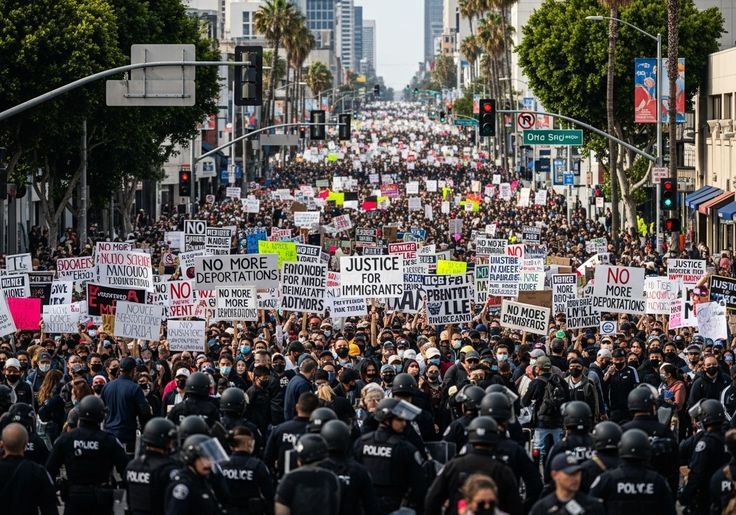
On January 14, 2026, the United States government issued stern warnings to Iranian authorities regarding the deadly crackdown on nationwide protests in Iran. U.S. President Donald Trump publicly threatened “very strong action” if Iran continues executions of detained protesters, signaling one of the most serious diplomatic standoffs in recent months. The situation stems from demonstrations triggered by economic hardship and political repression, which Iranian rights groups estimate have resulted in thousands of casualties. The U.S. is urging Tehran to respect human rights and is contemplating targeted sanctions and strategic pressure to force de-escalation. Iran’s government, for its part, has accused the U.S. of seeking to manufacture a pretext for military intervention, underscoring the fragile nature of regional stability. The Biden Administration’s criticism and Trump’s statements reflect a broader bipartisan concern in Washington about human rights abuses and the security implications of unrest in the Middle East.
2. U.S. Supreme Court and Trump Tariff Policy Under Intense Scrutiny
The U.S. Supreme Court appears poised to release decisions on cases affecting President Trump’s tariff regime, which if struck down could significantly weaken Washington’s trade leverage. Trump has warned that a negative ruling could jeopardize ongoing efforts to protect U.S. industries from what he calls “unfair foreign competition.” The tariffs, aimed largely at China and other strategic economic rivals, form a central plank of the Administration’s economic nationalism. Critics argue that these levies raise consumer prices, disrupt global supply chains, and risk retaliatory action.
Proponents counter that tariffs protect domestic manufacturing and incentivize companies to reshore critical industries. The Court’s upcoming rulings will be closely watched by investors and policymakers alike, as they have implications for global commerce, labor markets, and U.S. diplomatic relations. This legal flashpoint highlights the intersection of judicial review and executive economic policy at a time when America’s competitive position in advanced technologies remains strategically significant.
3. High-Level White House Meeting With Denmark and Greenland Officials
In Washington, D.C., Danish and Greenlandic foreign ministers met with U.S. Vice President J.D. Vance at the White House to address growing tensions over Greenland’s geopolitical status. President Trump reiterated his controversial stance that greater U.S. influence, possibly including strategic control of the Arctic territory, is critical for national security. The proposal has alarmed European allies, prompting diplomatic engagements to de-escalate. Greenland’s leadership has reaffirmed its commitment to autonomy and rejected external pressure, emphasizing that sovereignty matters for its people.
Strategists in Washington argue that control of Greenland would strengthen U.S. defense capabilities in the Arctic, where competition with Russia and China is intensifying. Critics warn that pushing territorial change undermines long-standing diplomatic norms and could strain alliances critical to NATO’s cohesion. The talks highlight how climate change and polar geopolitics are driving new fault lines in international relations, with the U.S. attempting to balance security interests with respect for alliances. The outcome is expected to influence Arctic policy and transatlantic relations in the months ahead.
4. Social Security Payments Begin for 2026 With Cost-of-Living Increase

On January 14, 2026, the U.S. Social Security Administration released the first wave of monthly Social Security benefits for the year, incorporating a 2.8% cost-of-living adjustment. This scheduled payment affects millions of retirees, disabled persons, and survivors receiving federal benefits. The COLA increase reflects efforts to keep pace with living costs amid inflationary pressures affecting healthcare, housing, and consumer goods. Beneficiaries whose birthdays fall early in the month typically receive payments on this date under SSA’s staggered schedule.
While the adjustment represents a modest boost, the net impact varies widely due to rising Medicare Part B premiums and other deductions that reduce take-home amounts. Economists note that Social Security remains a cornerstone of economic security for older Americans, with benefits providing much-needed income stability in uncertain economic times. The January payment also underscores ongoing debates in Washington about long-term sustainability of the program amid demographic shifts. Beneficiaries are encouraged to monitor statements carefully and plan finances accordingly as broader economic trends unfold.
5. Root Insurance Stock Plummets After Analyst Downgrade
Shares of Root, a prominent U.S. digital auto insurance provider, experienced a 5.6% drop in trading following a price-target reduction by a major financial analyst. Investors reacted sharply to the downgrade, interpreting it as a sign of potential headwinds ahead for the insurtech sector. Root’s model, which leans heavily on technology and usage-based pricing to attract customers, has faced profitability challenges that analysts cite as reasons for conservative forecasts. The stock’s volatility reflects broader market sensitivity toward tech-linked insurance firms, which often trade on growth narratives rather than current earnings.
Market watchers emphasize that the insurance industry is grappling with higher claims costs, regulatory scrutiny, and competition from incumbents investing in digital transformation. Root’s strategic response to the downgrade—possibly involving cost controls, diversification of products, or strategic partnerships—will be critical in shaping investor confidence. The episode highlights how shifts in analyst sentiment can materially impact stock performance in tech-oriented sectors deeply integrated with consumer behavior and risk assessment.
6. Trump Administration Signaling Support for Venezuelan Americans’ Release
The U.S. government heralded what it described as an “important step” in Venezuela’s release of detained American citizens. This development, confirmed by U.S. officials, reflects intensifying diplomatic engagement following political changes in Caracas. Though details remain limited, the release marks a notable shift after prolonged tensions between the countries and cycles of sanctions and geopolitical pressure. U.S. administrations have repeatedly pressed for the protection of U.S. citizens abroad, framing this breakthrough as a humanitarian victory.
Analysts suggest that this move could open channels for further dialogue and cooperation on broader issues, including economic reforms and energy markets. Venezuela’s interim leadership, under international scrutiny for legitimacy and human rights records, may view this gesture as a way to build diplomatic capital. The U.S. response underscores a strategic mix of pressure and engagement designed to secure citizen safety while maintaining leverage on global policy objectives. The successful release has been welcomed by advocacy groups and families of detainees, though long-term implications for bilateral ties remain to be seen.
7. Washington Post Highlights Extreme Weather and Public Health Updates
The January 14 edition of The Washington Post’s “The 7” podcast covered several critical issues impacting Americans today. Notable among these were extreme weather patterns due to an intense polar vortex bringing record-low temperatures to large swaths of the country. Such conditions have strained infrastructure, elevated energy demand, and challenged public safety systems in affected regions. The podcast also addressed evolving health guidance concerning red meat consumption and its links to chronic disease risks.
This public health conversation aligns with broader efforts to refine nutritional guidelines in light of emerging research. Additionally, cultural and social topics, including protest movements and civil rights discussions, featured prominently in this news roundup. The diversity of topics illustrates how Americans are navigating intersecting challenges—from climate stress and health concerns to civic discourse and geopolitical developments. The Washington Post’s coverage encapsulates key trends shaping national sentiment and policy focus.
8. NFL Legend Tom Brady Announces Return in Flag Football
In a stunning sports development, NFL legend Tom Brady announced his return to competitive play—not in the NFL, but in the burgeoning sport of flag football. Brady will feature in the high-profile Fanatics Flag Football Classic in Riyadh, Saudi Arabia, in March 2026, and may later compete for Team USA in flag football’s Olympic debut at the 2028 Los Angeles Games. At 51, Brady’s pivot from professional quarterback to ambassador and competitor in a new arena underscores his enduring influence. This move also signals flag football’s rising prominence on the global sports stage, supported by major media and commercial partners.
Fans and analysts alike are dissecting Brady’s impact on the sport’s growth trajectory, while commercial interests view this as a catalyst for expanded global engagement and youth participation. Brady’s dual role as competitor and documentary subject adds narrative heft that transcends the game itself, blending athletic legacy with cultural storytelling. The announcement has reignited excitement in the sports world, illustrating how veteran stars can shape and elevate emerging disciplines.
9. U.S. Housing Market Shows Signs of Stabilization Amid High Interest Rates

The U.S. housing market on January 14, 2026, showed early signs of stabilization after nearly two years of volatility driven by elevated mortgage rates and affordability challenges. New data from regional housing authorities indicates a slowdown in price declines in several major metropolitan areas, including parts of Texas, Florida, and the Midwest. While mortgage rates remain historically high, buyer sentiment is gradually improving as wages stabilize and inflation pressures ease. Homebuilders are adjusting strategies by offering incentives such as rate buy-downs and smaller, more affordable housing designs to attract first-time buyers.
Economists caution that the market is far from a full recovery, particularly in coastal cities where prices remain out of reach for many households. However, declining inventory and steady demand suggest a potential floor has been reached. The housing sector remains a key indicator of broader economic health, influencing consumer confidence, construction employment, and financial markets. Policymakers are closely monitoring trends as housing affordability continues to shape political and economic debates nationwide.
10. Pentagon Expands Cyber Defense Capabilities Against Foreign Threats
The U.S. Department of Defense announced expanded cyber defense initiatives aimed at countering escalating digital threats from foreign adversaries. Defense officials confirmed increased funding for cyber command units, advanced threat-detection systems, and partnerships with private-sector technology firms. The move comes amid rising concerns over attempted intrusions targeting critical infrastructure, including energy grids, transportation systems, and government networks. Pentagon leadership emphasized that future conflicts may be fought as much in cyberspace as on physical battlefields.
New protocols will allow faster coordination between military, intelligence agencies, and civilian infrastructure operators during cyber incidents. Lawmakers from both parties have broadly supported the expansion, viewing cybersecurity as a core national security priority. Critics, however, warn of oversight challenges and the risk of escalation in cyber conflict norms. The initiative underscores how modern defense strategy increasingly relies on digital resilience, deterrence, and rapid response in an era where cyber warfare has become a permanent feature of global competition.
11. Artificial Intelligence Regulation Gains Momentum in U.S. Congress
Artificial intelligence regulation returned to the forefront of congressional debate on January 14, 2026, as bipartisan lawmakers advanced new proposals focused on transparency, accountability, and national security. The legislation aims to require disclosure of AI-generated content, strengthen data privacy protections, and establish safety standards for advanced AI systems used in healthcare, finance, and defense. Supporters argue that rapid AI adoption has outpaced existing laws, creating risks ranging from misinformation to algorithmic discrimination.
Technology companies have urged lawmakers to balance regulation with innovation, warning that overly restrictive rules could undermine U.S. competitiveness. Public concern over deepfakes, automated decision-making, and job displacement has added urgency to the debate. Analysts note that the U.S. is attempting to chart a middle path between Europe’s strict regulatory approach and more laissez-faire models elsewhere. The outcome of these discussions could shape the global AI governance landscape and determine how emerging technologies are integrated into American society and economic growth.
12. U.S. Energy Sector Accelerates Grid Modernization Efforts
America’s energy sector intensified efforts to modernize the national power grid following recent extreme weather events that exposed infrastructure vulnerabilities. Federal and state agencies are accelerating investments in grid resilience, renewable integration, and advanced storage technologies. Utilities are deploying smart-grid systems designed to improve outage detection, balance demand, and protect against cyber threats. The push reflects growing recognition that aging infrastructure must adapt to climate stress and rising electricity demand from electric vehicles and data centers.
Renewable energy advocates welcomed the focus on modernization, emphasizing that grid upgrades are essential for meeting long-term clean-energy goals. Critics caution about rising costs for consumers and the need for regulatory oversight to ensure equitable implementation. The energy transition remains a defining challenge for policymakers, blending economic competitiveness, environmental responsibility, and national security. Grid modernization is increasingly seen as a cornerstone of America’s energy future rather than a technical afterthought.
13. U.S. Labor Market Remains Resilient Despite Economic Uncertainty

New labor indicators released this week suggest the U.S. job market remains resilient even as economic uncertainty persists. Hiring continues in healthcare, logistics, and technology services, while layoffs in certain corporate sectors have slowed compared to last year. Wage growth has moderated, easing inflationary pressure without triggering widespread unemployment. Labor economists note that workforce participation among prime-age workers remains strong, reflecting sustained demand for skilled labor. However, disparities persist across regions and industries, with rural areas and manufacturing hubs facing slower recovery.
Policymakers view labor stability as a critical buffer against recession risks, particularly as monetary policy remains tight. Businesses are focusing on productivity gains, automation, and reskilling programs to adapt to changing economic conditions. The labor market’s performance remains central to consumer spending, political discourse, and long-term economic planning. While challenges remain, employment stability continues to underpin cautious optimism across financial markets.
14. Education Policy Debates Intensify Over AI and Curriculum Standards
Education policy debates intensified nationwide as states and school districts grappled with the growing influence of artificial intelligence in classrooms. Educators are increasingly integrating AI tools for personalized learning, grading assistance, and administrative efficiency. At the same time, concerns about academic integrity, data privacy, and overreliance on technology have sparked heated discussions among parents and policymakers. Several states are considering updated curriculum standards that include AI literacy, coding, and digital ethics.
Teachers’ unions have called for clearer guidelines and professional training to ensure equitable and responsible use. The debate reflects broader societal questions about how technology should shape learning outcomes and workforce preparation. Education leaders emphasize that AI must complement, not replace, human instruction. Decisions made today could redefine how American students are prepared for a rapidly evolving job market and digital society.
15. Cultural Institutions See Revival as Americans Return to Public Spaces

Museums, theaters, and cultural institutions across the United States reported increased attendance as Americans continue returning to public cultural spaces. Industry leaders attribute the resurgence to improved economic confidence, expanded programming, and renewed public interest in shared experiences. Many institutions are blending traditional exhibitions with digital enhancements, immersive storytelling, and community-focused events. Federal and private funding initiatives have helped stabilize organizations that struggled during recent years of disruption.
Cultural economists note that arts and entertainment play a significant role in urban revitalization, tourism, and national identity. Despite lingering financial pressures, the sector is demonstrating resilience and adaptability. The revival highlights a broader social shift toward reconnection, creativity, and civic engagement. Cultural institutions are once again positioning themselves as vital spaces for dialogue, reflection, and collective experience in American life.