Federal Immigration Enforcement Sparks National Outrage After Fatal Minneapolis Shooting

A federal immigration officer shot and killed a 37-year-old Minneapolis woman during a large-scale enforcement operation, triggering protests and political backlash. Federal authorities claimed the agent acted in self-defense after the woman allegedly tried to run over officers with her car. However, video evidence and eyewitness accounts have cast doubt on this narrative, showing her vehicle moving slowly and not aggressively toward agents. Local leaders, including Minneapolis Mayor Jacob Frey and Minnesota Governor Tim Walz, strongly condemned the shooting as unnecessary and reckless. Demonstrators gathered peacefully near the scene, and schools in parts of the city were closed due to safety concerns. This incident marks the most recent in a series of controversial enforcement actions tied to the Trump administration’s intensified immigration crackdown, raising heated debates over federal power, use of force, and community safety. Federal and state investigations are underway.
U.S. Senate Prepares Close Vote to Restrict Trump’s Military Action in Venezuela
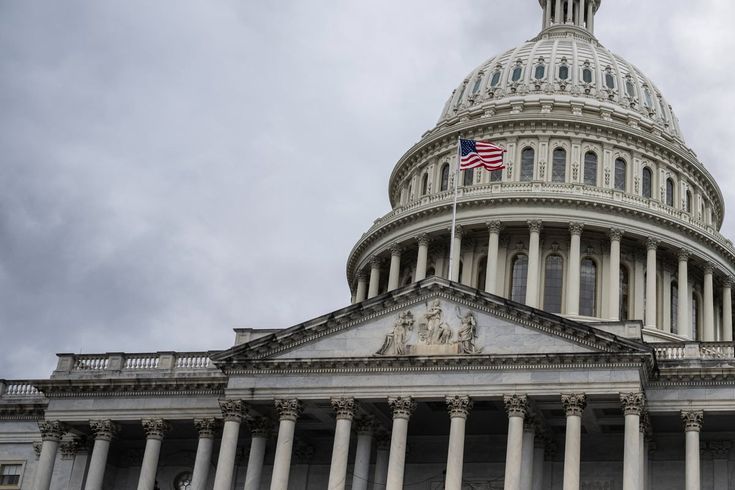
The U.S. Senate is set to consider a critical resolution that would require congressional approval before President Trump can further expand military actions against Venezuela. This follows several failed attempts by lawmakers to assert oversight over executive military decisions. The push comes after U.S. troops captured Venezuelan President Nicolás Maduro in a high-risk operation, triggering intense legal and diplomatic scrutiny. Supporters of the resolution argue that unchecked executive power risks prolonged foreign engagements without clear end goals or legislative consent, while opponents contend that the administration needs flexibility in responding to evolving security threats. Analysts expect a close vote, with a handful of Republican defections potentially deciding the outcome. The measure highlights ongoing tensions between the legislative and executive branches over war powers, constitutional authority, and foreign policy direction.
Thank you for reading this post, don't forget to subscribe!U.S. Withdraws from Key International Organizations and Climate Treaty
President Trump signed a sweeping proclamation withdrawing the United States from 35 non-UN entities and 31 United Nations linked bodies, including the foundational UN Framework Convention on Climate Change (UNFCCC). Trump’s administration says these actions remove U.S. participation from organizations perceived as misaligned with national interests. The UNFCCC, a cornerstone of global climate governance and the parent treaty of the Paris Agreement, has elicited significant criticism from legal experts who argue that such a withdrawal could be unlawful without congressional approval, given its historic bipartisan Senate backing. Critics warn this could weaken U.S. influence in climate negotiations, economic opportunities linked to clean energy transitions, and global leadership on environmental issues. International allies have also expressed concerns that U.S. retreat undermines multilateral cooperation on urgent global challenges.
Strategic Greenland Talks Signal Rising Geopolitical Interest

Diplomatic discussions between Denmark, Greenland, and the United States are slated for next week amid renewed U.S. interest in the Arctic territory. President Trump has revived long-standing proposals to bring Greenland under stronger American influence, emphasizing its strategic military and mineral significance. Denmark has welcomed dialogue, framing talks as an opportunity to safely navigate competing interests in the region. Greenlandic leaders, including the opposition, have expressed interest in speaking directly to U.S. officials, bypassing Denmark — a step with deep legal and geopolitical implications. Greenland remains an autonomous territory within the Kingdom of Denmark, and any changes to governance or strategic partnerships would require careful legal and diplomatic negotiation. Analysts note that the Arctic’s growing importance — fuelled by climate change and natural resource access — makes Greenland a focal point of U.S.–European relations and potential global defense realignment.
Historic Shift in Federal Nutrition Policy Promotes “Real Food”
The U.S. Department of Health and Human Services and the U.S. Department of Agriculture unveiled the Dietary Guidelines for Americans, 2025–2030, marking a major “reset” in federal nutrition recommendations. Spearheaded by Secretary Robert F. Kennedy Jr. and Secretary Brooke Rollins, the new guidelines prioritize whole, minimally processed foods and shift away from past policy emphasis on macronutrient counting. Officials describe this as the most significant change in decades, aiming to reduce chronic disease risk and improve public health outcomes. The guidelines will influence federal food programs, including school lunches, nutrition education, and dietary assistance programs. Public health experts have both praised the focus on “real food” and raised questions about implementation logistics, especially in underserved communities facing food access challenges.
Market Snapshot: Dollar Gains Ahead of Key Jobs Data
The U.S. dollar is poised for a third consecutive daily gain as mixed economic signals keep markets on edge. Recent data showed job openings falling more than expected while services sector activity strengthened unexpectedly in December, indicating complex labor market dynamics. Investors are now focused on Friday’s non-farm payrolls report for clearer signals about U.S. employment trends and Federal Reserve policy direction. A stronger dollar could weigh on exports but benefits importers and global investors holding U.S. assets. Analysts caution that conflicting data — weak labor demand yet resilient activity — may lead to increased volatility in equities and bond markets ahead of major economic releases.
U.S. House Speaker to Address British Parliament on Historic Ties

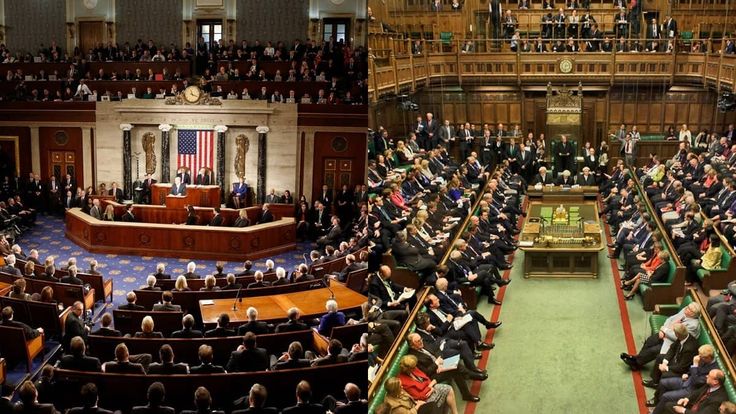
U.S. House Speaker Mike Johnson announced he will deliver a formal address to the British Parliament on January 20, marking the first time a sitting U.S. House speaker has done so. The speech comes as the United States commemorates the 250th anniversary of its independence and underscores the enduring democratic relationship between the two nations’ legislative institutions. Johnson emphasized the symbolic value of speaking at the historic seat of British democracy, framed as a tribute to shared political heritage and cooperation. This event also highlights bipartisan opportunities for reinforcing diplomatic ties amid broader global uncertainty.
Hyundai’s U.S. Investment Boosts Jobs and Tech Innovation
Hyundai Motor Group announced a $26 billion expansion plan in the United States through 2028 — an increase from its previously projected $21 billion commitment. The investment targets automotive manufacturing, a new Louisiana steel mill, and a robotics innovation hub, expected to support approximately 25,000 new jobs across sectors. The strategy reinforces the company’s long-term commitment to U.S. industrial growth and technological leadership, particularly in autonomous driving, AI, and robotics. Officials say this injects vitality into regional economies and strengthens the domestic supply chain for future mobility solutions.
VinFast Begins U.S. EV Factory Construction
Vietnamese electric vehicle maker VinFast broke ground on its first electric vehicle production facility in North Carolina. The massive site — spanning nearly 1,800 acres — is expected to produce up to 150,000 EVs annually and create thousands of jobs. The facility reflects VinFast’s ambition to expand its footprint in North America, serving growing consumer demand for EVs. The factory will include body, assembly, paint, and energy centers, positioning the company to compete with established manufacturers in the electric SUV segment.
Potential Economic Disruption Looms Over U.S. Port Labor Talks
Contract negotiations between East and Gulf Coast port operators and dockworkers’ representatives have resumed, raising concerns that a failure to reach a deal by January 15 could spark a major port strike. Such an event — involving more than 45,000 workers — could severely disrupt supply chains, drive up costs, and create shortages for a wide array of goods. East and Gulf ports are critical gateways for U.S. commerce, and labor unrest there would affect industries from retail to manufacturing. Stakeholders are watching closely as both sides aim to avoid economic fallout while balancing labor conditions and operational competitiveness.
Southwest Airlines Fleet Upgrade Plans Announced

Southwest Airlines is set to overhaul its entire fleet with a retrofit program beginning May 2025 and running through December. More than 800 aircraft will receive enhancements, including newly added premium seating and assigned seats — marking a major shift from Southwest’s traditional open-seating model. The effort is part of a broader turnaround, addressing passenger expectations after previous operational challenges. New maintenance hangars and expanded technical facilities will support the upgrades and future growth.
BMW Issues Massive U.S. Vehicle Recall for Safety
BMW announced the recall of over 390,000 older vehicles in the U.S. due to potentially dangerous Takata airbag inflators. These defective components — linked to numerous injuries and deaths — remain among the most complex recall efforts in automotive history. BMW is urging owners to schedule free repairs promptly to mitigate risk. The industry continues to grapple with lingering legacy safety issues from widespread Takata airbag failures.
U.S. DOT Legal Action Targets Major Airlines Over Delays
The U.S. Department of Transportation has filed a lawsuit against Southwest Airlines and imposed fines on Frontier Airlines and JetBlue Airways for operating chronically delayed flights that disrupted travelers and skewed competition. DOT officials highlighted that repeated delays constitute an “unrealistic scheduling practice” that misleads passengers. The lawsuit seeks civil penalties that could shape future airline scheduling and accountability standards, reaffirming regulatory authority to enforce reliable air travel.
U.S. Fusion Energy Roadmap Aims for Scientific Dominance
The U.S. Department of Energy released a new fusion energy roadmap designed to accelerate commercialization of fusion power by the mid-2030s. Priorities include closing technological gaps in materials and systems needed to build fusion pilot plants, leveraging artificial intelligence for innovation, and expanding public-private partnerships. Fusion energy could dramatically change the U.S. energy landscape, offering abundant, clean power if successful.
Demands for Congressional Oversight After U.S. Foreign Policy Moves
European leaders — including Germany’s President Frank-Walter Steinmeier — have sharply criticized recent U.S. foreign policies under President Trump, particularly unilateral actions in Venezuela and withdrawals from international agreements. Steinmeier warned that such moves threaten the global order and democratic norms. These international complaints underscore growing transatlantic tensions over strategic leadership, rule-based frameworks, and the future of multilateral cooperation.
About the Author