U.S.–Venezuela Oil Transfer Deal

Summary: U.S. President Donald Trump announced Venezuela will transfer 30 million–50 million barrels of crude oil to the United States after a controversial military operation that ousted Venezuelan President Nicolás Maduro.
Thank you for reading this post, don't forget to subscribe!Details: The Trump administration says the oil will be sold at market prices with proceeds controlled by the U.S. government to “benefit both nations.” This move follows a U.S. blockade on Venezuelan oil exports and intensified pressure after Maduro was captured by U.S. forces. Venezuelan officials denounced the action, citing sovereignty violations and framing it as economic coercion. The deal is expected to slightly increase U.S. oil supply but analysts caution it may not significantly reduce fuel prices due to the global oversupply. Critics argue the policy escalates geopolitical tensions, especially with China, which depends heavily on Venezuelan crude.
Former Venezuelan Leader Faces U.S. Court
Details: Maduro’s arraignment highlights the U.S. justice system’s role in pursuing international crime figures. Prosecutors allege involvement in a major cocaine distribution scheme targeting the U.S. The couple remains in custody, with the next court date in March. Maduro’s detention has sparked international debate about legality and sovereignty, leading to diplomatic criticism from multiple nations. Within the U.S., the prosecution strategy dovetails with broader anti-narcotics policy and reinforces claims of accountability for transnational crime leaders.
International Backlash at the U.N.
Summary: U.S. military intervention in Venezuela prompted both allies and adversaries to criticize Washington during an emergency U.N. Security Council session.
Details: Representatives from various countries condemned the operation, questioning its legality under international law. Some nations invoked concerns over sovereignty and civilian harm, while others underscored the danger of setting precedent for external interventions. The debate underscored deep divides in global governance perspectives and the challenges the U.S. faces in garnering support for unilateral security actions.
U.S. Endorses Security Guarantees for Ukraine
Summary: At a high-level Paris summit, the United States backed a coalition of allies in pledging security guarantees for Ukraine against future Russian aggression.
Details: The initiative includes deterrent measures like advanced defense systems, intelligence sharing, and a proposed monitoring framework using drones and satellites. European nations joined the commitment to enhance long-term stability and rebuild Ukraine’s defense capabilities. Although no American troops will be deployed under this agreement, the U.S. presence affirms continued leadership in countering Russian influence in Eastern Europe. Ukrainian President Volodymyr Zelensky welcomed the pact as essential for security once a ceasefire is achieved.
U.S. Strategic Shift Toward Greenland

Details: President Trump’s renewed interest in Greenland’s strategic position has alarmed NATO allies, especially Denmark. Discussions now blend diplomatic and military possibilities, including purchase negotiations and free-association agreements. Greenland’s leadership, however, staunchly opposes any transfer of sovereignty. European leaders have issued statements reaffirming the territory’s autonomous status, warning that coercive actions could strain or even jeopardize NATO unity.
Russia Escorts Oil Tanker Amid U.S. Pursuit
Summary: Russia deployed naval assets, including a submarine, to escort an oil tanker the U.S. tried to seize near Venezuela.
Details: The tanker—renamed and reflagged under Russian registry—is navigating waters south of Iceland, with Moscow signaling strong opposition to U.S. maritime enforcement. This move reflects Russia’s broader strategy to undermine U.S. naval operations and protect allied commercial interests, intensifying geopolitical friction in strategic maritime corridors.
U.S. Flu Season Surge
Summary: The Centers for Disease Control reports the highest flu activity in 25 years, driven by a new variant.
Details: Nearly all U.S. states show elevated flu levels. Health officials recommend vaccination despite reduced match effectiveness due to late variant emergence. Millions have been infected, with significant hospitalization and thousands of deaths. This surge strains healthcare systems just months after the peak winter season began, highlighting infrastructure vulnerability and the need for robust immunization campaigns.
U.S. Political Divisions Mark Capitol Riot Anniversary
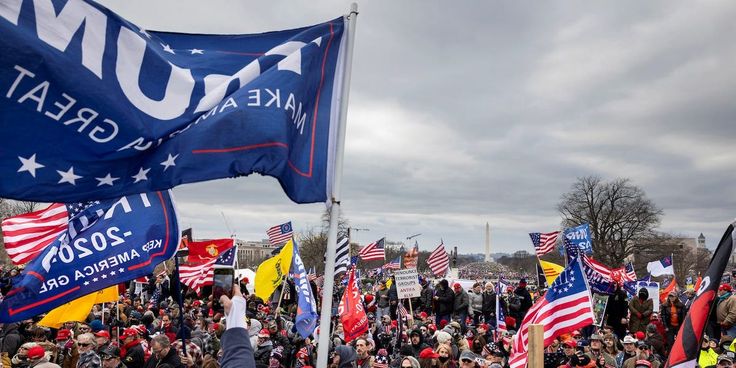
Summary: The U.S. observed the five-year anniversary of the January 6 Capitol attack amid ongoing political polarization.
Details: Commemorations highlighted deep divides in how Americans interpret the events. Democrats pushed for renewed accountability hearings, while some supporters of the former insurrection framed the day as a protest. The anniversary underscores enduring tensions over election legitimacy, domestic extremism, and national identity.
Crypto Legislation Delayed by Midterms
Summary: TD Cowen warns that 2026 midterm elections may postpone key U.S. cryptocurrency regulation until 2027.
Details: Partisan gridlock and competing priorities have slowed progress on major market structure legislation aimed at clarifying digital asset oversight. Provisions debated include conflict of interest restrictions and regulatory jurisdiction, which remain contentious. Industry stakeholders face uncertainty as the legislative horizon shifts due to election-year dynamics.
National Figure Skating Championships Preview
Summary: Top U.S. skaters prepare for the 2026 U.S. Figure Skating Championships in St. Louis, a critical step toward Olympic qualification.
Details: Elite athletes like Ilia Malinin and Madison Chock & Evan Bates are spotlighted as contenders. The event serves both as a national title fight and a gauge for international competition readiness ahead of Milano-Cortina Winter Olympics.
US Soccer Transformation Post-World Cup
Summary: The 2026 FIFA World Cup could reshape U.S. soccer’s global standing, with even greater prospects for the 2030 tournament.
Details: Analysts see the U.S. hosting role as pivotal for talent development and fan engagement, potentially accelerating the sport’s domestic growth trajectory.
Denmark Seeks Talks on Greenland Rhetoric

Summary: Denmark and Greenland seek diplomatic talks with the U.S. after provocative statements about acquiring the island.
Details: European leaders reaffirm sovereignty and warn against coercion. U.S. policymakers face pressure to balance strategic interests with alliance commitments.
Tech & Media: Peacock’s January Lineup
Summary: Peacock launches a broad slate of new shows and films, blending originals and blockbusters.
Details: Highlights include The Traitors Season 4 and classic franchises, strengthening the platform’s entertainment offerings across genres.
U.S.–Venezuela Operation Casualties Highlighted
Summary: Reports estimate at least 24 Venezuelan security personnel died during the U.S. operation to capture Maduro.
Details: The intensity and human cost of the mission have sparked criticism and calls for transparency about strategic objectives and international law compliance.
Global Politics: Oil Price Reactions

Summary: Oil prices dipped after news of Venezuelan oil flowing to the U.S., reflecting market concerns about oversupply and geopolitical implications.
Details: Brent and U.S. crude benchmarks fell, driven by expectations of increased inventory and supply chain shifts. External actors like China criticized U.S. actions as destabilizing.
About the Author