1. Boeing’s New Air Force One Delivery Delayed Again
Key fact: Boeing’s highly anticipated new presidential aircraft delivery has been postponed to mid-2028, marking roughly four years of delays.

Analysis: The Air Force One replacement program—originally contracted in 2018 and slated for delivery earlier in the 2020s—is now not expected until mid-2028. This delay is significant not only for logistical planning but also for political optics. A program with a price tag in the $5+ billion range that continues to slip raises questions about project management, supplier coordination, and cost controls amid growing scrutiny of defense and aerospace spending. For the White House and Department of Defense, this means continued reliance on interim aircraft, which are often older and less capable in communications and security systems. Economically, Boeing’s reputation has taken hits over quality and schedule overruns, stirring tensions with policymakers on Capitol Hill. The delay also deepens concerns about U.S. industrial base reliability amid geopolitical competition with China and rising defense budgets globally.
The decision to dismiss alternatives such as Airbus also reflects ongoing political choices about national aerospace dependence and industrial policy, with implications for long-term strategic supply chains. Overall, the delay underscores persistent challenges in executing high-complexity government contracts while balancing performance, cost, and schedule.
2. House Republicans Unveil Last-Minute Healthcare Plan Without ACA Subsidies
Key fact: GOP lawmakers released a healthcare plan just days before the expiration of enhanced Affordable Care Act (ACA) subsidies, with no extension included.
Thank you for reading this post, don't forget to subscribe!Analysis: With ACA enhanced subsidies set to expire on December 31, 2025, House Republicans’ late healthcare proposal sparked immediate controversy by not extending those credits for the 22+ million Americans who rely on them to afford insurance premiums. The timing—just weeks before subsidies lapse—creates a high-stakes situation for markets, hospitals, insurers, and consumers. Healthcare is a perennial political vulnerability; premiums are likely to rise sharply in 2026 without subsidy continuation.
Politically, this move signals deep GOP divisions: moderates want bipartisan extensions, while conservatives resist extensions without policy changes. The plan details cost-sharing reductions beginning in 2027 and other market reforms, but absent immediate subsidy relief, average Americans could face higher premiums and out-of-pocket costs, especially in key swing states ahead of the 2026 midterms.
Economically, the uncertainty itself can depress enrollment, disrupt insurer pricing models, and create volatility in healthcare markets. The Senate will be the next battleground for this debate, and consumer groups, hospitals, and insurers are mobilizing for intense advocacy. At the center is a broader clash over the future of ACA and U.S. healthcare policy direction.
3. U.S. Ends Temporary Protected Status for Ethiopian Nationals
Key fact: Homeland Security announced that Temporary Protected Status (TPS) for Ethiopians will be terminated.
Analysis: The end of TPS for Ethiopians represents a major shift in immigration policy. TPS was originally granted to protect migrants from deportation due to armed conflict, environmental disasters, or extraordinary conditions in their home countries. Ending TPS for Ethiopians aligns with a larger administration effort to curtail humanitarian immigration pathways and reduce the size of the undocumented population through stricter enforcement.
This policy change has profound human and economic implications. Tens of thousands of Ethiopian nationals residing legally in the U.S. under TPS now face potential deportation or legal uncertainty. Many are integrated into local communities, working in healthcare, technology, construction, and service sectors. Removing TPS protections can disrupt labor markets, family units, and community involvement, especially in cities with significant Ethiopian-American populations.
Legally, this decision will almost certainly face court challenges, with advocates arguing the criteria for ending TPS are tenuous given ongoing instability in parts of Ethiopia. Politically, it reinforces the administration’s hardline stance on immigration—appealing to some conservative constituencies while provoking backlash from immigrant rights organizations and Democratic lawmakers who argue for more humane policies.
4. TSA Union Contract Invalidated, Major Labor Clash Looms

Key fact: The Biden-era union contract covering roughly 47,000 TSA officers was annulled by DHS, prompting vows of legal challenges from labor unions.
Analysis: This policy reversal by the Department of Homeland Security undercuts a longstanding collective bargaining agreement for TSA officers and marks a flashpoint in federal labor relations. The annulment voids negotiation protections, pay terms, and other benefits that officers have operated under, triggering immediate opposition from the American Federation of Government Employees (AFGE) which vows to challenge the move in court. Federal unions argue the action is unlawful and represents union suppression; legal precedent typically protects collective bargaining agreements unless renegotiated with union consent.
From a security standpoint, workforce morale and retention at TSA checkpoints could be jeopardized, potentially exacerbating staffing shortages that airports nationwide have faced in recent years. Politically, the move aligns with broader attempts by the current administration to restructure federal labor frameworks in favor of market and security priorities over union influence.
The broader context includes heightened scrutiny of public sector unions amid polarizing debates over labor rights versus administrative control. This dispute will likely become a focal point for union advocacy groups and civil liberties organizations going into 2026 elections, as labor issues increasingly intersect with broader debates on worker protections and public safety.
5. 20-State Lawsuit Challenges Trump’s $100,000 H-1B Visa Fee
Key fact: A coalition including California is suing to block the unprecedented $100,000 fee for new H-1B visas.
Analysis: The dramatic hike in fees for H-1B visas to $100,000 has triggered robust legal pushback, with 20 states arguing the fee structure exceeds federal authority and imposes undue burdens. The H-1B program is critical for U.S. tech, healthcare, and education sectors, which depend on skilled foreign workers, especially in fields where domestic talent shortages are acute. Employers warn the fee will discourage global talent, hamper innovation, and potentially slow economic growth.
Legally, the suit argues that immigration fee setting is a congressional responsibility, not executive authority, and that charges should reflect administrative costs, not revenue targets. This case could set precedent on executive power limits regarding immigration policy. Broader issues include the balance between protecting domestic labor markets and maintaining U.S. global competitiveness in key industries.
Politically, this lawsuit underscores the deep divide between states prioritizing economic growth and federal policy focusing on restricting immigration flows. The outcome could reshape H-1B policy for years, affecting employers from Silicon Valley to healthcare institutions struggling with staffing.
6. U.S. to Host International Conference on Gaza Stabilization Force
Key fact: Washington will convene over 25 countries in Doha on plans for a Gaza stabilization force.
Analysis: The U.S.-led effort to organize a multinational stabilization force for Gaza reflects a major diplomatic initiative aimed at addressing instability following prolonged conflict in the region. The Doha conference signals Washington’s intent to foster international cooperation on Middle East security, beyond traditional bilateral partnerships. Representatives will focus on command structure, rules of engagement, and operational logistics—a complex diplomatic exercise given the fragmented political landscape in Gaza and competing regional interests.
This move carries strategic implications. A stabilization force could alleviate humanitarian suffering and create conditions conducive to long-term peace negotiations. However, establishing legitimacy and operational coherence among diverse contributing nations presents challenges, especially with differing stances on Israeli-Palestinian issues. The initiative also positions the U.S. as a central mediator, competing with other regional power brokers.
Domestically, this reflects the administration’s effort to demonstrate global leadership and may appeal across political lines by emphasizing humanitarian and security outcomes. However, public opinion remains divided on extensive foreign commitments. How this force integrates with broader peace efforts will be a key measure of U.S. diplomacy’s current effectiveness.
7. Student Journalists Track ICE Immigration Raids
Key fact: Chicago student journalists are documenting immigration enforcement patterns to provide accurate local information amid fears.
Analysis: Local media and civic engagement intersect with national immigration policy in a novel way: student reporters are mapping immigration and ICE activity to counter misinformation and panic. This grassroots initiative emerges amid intensified enforcement and public concern, particularly within immigrant communities. By tracking real raid locations and patterns, these students aim to reduce fear fueled by rumors, counteract disinformation, and provide factual reporting that residents can use to make informed decisions.
This effort highlights several systemic trends: the rise of civic tech at the local level, youth engagement in public policy gathering, and the information gap that can occur when federal actions are poorly communicated or misunderstood. It also demonstrates how communities adapt to federal policy shifts, emphasizing transparency and community resilience.
From a broader perspective, this reflects a democratization of information gathering, with local actors stepping in where national media may not focus. It suggests a growing need for reliable local coverage of policy impacts and could influence how municipalities engage with constituents on sensitive issues like immigration enforcement.
8. U.S. Equity Funds See Net Inflows Ahead of Fed Decision
Key fact: Investors bought into U.S. equity funds for the first time in weeks, anticipating a Federal Reserve rate cut.
Analysis: The shift back into equity funds indicates investor confidence tied to expectations that the Federal Reserve may ease monetary policy soon. This movement has broad implications for market sentiment: when investors buy stocks, it suggests optimism about economic growth and corporate earnings despite global uncertainty.
Stock market dynamics often hinge on interest rate expectations. A Fed rate cut typically lowers borrowing costs, supporting investment and spending, which can boost equities. However, investor confidence must be balanced with concerns about inflation, employment health, and sector fundamentals. In this context, inflows into equity funds represent not just positioning ahead of a policy move but also a recalibration of risk appetite after volatility tied to AI sector performance and earnings uncertainty.
For everyday investors and retirement funds, these shifts influence asset valuation, portfolio risk, and retirement planning. Policymakers watch these trends as they grapple with inflation control and economic stability. A rate cut could signal the Fed’s acknowledgment of slowing growth—something markets often respond to with mixed reactions.
9. Pacific Northwest Floods Continue, Emergency in Place
Key fact: Severe flooding persists across the Pacific Northwest; Washington state declared a state of emergency.
Analysis: The atmospheric river system impacting Washington, Oregon, and British Columbia has caused extraordinary rainfall and flooding, prompting wide-ranging evacuations and heavy infrastructure stress. Emergency declarations mobilize state resources to protect lives and property, including National Guard deployments.
This flooding underscores growing climate volatility and the increasing frequency of extreme weather linked to atmospheric river patterns intensified by climate change. Economically, prolonged flooding disrupts supply chains, local businesses, and agricultural activity, compounding economic stress in affected regions. Insurance claims, public infrastructure damage, and long-term recovery funding present additional fiscal challenges to local and federal governments.
In the context of U.S. climate policy debates, such events often intensify discussions about resilience funding, emissions reduction strategies, and adaptation planning. The human impact—homes lost, communities displaced—also focuses national attention on the real costs of environmental risk in the absence of comprehensive mitigation strategies.
10. US Navy and Coast Guard Seize Venezuelan Oil Tanker

Key fact: The U.S. seized the tanker Skipper in the Caribbean as part of actions targeting Venezuelan crude transport.
Analysis: The seizure highlights escalated U.S. military and economic pressure on the Maduro regime. Utilizing Coast Guard, DHS, and federal enforcement assets, the capture of the Skipper—a sanctioned vessel—signals a significant tactic to disrupt oil revenue streams that support Caracas. Venezuelan crude exports have since dropped sharply, constricting regime finances.
Strategically, this move aligns with broader U.S. policy to counter authoritarian influence in Latin America and address allegations of corruption, narcotics trafficking, and human rights abuses tied to Maduro’s government. Economically, the seizure exacerbates instability in global oil markets, potentially affecting prices, refining margins, and regional supply flows.
However, such actions carry diplomatic risks. Venezuela condemned the move as “international piracy,” which could strain U.S. relations with regional governments balancing economic interests and political pressures. Additionally, military deployments for enforcement reflect the blend of economic leverage and security operations in U.S. foreign policy.
11. Student Jobless Claims Spike; Labor Market Remains Mixed
Key fact: Weekly U.S. jobless claims saw their largest increase in years, though labor conditions remain stable by broader measures.
Analysis: The rise in initial jobless claims can signal short-term labor market volatility, often influenced by seasonal patterns and reporting timing around holidays. While analysts caution against overinterpreting week-to-week swings, the figures remind policymakers, investors, and consumers that the job market is sensitive to economic shifts. Aggregate data usually shows sustained employment strength in the U.S., but short upticks can reflect layoffs in cyclical sectors or repricing related to economic expectations.
Labor market trends influence consumer confidence, spending, and policy decisions, particularly at the Federal Reserve. Stable long-run employment supports consumer demand and economic expansion, while rising unemployment claims can temper optimism about growth.
In a broader context, this data plays into debates about how aggressive or cautious the Fed should be with interest rate adjustments—balancing inflation pressures with employment objectives. All told, the data suggests a nuanced labor landscape rather than outright distress.
12. Political Narrative: Trump Attacks Biden Amid Parallels
Key fact: President Trump criticizes former President Biden while analysts note unexpected political parallels between the two leaders.
Analysis: This political framing reflects the evolving U.S. political landscape as Trump contrasts himself with his predecessor on age, economic management, and leadership style. However, media and analysts observe parallels—not rigid distinctions—in terms of policy challenges each has faced, especially around inflation, cost of living, and public perception. The media portrayal of political rivalry impacts public discourse, shaping voter attitudes ahead of upcoming midterms and national elections.
This narrative is significant because it deepens ideological polarization at a time when pragmatic policy outcomes (e.g., healthcare costs, labor market stability) affect everyday Americans. The juxtaposition between Trump and Biden, both historically older presidents, underscores a broader political debate about experience, energy, and governance priorities.
Moreover, media framing and political rhetoric influence electoral strategy: both parties attempt to define the opposition in ways that mobilize their base while appealing to undecided voters concerned about economic and social stability.
13. Reuters: Belarus Prisoner Release Involving Bialiatski
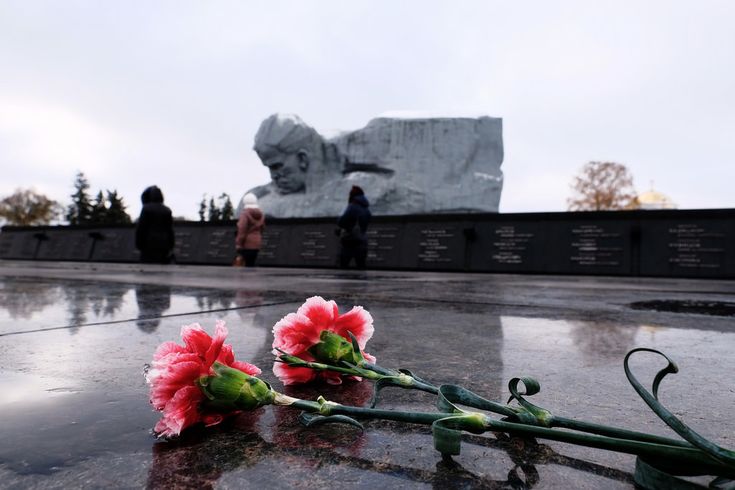
Key fact: Belarus released Nobel laureate Ales Bialiatski and other prisoners after U.S. sanctions adjustment.
Analysis: While technically a European event, the U.S. role in lifting sanctions that helped secure the release of Belarusian prisoners—including Nobel Peace Prize winner Ales Bialiatski—is geopolitically noteworthy. This reflects Washington’s strategic use of sanctions and diplomatic leverage to promote human rights objectives, even amid complex geopolitical rivalries.
The move may signal a nuanced shift in U.S.–Europe coordination on sanctions policy, offering a potential template for negotiating humanitarian concessions without relinquishing broader pressure. For U.S. foreign policy credibility, this outcome underscores the value of coordinated economic measures in advancing democratic principles internationally.
Domestically, it supports narratives favoring targeted sanctions over blanket economic penalties, aligning with bipartisan interests in human rights while balancing economic and security imperatives.
14. Debate Over Visa Social Media History Requirements
Key fact: U.S. Customs and Border Protection is proposing that visitors from visa-waiver countries share years of social media history—raising civil liberties concerns.
Analysis: This proposed policy to require social media and email histories from visitors in visa-waiver countries is one of the most controversial immigration enforcement ideas in recent U.S. history. By potentially mandating up to five years of social media activity, the policy has triggered intense debate about privacy, speech rights, tourism impacts, and diplomatic relations with key allies. Critics argue that such broad data collection risks violating constitutional protections, chills free speech, and could create hostile perceptions about the U.S. as a destination for travel and business.
From a national security standpoint, supporters argue expanded vetting helps identify threats and prevents extremist harm. However, civil liberties advocates say such measures blunt nuanced free expression and could set precedents for other nations to reciprocate intrusive practices. Economically, tourism and international business travel are critical to U.S. GDP, and onerous entry requirements could deter visitors, especially from allied nations.
Politically, the proposal positions immigration enforcement at the center of national debate—a perennial yet evolving issue in American politics—blurring lines between legitimate security interests and expansive surveillance.
15. Lindsey Vonn Achieves Historic Alpine Skiing Success
Key fact: U.S. alpine legend Lindsey Vonn finished second in a World Cup downhill the day after becoming the oldest winner in history at age 41.
Analysis: While not a political or economic story, Lindsey Vonn’s performance resonates culturally and psychologically across the U.S. sports landscape. Her achievement as the oldest competitor to win a World Cup downhill and following up with a strong second-place finish emphasizes endurance, elite athletic longevity, and redefining career narratives in professional sports.
Vonn’s success has broader implications for U.S. athletics. It elevates winter sports visibility in a country where football, basketball, and baseball typically dominate the national conversation. Her achievements can inspire investment in skiing programs, youth participation, and media engagement around winter sports, especially as the U.S. prepares for future Olympic cycles.
Additionally, her story touches on larger societal themes: career longevity, gender equality in sports, and the intersection of professional excellence with aging—challenging stereotypes about when athletic careers peak. For brands, sponsors, and cultural commentators, this narrative reinforces the appeal of resilience and determination, broadening public engagement with lesser-highlighted disciplines.
About the Author