1. Expanded U.S. Travel Ban Takes Effect, Restricting Entry for Nationals of 39 Countries

Background & Facts (What Happened):
Effective January 1, 2026, a broad travel ban restricting entry into the United States for nationals of 39 countries has been implemented under a presidential proclamation signed in December 2025. The policy expands prior restrictions by fully suspending entry for nationals of 19 nations and partially suspending access for another group. This measure builds on immigration policy shifts enacted throughout the past year targeting visa issuance and border security. The travel ban affects a range of countries across Africa, the Middle East, and other regions, including Afghanistan, Iran, Libya, Somalia, and Sudan. Some exemptions exist for certain visa categories, though specific conditions remain complex and subject to ongoing clarification by the State Department. In response, several affected countries have announced reciprocal restrictions on U.S. citizens. This policy change represents one of the most sweeping alterations to U.S. entry regulations in recent history.
Analysis & Impact:
In the short term, the expanded travel ban will create immediate disruptions for families, students, business travelers, and migrants who had expected to enter the United States in early 2026. Immigration attorneys and advocacy groups are already warning of logistical challenges and potential legal challenges. The measure also adds strain to diplomatic relations, particularly with nations that view the restrictions as discriminatory or disproportionate. Over the long run, the ban could reshape international mobility patterns and affect U.S. soft power, as American universities, multinational corporations, and cultural exchanges adjust to more restrictive entry norms. Potential secondary effects include economic impacts on sectors dependent on international travel and heightened tension in bilateral relations with affected governments.
Expert Insight / Broader Meaning:
This travel ban signals a broader strategic shift in U.S. immigration and national security policy toward more exclusionary border controls. It reflects ongoing political debates within the United States about sovereignty, security, and economic considerations tied to migration. From a geopolitical standpoint, the policy may embolden similar measures by other nations, provoking reciprocal restrictions and complicating multilateral cooperation on issues like counterterrorism, trade, and public health. For advocates of immigration reform, the ban illustrates the growing power of executive proclamations in shaping travel and visa policy absent comprehensive legislative action.
2. U.S. Citizenship and Immigration Services Raises Application Fees
Background & Facts (What Happened):
Beginning January 1, 2026, the United States Citizenship and Immigration Services (USCIS) has implemented increased fees for a range of immigration applications. The adjustments, announced late in 2025, are intended to align fee structures with inflationary trends and to strengthen USCIS’s financial footing. Applications postmarked without the updated fees will be rejected, prompting applicants to carefully review revised requirements. While specific categories affected were not fully detailed in preliminary reporting, the overhaul impacts visa petitions, green card processing, and other immigration benefits. These changes accompany broader shifts in immigration policy, including tightened travel restrictions and systemic revisions to admission protocols.
Analysis & Impact:
In the immediate term, the fee increases create an added financial burden for individuals and families navigating the immigration system. Applicants from countries with economic fragility may find the heightened costs prohibitive, reducing legal immigration pathways. Immigration attorneys note increased administrative complexity as applicants adjust to new payment structures. Over the longer term, these cost adjustments may reduce overall application volumes, potentially exacerbating labor shortages in sectors reliant on immigrant workers, and could delay reunification and employment authorization timelines for millions of petitioners.
Expert Insight / Broader Meaning:
The fee adjustments underscore a policy environment in which immigration is increasingly treated through a fiscal lens, with authorities seeking to balance operational costs against public and political pressures to reduce legal immigration. While fee alignment with inflation is not unusual in administrative practice, doing so amid broader restrictions may send a signal that legal pathways are narrowing, reinforcing perceptions of a less welcoming regulatory landscape. For business sectors dependent on foreign talent, this trend may intensify calls for comprehensive immigration reform rather than piecemeal fee and enforcement actions.
3. Virginia’s Social Media Usage Law for Youth Takes Effect
Background & Facts (What Happened):
As of January 1, 2026, Virginia’s landmark social media regulation law that automatically limits users under age 16 to one hour of daily usage on major platforms has come into effect. The law, co-sponsored by state legislators and backed by tech industry negotiations, targets platforms including Instagram, Facebook, TikTok, Twitter/X, Snapchat, Reddit, Pinterest, and YouTube. Parents retain the ability to adjust the default limit. Non-compliance by platforms can result in consumer protection fines. The measure’s passage followed national debate over youth mental health and digital addiction.
Analysis & Impact:
In the short term, social media companies must adapt systems to enforce time limits for younger users accessing services within Virginia. Compliance costs include user age verification, tracking usage, and parental control features — functions already debated in industry and legal circles. Parents and teens are adjusting to new norms, with some criticism around enforcement practicality and concerns about impact on digital expression. Longer term, if successful, Virginia’s model could influence other states and potentially federal legislation addressing digital wellbeing, child safety online, and platform accountability.
Expert Insight / Broader Meaning:
The law reflects rising public concern about the effects of extended social media use on adolescent cognitive and emotional health. Politically, it marks a shift toward state-level regulation of digital environments traditionally governed by self-regulation and voluntary content policies. Should other states adopt similar frameworks, a patchwork of digital regulation may emerge, complicating platform compliance while sparking broader debates on free expression, data privacy, and the role of government in moderating digital consumption.
4. Minimum Wage Increases in 19 States Alter Labor Market Dynamics
Background & Facts (What Happened):
Numerous state minimum wage hikes have taken effect across the United States on January 1, 2026. At least 19 states have raised baseline hourly pay to respond to inflationary pressures and rising living costs. Highlights include significant increases in Washington, California, New York, and other populous states, with Washington’s rate exceeding $17 per hour. These raises stem from automatic state indexing to inflation, voter-approved ballot measures, and legislative action aimed at reducing income inequality. In states such as Hawaii, wages climbed substantially while others took incremental but meaningful steps.
Analysis & Impact:
In the short term, millions of workers will see higher take-home pay, potentially boosting consumption and reducing reliance on public benefits. Employers — particularly in hospitality, retail, and small business sectors — must adjust payroll expenses and pricing strategies. Economists warn of potential job reductions or reduced hours if costs cannot be absorbed, though empirical evidence varies by market. Over the long run, sustained wage growth might reduce poverty and stimulate worker productivity, but it could also accelerate adoption of automation in routine service roles, reshaping labor demand.
Expert Insight / Broader Meaning:
The state-level wage reforms reflect broader societal debates about wage stagnation, income distribution, and the adequacy of the federal minimum wage. With the federal rate unchanged, states are emerging as laboratories for divergent labor policies, intensifying comparative analysis of economic outcomes. These trends may influence future federal debates on labor standards and deepen discussions about balancing business competitiveness with worker wellbeing in an evolving economic landscape.
5. 2.8% Social Security Cost-of-Living Adjustment Begins in 2026
Background & Facts (What Happened):
Beginning January 2026, Social Security beneficiaries will receive a 2.8 percent cost–of–living adjustment (COLA) to reflect inflation and rising living costs. The annual COLA, announced by the Social Security Administration, applies to approximately 75 million retirees, disabled individuals, and survivors. Monthly benefits, including Supplemental Security Income (SSI), will increase across the board, with maximum benefits for those at full retirement age reaching about $5,251 — up from prior levels. This adjustment is part of established federal practice to ensure benefits keep pace with consumer price shifts.
Analysis & Impact:
In the short term, beneficiaries will see immediate increases in their monthly income, helping to offset inflationary pressures on essentials like food, healthcare, and housing. For many retirees, especially those on fixed incomes, this change brings tangible relief and stabilizes spending capacity. Over the long run, predictable COLA adjustments contribute to economic stability for an aging population but also place upward pressure on federal entitlement spending, raising fiscal considerations for future budget planning amid demographic shifts and Social Security trust fund projections.
Expert Insight / Broader Meaning:
The COLA increase demonstrates the federal government’s ongoing commitment to protecting living standards for seniors and other eligible recipients amid macroeconomic fluctuations. It also underscores the broader challenge facing policymakers: balancing fiscal sustainability with social safety net adequacy in an era of evolving economic conditions. Social Security adjustments remain politically salient as debates continue over long-term solvency and intergenerational equity.
6. Special Congressional Hearing Scheduled for Fifth Anniversary of Capitol Riot
Background & Facts (What Happened):
House Democrats have announced a special congressional hearing slated for January 6, 2026, marking the five-year anniversary of the January 6, 2021, Capitol attack. Led by Minority Leader Hakeem Jeffries and former Jan. 6 Committee Chair Bennie Thompson, the session aims to revisit the events, honor law enforcement, and assess lingering threats to democratic processes. Lawmakers will share personal accounts and evaluate responses to efforts to undermine electoral integrity. The hearing follows contentious political discourse around the 2021 attack, including pardons issued to individuals involved and ongoing legal proceedings against participants.
Analysis & Impact:
In the short term, the hearing renews national focus on the democratic institutions and security responses associated with the Capitol breach. It will likely draw partisan reaction, with critics characterizing it as politically motivated and supporters emphasizing accountability and historical record-keeping. Over the long run, such hearings contribute to institutional memory, shape public understanding of domestic extremism risks, and influence policy development on election security and federal law enforcement coordination.
Expert Insight / Broader Meaning:
Commemorative hearings on national trauma play a dual role: preserving historical understanding while reinforcing democratic norms. This session highlights how the Capitol attack remains a touchstone in American political consciousness and underscores broader efforts to confront threats to democratic resilience. The proceedings may also inform legislative proposals aimed at strengthening infrastructure, cybersecurity, and public trust in electoral systems.
7. Key New State and Federal Laws Take Effect Nationwide
Background & Facts (What Happened):
January 1, 2026 ushered in a suite of new laws across the United States affecting labor rights, consumer protection, environmental standards, and public health. Among the most impactful changes are expanded worker protections (including paid family and medical leave provisions), stricter AI regulation in hiring practices, workplace air quality mandates, plastic grocery bag bans in California, and cellphone usage limits in schools. States including California, Washington, New York, Texas, and Illinois have rolled out diverse measures addressing local priorities. These laws reflect legislative activity spanning multiple policy domains.
Analysis & Impact:
In the immediate term, businesses and institutions must update compliance practices, adjust operational policies, and educate employees and customers about new regulations. Workers benefit from enhanced protections and rights, while consumer experience may shift due to environmental and safety standards. Over time, these measures could yield measurable improvements in workplace equity, public health outcomes, and environmental stewardship, though they also may create administrative burdens, particularly for small businesses balancing cost and regulation.
Expert Insight / Broader Meaning:
The flurry of state-level systemic updates illustrates America’s evolving social contract in the absence of uniform federal regulation. It highlights how states serve as policy incubators, often responding more rapidly to emerging issues — such as AI governance — than federal authorities. These trends point to a future where intergovernmental coordination and best practice sharing become essential to harmonize standards, protect workers and consumers, and drive economic growth without imposing undue burdens.
8. U.S. Stock Markets and Federal Services Closed for New Year’s Day Observance
Background & Facts (What Happened):
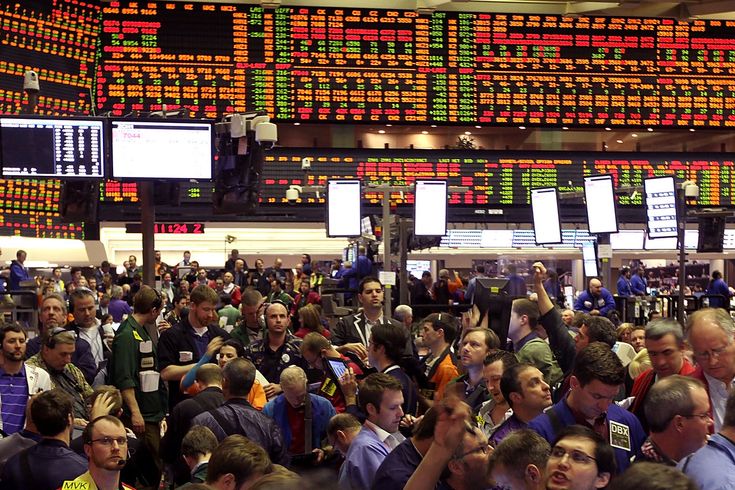
January 1, 2026 is observed as a federal holiday across the United States. As such, major financial markets — including the New York Stock Exchange and Nasdaq — are closed, along with federal banks, post offices, and many government offices. While online and ATM banking continue, physical branches and postal services remain inaccessible. The closure marks the first federal holiday of the new year and delays resumption of normal services until January 2. Private sector retail and service establishments largely remain open.
Analysis & Impact:
In the immediate term, Americans experience a brief pause in financial transactions requiring in-person services, including mail processing, banking, and trading activity. For investors, the closure represents a normal holiday observance but delays responses to economic data that may emerge outside market hours. Over the long run, holiday closures have minimal economic impact, though they offer a predictable cadence for planning administrative and financial activities in both public and private sectors. They also provide a cultural moment for national reflection and time with family.
Expert Insight / Broader Meaning:
Federal observances like New Year’s Day underscore the importance of institutional rhythms in American civic life. While markets and government services pause, ongoing operations in digital finance and global markets illustrate the complexity of modern national infrastructure, where continuity and cadence coexist. The holiday also frames early 2026 public expectations for productivity and policy momentum as the year begins in earnest.
9. State-Led Artificial Intelligence Regulation Expands
Background & Facts (What Happened):
State legislatures across the country have enacted new AI governance laws effective this year. These laws aim to regulate how employers use AI in hiring, require transparency around automated decision-making, and impose safety checks on advanced systems. Illinois and California are among jurisdictions with robust AI protections, while others, including Texas and Colorado, incorporate varying governance frameworks. This patchwork of regulation reflects growing legislative focus on AI’s societal impacts, spanning discrimination prevention, workplace fairness, and consumer rights.
Analysis & Impact:
In the short run, companies operating across multiple states must navigate divergent compliance regimes, complicating deployment of AI systems in recruitment, HR, and customer interaction. Legal teams and AI vendors are adapting technology and policies to meet local requirements. In the long run, this decentralized regulatory environment could influence federal AI policy, driving calls for national standards to harmonize expectations and reduce fragmentation. Investors and innovators are watching closely to assess how regulatory pressures shape competitive dynamics in the U.S. tech sector.
Expert Insight / Broader Meaning:
State-driven AI laws highlight a transformative moment where government seeks to balance innovation with social safeguards. The emphasis on discrimination, workplace fairness, and transparency signals recognition that AI’s benefits must be tempered by accountability measures. As AI continues to permeate business and society, regulatory frameworks will likely become central to debates over ethical technology, economic opportunity, and civil rights protections.
10. U.S. Minimum Wage and Labor Law Reforms Reflect Workforce Priorities
Background & Facts (What Happened):
Across the United States, January 1 saw the enactment of higher minimum wages and expanded labor protections in many states, aiming to align earnings with cost of living trends and enhance worker rights. States with significant adjustments include Washington, California, and New York, among others, while additional protections — such as paid family leave and rest break regulations — also take hold. These reforms are part of broader states’ legislative agendas responding to persistent concerns about income inequality and worker vulnerability.
Analysis & Impact:
Short-term impacts include increased earnings for low-wage workers and added compliance requirements for employers. Service industries, which traditionally employ a large share of minimum wage workers, must balance increased labor costs with price structures. Over the long run, cumulative wage growth could reduce dependency on public assistance programs, stimulate household spending, and contribute to improved quality of life for millions of workers. However, economists caution that wage hikes could accelerate automation adoption if labor costs rise faster than productivity.
Expert Insight / Broader Meaning:
These labor reforms reflect a shifting political consensus on economic fairness and recognition that stagnant wages have eroded living standards for many Americans. State experiments with wage floors, leave policies, and worker protections may inform future federal legislative efforts, especially as debates over a federal minimum wage persist. This trend also underscores broader societal expectations that economic growth should be inclusive and yield broad-based benefits.
11. Federal Holiday Observance Frames Early 2026 Public Expectations
Background & Facts (What Happened):
In observance of New Year’s Day, the federal government joins banks, the U.S. Postal Service, and judicial institutions in closing operations nationwide. This annual federal holiday underscores America’s civic calendar and allows millions of workers a formal break. Retail, leisure, and essential services remain variably open, while federal agencies resume routine functions January 2.
Analysis & Impact:
The holiday observance generates minimal economic disruption, though it temporarily halts market trading and administrative services reliant on federal schedules. For citizens, it offers a predictable pause that bookends the calendar year, framing policy and economic discourse that resumes in earnest once holiday closures conclude. Longer term, consistent holiday observance reflects organizational stability within government and private sectors alike.
Expert Insight / Broader Meaning:
While not a policy shift, federal holidays serve as social anchors, reminding observers of the rhythms of public life and civic identity. As 2026 begins amid significant political, economic, and social shifts, the New Year’s holiday provides a moment for reflection and sets a tempo for forthcoming legislative and administrative agendas.
12. Court and Government Services Suspend Operations for Holiday
Background & Facts (What Happened):
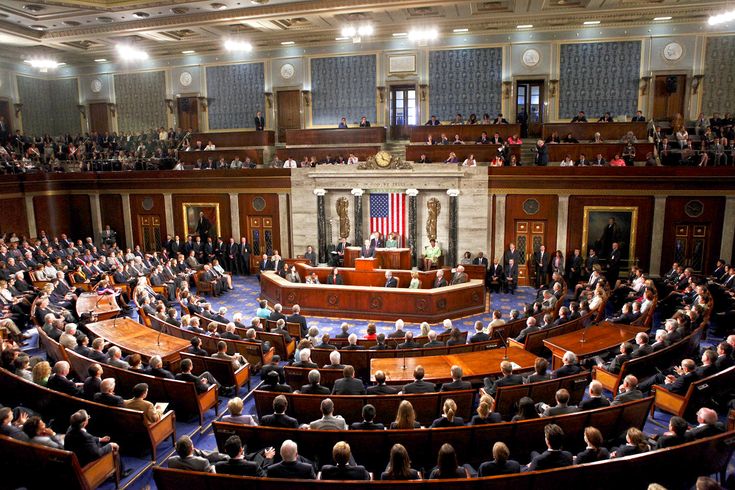
Federal courts, Social Security offices, and government agencies nationwide are closed for New Year’s Day, affecting services such as case filings, hearings, and benefits processing. Workers scheduled for judicial and administrative responsibilities will resume duties January 2.
Analysis & Impact:
Short-term impacts include delays in legal proceedings, document processing, and benefit adjudications. Individuals and attorneys must factor closures into deadlines when planning petitions and filings. Over the longer term, holiday closures have predictable cadence, allowing legal and administrative calendars to be structured around recognized pauses in operations.
Expert Insight / Broader Meaning:
Government service closures for holidays are routine yet demonstrate how institutional schedules interact with public expectations. In times of heightened policy debate and legal scrutiny, the pauses remind stakeholders that continuity and tradition persist even amid rapid political and social change.
13. New School and Workplace AI Regulations Reflect Rising Governance Focus
Background & Facts (What Happened):
Across multiple states, AI governance laws took effect on January 1, targeting discrimination in hiring and decision-making systems while requiring greater transparency from organizations using artificial intelligence. These rules follow growing public scrutiny of automated systems in employment, lending, and consumer engagement.
Analysis & Impact:
Employers using AI must adjust policies to comply with anti-bias protections and disclosure requirements. Schools and employers are adapting training and recruitment protocols in line with new governance frameworks. Longer term, these regulations may set precedents for national AI policy and contribute to a patchwork regulatory environment that technology developers must navigate strategically.
Expert Insight / Broader Meaning:
State-level AI regulation illustrates an emerging consensus that technological innovation necessitates ethical guardrails. By prioritizing fairness and accountability, these laws may catalyze broader federal discussions on AI standards that balance innovation with civil rights protections.
14. U.S. Travel Infrastructure and Public Services Adjust to 2026 Legal Landscape
Background & Facts (What Happened):
New state and federal laws affecting travel, labor, digital regulation, and consumer protections took effect on January 1, reshaping operational norms for public services and infrastructure. These laws vary regionally, requiring widespread public awareness and adjustment by institutions.
Analysis & Impact:
Public services, transportation hubs, and civic programs must incorporate legal changes — such as plastic bag bans, worker protection provisions, and labor scheduling rules — into daily operations. Longer term, incremental legal reforms may yield cumulative impacts on mobility, sustainability, and economic participation.
Expert Insight / Broader Meaning:
The concentrated rollout of legal adjustments at the start of 2026 reflects legislative calendars designed to provide clarity and transition time for stakeholders. Such systemic updates invite broader examination of how governance adapts to modern social, environmental, and technological challenges.
15. National Dialogue Evolves as Americans Enter a New Policy Era
Background & Facts (What Happened):
With the dawn of 2026, U.S. public discourse is shaped by an array of policy developments taking effect across immigration, labor, social media regulation, and economic supports. From expanded travel bans and fee increases to minimum wage hikes and Social Security adjustments, the national policy landscape has shifted appreciably.
Analysis & Impact:
These simultaneous changes influence public sentiment about governance, economic opportunity, and social priorities. In the short term, everyday experiences — from labor markets to digital interaction — reflect policy rhythms that legislators and administrators set in motion months prior. Over the long term, this mosaic of legislative action invites reflection on federalism, civic expectations, and democratic responsiveness in a complex era of domestic and global challenges.
Expert Insight / Broader Meaning:
The cumulative effect of these policy changes marks 2026 as a transitional year in American public life. From workforce reforms to immigration and technology regulation, the breadth of action underscores the interplay between state and federal governance in addressing 21st-century issues. How these measures resonate with the electorate and influence future policymaking will shape the American political and social landscape well beyond the opening weeks of the year.
About the Author