1. Begin with USAJOBS.gov — The Official Federal Portal

The first and most crucial step in obtaining a U.S. government job is registering on the central hub for all federal employment opportunities. This platform connects applicants with thousands of vacancies across agencies. You’ll need to create an account, upload a comprehensive federal résumé, and enable job alerts. USAJOBS allows you to tailor searches by location, salary range, or job series code. Federal résumés differ from private-sector ones, so ensure that yours includes detailed experience, hours worked, supervisor contacts, and measurable results. Adding keywords from job announcements helps your application pass the automated filters used by federal HR systems. Once your profile is ready, apply for multiple roles that match your qualifications. Timely submissions before deadlines are critical, as federal positions close quickly. A professional, well-formatted USAJOBS profile sets the foundation for success and ensures visibility among hiring managers across agencies.
2. Understand Federal Eligibility and Qualification Standards
Before submitting any application, confirm your eligibility and qualifications for the position. Each job announcement outlines specific education, experience, and documentation requirements under the “Qualifications” section. Missing even one requirement can lead to disqualification. Federal jobs are categorized under different hiring paths—such as public, veterans, recent graduates, or federal employees—so choose the right one. Understanding the GS (General Schedule) pay scale is equally vital, as it determines your salary range based on education and experience. For example, a GS-7 typically represents an entry-level professional role, while GS-12 or higher indicates advanced expertise.
Thank you for reading this post, don't forget to subscribe!Reviewing Office of Personnel Management (OPM) guidelines helps you gauge where you fit. Carefully reading each announcement ensures your résumé and documents meet expectations, minimizing rejections. Knowledge of qualification codes, occupational series, and grade levels helps you apply more strategically and boosts your success rate.
3. Customize a Federal-Style Résumé
A federal résumé is not the same as a standard résumé—it is longer, detailed, and structured according to government requirements. Typically ranging from four to six pages, it must include key information such as job titles, employment duration, hours per week, detailed accomplishments, and supervisor contacts. You should align your experience with the Knowledge, Skills, and Abilities (KSAs) outlined in the announcement. Use quantifiable metrics like “reduced data processing time by 25%” or “managed $1.2 million in grant funds.” This level of detail allows HR reviewers to verify your competence during background and qualification checks. Avoid generic statements; instead, tailor your résumé to match each position.
The more your résumé mirrors the announcement language, the higher your chances of passing automated filters. Mastering the federal résumé format is essential—it’s your ticket to getting shortlisted for interviews and moving forward in the hiring process.
4. Master the General Schedule (GS) Pay Scale

The General Schedule (GS) pay scale is the federal government’s standard pay classification system. It ranges from GS-1 (entry-level) to GS-15 (executive-level). Each grade is further divided into ten “steps,” allowing for incremental raises over time. Understanding GS levels helps you apply intelligently to positions suited to your qualifications. For instance, applicants with a bachelor’s degree may qualify for GS-5 or GS-7 roles, while those with advanced degrees or extensive experience may start at GS-9 or above. Knowing how GS levels correlate to experience and salary allows you to target the right opportunities and avoid under- or over-applying.
The GS scale also varies by location—major metropolitan areas have locality pay adjustments, increasing the base salary. Familiarizing yourself with this structure ensures realistic salary expectations, strategic applications, and a smoother negotiation process once you receive an offer.
5. Apply Early and Often to Multiple Agencies
Persistence is key in federal hiring. Unlike private employers, government agencies often take weeks or months to finalize selections. Submitting multiple, well-tailored applications increases your odds of success. Use the “Saved Searches” and “Job Alerts” features on USAJOBS to receive updates in real time. Applying early can give you an edge—many announcements close once they receive a set number of applications. Track all submissions using a spreadsheet, including job numbers, submission dates, and status updates. Federal hiring operates on structured cycles, so patience and consistency pay off.
Even if you’re not selected, agencies frequently keep your information on file for future roles. By continuously applying and refining your documents, you create momentum that eventually leads to interviews or offers. Treat each application as practice for perfecting your federal job strategy.
6. Target Agencies with Direct Hire Authority
Some federal departments use Direct Hire Authority (DHA) to speed up recruitment for hard-to-fill roles. Agencies like the Department of Veterans Affairs (VA), Transportation Security Administration (TSA), and U.S. Customs and Border Protection (CBP) frequently use this process. DHA bypasses traditional hiring stages such as competitive examinations and lengthy rating systems, allowing faster job offers. These roles often exist in high-demand sectors such as cybersecurity, healthcare, law enforcement, and engineering. If you have specialized credentials—like nursing, software development, or information security—you can qualify for accelerated consideration.
Monitor agency websites directly, as DHA roles may not always appear in standard USAJOBS searches. Applying under these programs can reduce the hiring timeline from several months to as little as four weeks, making it one of the fastest routes to enter federal service.
7. Participate in the Pathways Program

The Pathways Program provides structured entry points for students, recent graduates, and emerging professionals. It includes three main components: Internships, Recent Graduate positions, and the Presidential Management Fellows (PMF) Program. These programs allow individuals to gain hands-on experience, mentorship, and potential conversion to permanent roles. Internships are open year-round and are excellent for college students seeking exposure to public administration. The PMF program, targeted toward master’s or doctoral graduates, offers leadership training and career advancement within two years. Pathways opportunities are less competitive than mid-career positions and focus on career development.
Applicants can find listings through USAJOBS using the “Pathways” filter. Successful participants often transition seamlessly into permanent roles, establishing long-term careers in agencies like the Department of State, Treasury, or Health and Human Services.
8. Obtain Professional Certifications
Federal agencies highly value technical certifications that demonstrate verified expertise. Credentials in cybersecurity (CompTIA Security+, CISSP), data analytics (Power BI, Tableau), or project management (PMP, Agile) significantly improve your profile. These certifications often substitute for years of professional experience and make you eligible for specialized or direct-hire roles. For instance, the National Security Agency (NSA) and Department of Energy (DOE) prioritize candidates with cybersecurity and technical certifications
Earning these qualifications not only boosts your chances of being shortlisted but also accelerates onboarding due to reduced training needs. Many certifications are recognized across multiple agencies, expanding your employment scope. Furthermore, certified professionals often qualify for higher GS levels and pay grades. Investing time in obtaining in-demand certifications can reduce your waiting period for a federal position to less than six months.
9. Consider Contract-to-Hire Opportunities
Joining a federal contractor is an effective shortcut to full government employment. Contractors such as Lockheed Martin, Deloitte, Raytheon, and Booz Allen Hamilton manage numerous government projects and frequently hire skilled professionals under government contracts. Working as a contractor provides first-hand experience with federal systems, processes, and standards while earning a competitive salary. Many contractors also facilitate obtaining security clearances, which later make you more desirable to federal agencies.
After one to two years, high-performing employees often transition into direct federal positions, leveraging existing networks and project familiarity. This path helps you bypass long federal wait times while gaining valuable public-sector exposure. For individuals seeking quick entry and relevant experience, federal contracting represents a fast and strategic route to long-term government careers.
10. Use Veterans’ Preference (If Eligible)
Veterans possess a distinct advantage in federal hiring through the Veterans’ Preference Program, designed to honor military service by prioritizing veterans in competitive recruitment processes. Eligible veterans can gain extra points on civil service examinations or be placed ahead of non-veteran applicants. Many agencies reserve specific positions exclusively for veterans. To qualify, submit your DD-214 form or proof of service during your application. Combining this benefit with certifications or relevant experience increases your competitiveness. Veterans’ Preference applies across numerous departments, including Defense, Homeland Security, and Veterans Affairs.
The government also offers “VA for Vets” career services for transition assistance. Utilizing this policy effectively can significantly shorten your hiring timeline and enhance job stability while honoring your service to the nation.
11. Attend Federal Career Fairs and Hiring Events
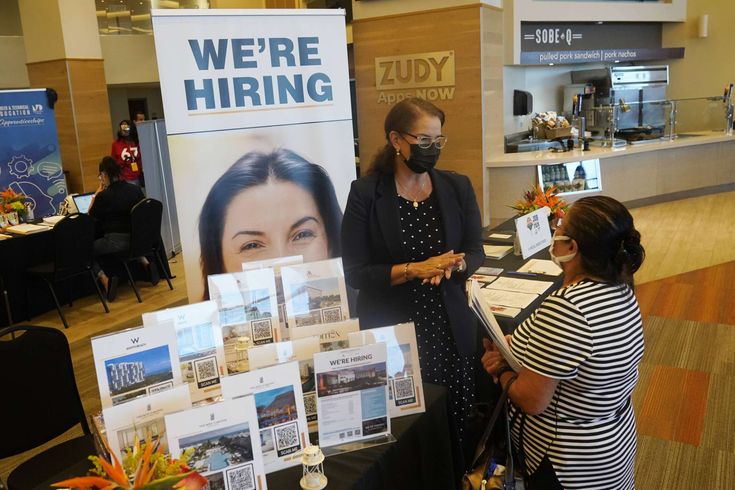
Federal career fairs are prime opportunities to connect directly with recruiters and hiring managers. These events are hosted at universities, civic centers, and virtually through platforms like USAJOBS and Handshake. They often include on-the-spot interviews and conditional offers for qualified candidates. Agencies like the Department of Homeland Security, FBI, and TSA regularly participate. To make a lasting impression, arrive professionally dressed, carry multiple copies of your federal résumé, and prepare a concise elevator pitch summarizing your strengths.
Ask thoughtful questions about the hiring process and available positions. Networking with recruiters also provides insights into agency needs and upcoming vacancies. By attending these events regularly, you can accelerate your job search, secure faster follow-ups, and even receive provisional job offers within weeks.
12. Explore State and Local Government Roles
While federal roles are highly desirable, state and local governments also provide excellent employment options with faster hiring cycles. Jobs in transportation, education, public health, and administration offer stable salaries, benefits, and promotional pathways. Each state has its own recruitment portal—for example, CalCareers (California) and MassCareers (Massachusetts)—where you can apply directly. Local hiring typically concludes within 30–60 days, making it faster than federal timelines. Gaining experience at the state or municipal level enhances your résumé and prepares you for eventual federal applications. Moreover, state employment offers valuable insight into government operations and community-level service delivery. For many candidates, local government work becomes a strategic stepping-stone to larger roles in federal agencies later in their careers.
13. Build Professional Networks and Use LinkedIn

Networking remains one of the most powerful tools for landing a federal job. Unlike the private sector, federal hiring values trusted referrals and verified connections. Establish relationships with federal employees, HR specialists, and program managers through LinkedIn or professional associations like ISACA, PMI, or AFCEA. Engage with government-focused communities such as GovLoop to learn about upcoming opportunities and best practices. Attending webinars, conferences, or online meetups allows you to interact with agency representatives directly. A strong professional network can lead to referral-based interviews, drastically improving your odds of selection. Consistent networking demonstrates your commitment to public service and positions you as an informed, proactive candidate in a competitive field.
14. Obtain or Maintain a Security Clearance
A security clearance significantly enhances your employability, especially in defense, intelligence, and homeland security agencies. These clearances (Confidential, Secret, or Top Secret) authorize access to sensitive government information. Candidates with an active clearance are preferred since the vetting process is costly and time-consuming. You can often obtain one through contractor employment, which sponsors clearances for federal projects. Once cleared, you become eligible for thousands of positions in the Department of Defense, NSA, or FBI. Maintaining clean financial, legal, and personal records is critical throughout this process. Having a clearance can shorten your hiring timeline and open doors to exclusive high-salary roles unavailable to uncleared applicants.
15. Leverage Diversity and Inclusion Hiring Programs
The U.S. government emphasizes workforce diversity through initiatives like the Federal Executive Women’s Program (FEWP), Minority Recruitment Initiative, and Schedule A Hiring Authority for individuals with disabilities. These programs streamline recruitment by offering direct or non-competitive placements for underrepresented candidates. Women, minorities, and differently-abled individuals can benefit from tailored mentoring, training, and fast-track interviews. Federal agencies are mandated to increase inclusivity, which translates into active hiring for diverse backgrounds. Participating in these programs not only accelerates employment but also connects you with supportive career development resources. This inclusive hiring culture reflects the federal government’s broader mission—ensuring equal opportunity while enriching public service with diverse perspectives and experiences.
About the Author