1. Justice Department Releases 11,000 New Epstein Files
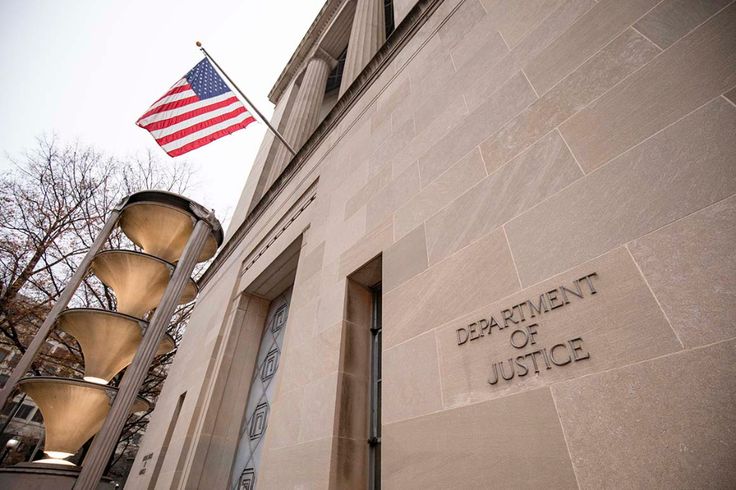
In a massive dump of over 11,000 documents and photos, the DOJ has fulfilled a legislative mandate to increase transparency surrounding the Jeffrey Epstein case. These files include a 2019 letter from Epstein to Larry Nassar, sent just days before Epstein’s death, where he mentions “taking the short route home.” Analysis: This release is shaking Washington and Hollywood alike. While many documents contain “untrue or sensationalist claims,” the sheer volume of new data—including flight logs and emails—is forcing a re-examination of high-profile associations. The political fallout is significant, as both major parties attempt to use the documents to frame their opponents ahead of the 2026 midterms.
2. U.S. GDP Surges to 4.3% in Third Quarter
New data from the Commerce Department shows the U.S. economy grew at a blistering 4.3% annual rate in Q3 2025, crushing analyst expectations of 3.2%. This growth was fueled by robust consumer spending and government investment, despite a recent government shutdown that delayed the data’s release. Analysis: This “crushing” growth print presents a paradox for the Federal Reserve. While the growth is a sign of a “resilient consumer,” it is accompanied by core inflation sticking at 2.9%, well above the 2% target. The Fed now faces a difficult choice: keep rates high to cool prices or cut them to prevent a cooling labor market from freezing over.
Thank you for reading this post, don't forget to subscribe!3. FCC Bans All New Foreign-Made Drones
The Federal Communications Commission has officially added major manufacturers like DJI and Autel to its “Covered List,” effectively banning the import or sale of new Chinese-made drone models in the U.S. The FCC cited “unacceptable risks to national security” and data privacy concerns. Analysis: This is a seismic shift for the commercial drone industry, where DJI currently holds a 70% market share. While aimed at security, the ban will immediately spike costs for U.S. law enforcement, agricultural sectors, and infrastructure inspectors who rely on these affordable platforms. It serves as a de facto industrial policy to force the growth of a domestic drone manufacturing base.
4. U.S. Navy Seizes Second Oil Tanker Near Venezuela
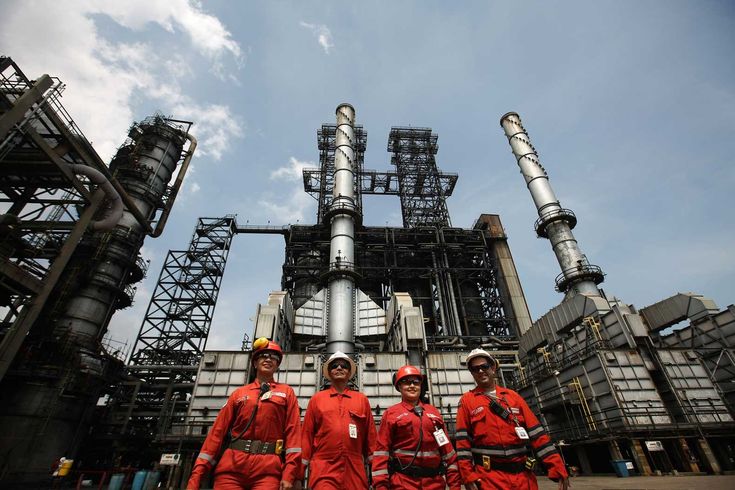
Escalating a maritime blockade, U.S. forces have intercepted and seized a second oil tanker in international waters off the coast of Venezuela. President Trump confirmed the U.S. would “keep the oil and the ships,” alleging the cargo was destined to fund sanctioned regimes. Analysis: This represents a move from “maximum pressure” to “direct intervention.” By physically seizing assets, the U.S. is testing the limits of international maritime law. This has prompted Russia and China to pledge increased support for the Maduro administration, turning the Caribbean into a high-stakes theater of global power competition.
5. Controversy Over New “Trump-Class” Navy Battleships
The Pentagon has announced plans for a new generation of “Golden Fleet” warships to be known as “Trump-class” battleships. The initiative aims to modernize the Navy with heavy-hitting surface vessels, departing from the carrier-centric doctrine of previous decades. Analysis: Military analysts are divided. Proponents argue that “big-gun” diplomacy and armored surface ships are necessary for modern littoral combat. Critics, however, view it as a vanity project that diverts billions from autonomous systems and cyber-defense, which are increasingly seen as the true future of naval warfare.
6. Supreme Court Weighs Legality of Universal Tariffs
The U.S. Supreme Court is currently deliberating on a landmark case regarding the President’s use of the International Emergency Economic Powers Act (IEEPA) to impose broad tariffs on nearly all nations. A ruling is expected in early 2026. Analysis: The outcome will determine the future of U.S. trade policy. If the Court rules against the administration, it could strip the executive branch of its most potent economic weapon. Businesses are currently in a state of “strategic paralysis,” holding off on major investments until they know if the current trade barriers are permanent or unconstitutional.
7. Violence Against Journalists Hits Record High
A new report from the Freedom of the Press Foundation indicates that assaults against journalists in the U.S. in 2025 have equaled the total of the previous three years combined. Most incidents occurred during protests related to mass deportation policies. Analysis: This trend signals a deepening crisis in the relationship between law enforcement and the First Amendment. The increase in physical confrontations—often involving non-lethal munitions and batons—suggests a breakdown in the “neutral observer” status of the press, creating a chilling effect on investigative reporting at a local level.
8. FDA Approves First Oral Wegovy Pill for Obesity
The FDA has granted approval for a pill-form version of the blockbuster weight-loss drug Wegovy. This marks the first oral GLP-1 medication specifically indicated for chronic weight management, moving away from the need for weekly injections. Analysis: While a medical breakthrough for patient ease, the approval comes as new studies show “GLP-1 fatigue” among older Americans. Approximately 60% of users over 65 are discontinuing the drugs within a year due to muscle loss and high costs. The “pill” may solve the needle-phobia issue, but it doesn’t address the underlying metabolic and fitness trade-offs for the elderly.
9. CUSMA Trade Review Looming for 2026
The Canada-U.S.-Mexico Agreement (CUSMA) is entering its mandatory review phase. Reports today suggest the U.S. will push for even stricter “regional content” rules, particularly in the EV and battery sectors, to further decouple the North American supply chain from China. Analysis: This review is essentially a renegotiation. The U.S. is leveraging its market size to “poach” manufacturing from its neighbors. For Canada and Mexico, the challenge is to maintain access to the U.S. market without sacrificing their own sovereign economic interests, especially as the U.S. moves toward a more protectionist stance.
10. George Conway Files for Congress as a Democrat

George Conway, the conservative lawyer and prominent critic of the current administration, has officially filed paperwork to run for a House seat in New York City. He is running as a Democrat, positioning himself as a “constitutionalist alternative.” Analysis: Conway’s run represents the final stage of the “Never-Trump” migration into the Democratic Party. His candidacy will be a litmus test for whether moderate, suburban voters are more motivated by traditional conservative policy or by a desire to provide a check on the current executive’s power.
11. ICE Seeks to Dismiss 8,000 Asylum Cases
Immigration and Customs Enforcement (ICE) has filed requests to toss out over 8,000 asylum claims in immigration courts, proposing that the individuals be sent to “safe third countries” instead of having their cases heard in the U.S. Analysis: This is a tactical shift in immigration enforcement. By clearing the court dockets through dismissal rather than adjudication, the administration can expedite the removal of thousands. It essentially moves the U.S. toward an “externalized” asylum system, similar to models used in Europe, where the burden of processing is shifted to other nations.
12. “Special Envoy for Greenland” Sparks Diplomatic Row
The U.S. has appointed a new special envoy to Greenland, a move that has drawn sharp criticism from Denmark and France. Danish officials have summoned the U.S. Ambassador, reiterating that Greenland’s borders are “intangible” and its sovereignty is not for sale. Analysis: This reignites a dormant geopolitical ambition. The U.S. views Greenland as a critical strategic asset for Arctic defense and rare-earth mineral extraction. However, by bypassing traditional diplomatic channels with Denmark, the U.S. risks alienating key NATO allies at a time when European stability is already precarious.
13. IonQ to Deliver 100-Qubit Quantum System to South Korea

In a major leap for quantum computing, U.S.-based IonQ has finalized a deal to deliver its “Tempo 100” system to South Korea. This will establish one of the world’s first commercially operational 100-qubit quantum centers. Analysis: This is as much about “quantum diplomacy” as it is about technology. By exporting high-level quantum capabilities to South Korea, the U.S. is solidifying a tech-alliance against China’s rapid quantum advancements. The 100-qubit threshold is significant because it is the point where quantum computers begin to outperform classical supercomputers in specific complex simulations.
14. Aetna to Cover IVF for Same-Sex Couples
A federal judge has approved a preliminary settlement requiring Aetna to provide fertility treatment coverage for same-sex couples on the same terms as heterosexual couples. Previously, same-sex couples faced significant out-of-pocket hurdles. Analysis: This is a landmark victory for reproductive equity. It sets a legal precedent that “medical necessity” in fertility cannot be defined in a way that excludes LGBTQ+ individuals. Expect other major insurers to follow suit quickly to avoid similar class-action litigation, fundamentally changing the landscape of family planning in America.
15. Powerball Christmas Eve Jackpot Reaches $1.7 Billion
The Powerball jackpot has surged to an estimated $1.7 billion for the Christmas Eve drawing, making it one of the largest in U.S. history. No one has hit the grand prize in over 30 consecutive drawings. Analysis: Beyond the “lottery fever,” the massive jackpot reflects the current economic climate where many Americans view such games as a “Hail Mary” for financial security. Historically, these massive jackpots also provide a temporary boost to state revenues, as millions of “casual” players join the pool during the holiday season.
About the Author