



Joint Israeli–US Strikes Inside Iran
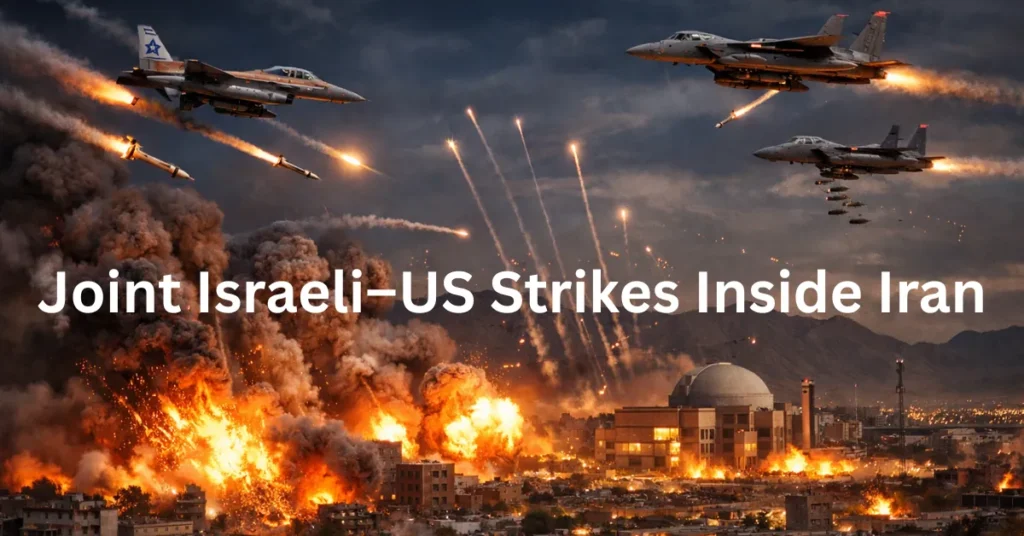
The latest wave of military strikes reportedly involved the Israel and the United States targeting strategic military and intelligence sites inside Iran, particularly near Tehran.

What This Means:
- These strikes were aimed at weakening Iran’s missile production facilities and command centers.
- Deep-territory targeting suggests highly coordinated intelligence operations.
- This marks one of the most direct confrontations between the two sides in recent history.
Military analysts believe such operations are meant to cripple Iran’s ability to respond effectively in the long term.
Death of Supreme Leader Ayatollah Ali Khamenei
Reports confirm the death of Ali Khamenei, Iran’s Supreme Leader, during a high-level strike.
Why This Is Historic:
- He was Iran’s most powerful authority, overseeing military and political decisions.
- His death creates a major leadership vacuum in Iran.
- It may trigger internal political reshuffling or instability.
This development significantly alters Iran’s chain of command and may influence how the country responds moving forward.
Iran’s Massive Retaliatory Strikes
Following the attacks, Iran launched waves of ballistic missiles and drones targeting Israeli territory and U.S. military installations in the region.
Key Developments:
- Missile alerts were activated in multiple Israeli cities.
- Defense systems intercepted several projectiles.
- Regional military bases were placed on high alert.
The retaliation indicates that Iran intends to demonstrate strength despite leadership losses.
Global Flight Disruptions and Airspace Closures

Due to escalating security risks, major international airlines suspended flights across Middle Eastern airspace.
Impact on Travel:
- Hundreds of global flights cancelled or rerouted.
- Indian carriers halted operations to affected destinations.
- Airspace near conflict zones declared unsafe.
This disruption is not only regional but global, affecting trade, tourism, and business travel.
Civilian Casualties and Infrastructure Damage
Both sides have reported civilian injuries and infrastructure damage.
Humanitarian Concerns:
- Residential buildings damaged by missile strikes.
- Emergency services overwhelmed in certain areas.
- Hospitals operating under emergency protocols.
As conflicts intensify, civilians bear the highest cost — highlighting the urgent need for de-escalation.
Global Diplomatic Reactions
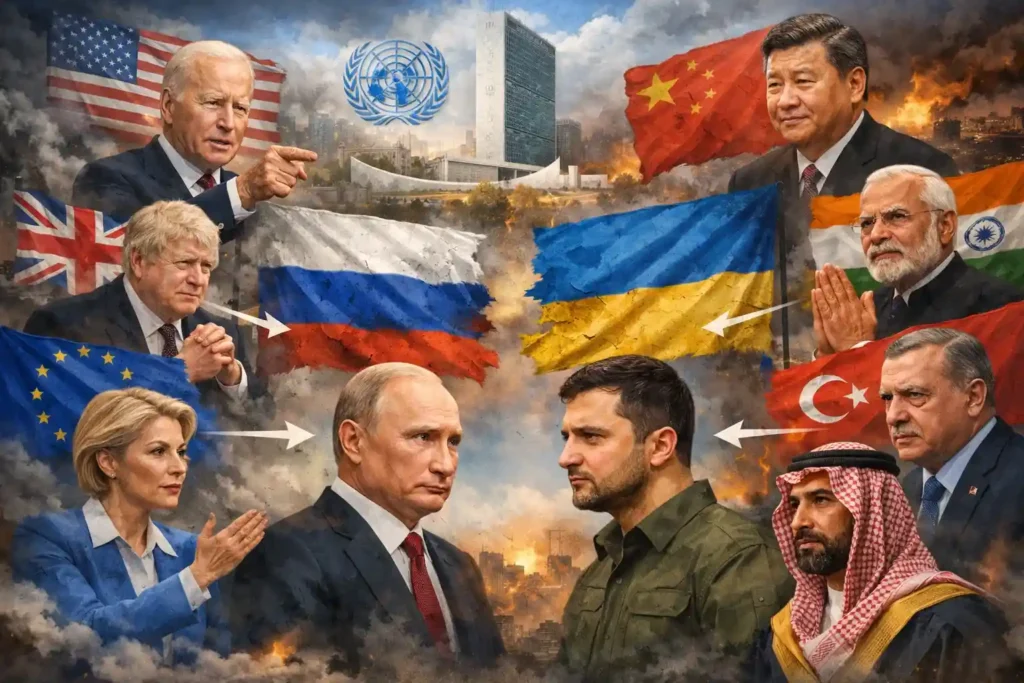
Major global powers have responded with caution and concern.

International Response:
- Calls for immediate ceasefire from European and Asian nations.
- Emergency United Nations consultations.
- Diplomatic efforts underway to prevent regional spillover.
Global leaders fear that prolonged fighting could destabilize the entire Middle East.
Regional Defense Systems Activated
Neighboring countries activated advanced air defense systems in response to incoming threats.
Security Measures:
- Missile interception systems deployed.
- Borders monitored strictly.
- Military forces placed in defensive positions.
This shows that surrounding nations are preparing for potential regional expansion of the conflict.
Internal Unrest Within Iran
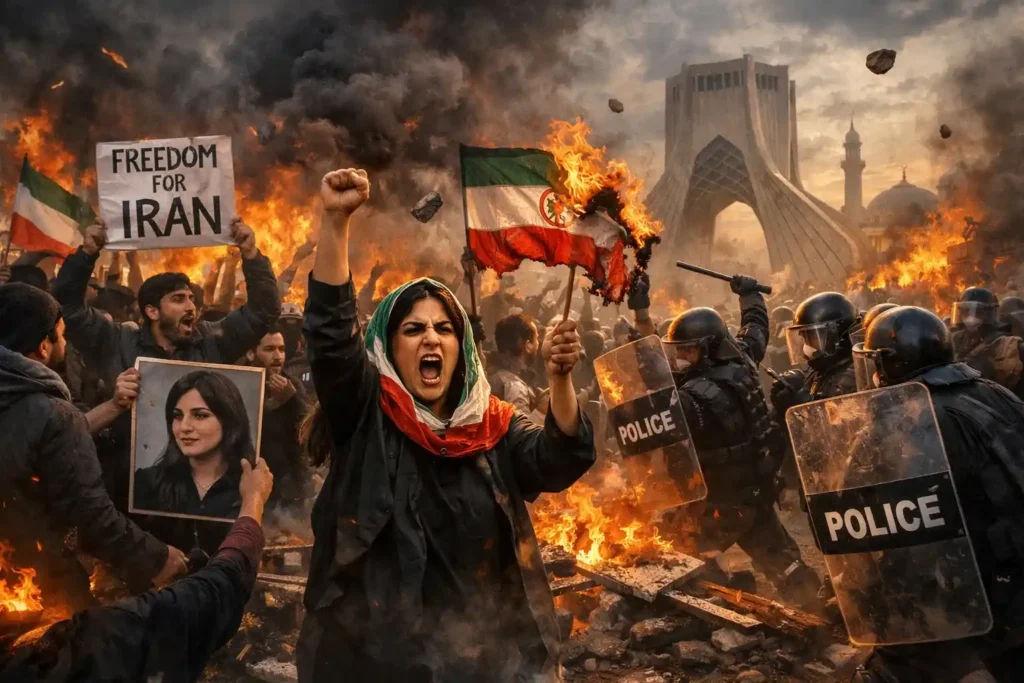
Following leadership loss and airstrikes, reports suggest rising public tension inside Iran.
Possible Effects:
- Public demonstrations in major cities.
- Increased security patrols.
- Political uncertainty regarding succession.
Internal instability could shape Iran’s long-term political direction.
vacuation of Foreign Nationals
Several governments have advised their citizens to leave both Iran and Israel.
Evacuation Measures:
- Special flights arranged.
- Embassy advisories issued.
- Border crossings monitored.
Safety advisories reflect growing international concern over further escalation.
Economic and Oil Market Impact
The conflict has shaken global financial markets, particularly energy markets.
Economic Effects:
- Oil prices showing volatility due to supply fears.
- Stock markets reacting cautiously.
- Investors shifting toward safe-haven assets like gold.
Since the Middle East plays a major role in global oil supply, instability directly affects worldwide economies.
Overall Situation Analysis
The confrontation between Iran and Israel has entered one of its most dangerous phases in decades. With leadership changes, retaliatory strikes, and international involvement, the situation remains highly volatile. The coming days will determine whether diplomacy prevails or escalation continues.
Frequently Asked Questions (FAQ)
Q1. Why did the conflict escalate now?
Recent military operations targeting strategic leadership and infrastructure significantly intensified existing tensions.
Q2. Is this a full-scale war?
While not formally declared, the scale of attacks and retaliation resembles open warfare.
Q3. Could other countries get involved?
Yes. Regional defense activations and global diplomatic reactions indicate broader geopolitical risk.
Q4. How does this affect global oil prices?
Oil markets react quickly to Middle East instability, causing price fluctuations.
Q5. Is travel to the region safe?
Many airlines have suspended operations. Governments are advising caution and evacuation.
Conclusion
As of March 1, 2026, the Iran–Israel conflict represents a critical geopolitical flashpoint. The death of Iran’s top leader, coordinated military strikes, retaliatory missile launches, and global diplomatic tensions have created an atmosphere of uncertainty. While international efforts are focused on preventing further escalation, the region remains on high alert.
About the Author


