


1. Identify High-Growth Industries
The first step to landing a high-paying job in the U.S. is understanding which industries are expanding rapidly and promise long-term stability. Sectors like technology, finance, healthcare, renewable energy, and artificial intelligence are leading the way. These fields continually generate high-demand roles such as data scientists, AI engineers, cybersecurity experts, and financial analysts. Researching industry reports, studying trends, and following U.S. economic forecasts help identify where opportunities lie. Emerging areas like biotechnology, robotics, and clean energy are also creating six-figure positions. Focusing on such industries ensures not only a strong income potential but also job security in a constantly evolving global economy. Professionals who align their skills early with these growing sectors are better positioned to thrive and advance in competitive U.S. markets.
2. Use Reliable Research Platforms
Informed decisions require credible data. Platforms such as the U.S. Bureau of Labor Statistics (BLS) provide reliable information about job growth, salary expectations, and future projections. Supplement this with insights from Glassdoor, LinkedIn Salary Insights, and Indeed, which reveal employer expectations and compensation benchmarks. Studying such data ensures your job choices are evidence-based rather than speculative. Moreover, BLS reports help identify declining sectors to avoid. Analyzing growth rates and pay scales empowers candidates to select industries that offer not only high salaries but also consistent upward mobility. Research-backed decisions eliminate guesswork and focus your efforts on sectors with proven stability and strong future potential.
3. Align Skills with Industry Demands
The U.S. job market values relevance. To stand out, align your technical and soft skills with current industry needs. Employers increasingly seek candidates proficient in data analytics, programming, AI tools, financial modeling, and digital marketing. Soft skills like critical thinking, collaboration, and communication remain equally crucial. Use online courses, bootcamps, or degree programs to strengthen weak areas. Stay current with emerging technologies such as machine learning or blockchain, as U.S. companies prioritize adaptability. The more aligned your skillset is with real-world demand, the greater your chances of landing a top-paying role. Skills are currency—and the right mix opens doors to limitless opportunities.
4. Build a Strong Educational Foundation

Education remains a cornerstone of career success in the United States. Most high-paying positions require at least a bachelor’s degree, and many employers prefer candidates with a master’s or MBA in business, technology, or finance. Pursue your degree from an accredited university to ensure recognition. For international graduates, having credentials evaluated through organizations like World Education Services (WES) is crucial. It validates your education for U.S. employers and immigration authorities. Specialized programs in STEM fields offer greater salary potential and job flexibility. Employers value not just academic achievement but also practical knowledge—so internships and research work during your studies can strengthen your profile significantly.
5. Obtain Industry-Recognized Certifications
Certifications act as proof of specialization and commitment to professional growth. Credentials like AWS Certified Solutions Architect, PMP (Project Management Professional), CFA (Chartered Financial Analyst), and CompTIA Security+ can dramatically boost your credibility and salary. For tech roles, certifications validate technical expertise, while finance and project management credentials demonstrate leadership and analytical ability. They often bridge experience gaps, particularly for newcomers to the U.S. job market. Maintaining certifications through continuing education ensures long-term career advancement. Each credential adds measurable value, making you more attractive to employers and positioning you as a serious professional ready for high-impact roles.
6. Create a World-Class Resume
Your resume is your first impression—and it must reflect excellence. Focus on achievements, not just duties. Use quantifiable results such as “increased sales by 30%” or “optimized system efficiency by 25%.” Incorporate industry-specific keywords to ensure your resume passes Applicant Tracking Systems (ATS). Keep formatting clean, modern, and professional. Tailor each resume to match the job description—highlighting relevant experiences, tools, and certifications. Limit it to 1–2 pages unless you have extensive experience. U.S. employers value precision and clarity, so avoid unnecessary personal details. A powerful resume speaks your worth before you even attend the interview.
7. Build a Strong LinkedIn Profile

LinkedIn is your professional identity online. Create a profile with a professional photo, an impactful headline, and a compelling About section summarizing your expertise and career goals. Use your experience section to tell a story of measurable impact. Add certifications, achievements, and skill endorsements from colleagues. Stay active by sharing insights, commenting on industry posts, and networking with professionals in your field. Recruiters in the U.S. often search directly on LinkedIn, so optimizing your profile with keywords related to your target role is essential. A powerful LinkedIn profile often leads to direct job offers and collaborations.
8. Gain U.S.-Relevant Experience
Practical exposure to U.S. workplace culture is invaluable. Seek internships, remote projects, or freelance roles with American companies to understand their communication styles, productivity standards, and expectations. This helps you adapt to local norms and enhances your credibility. For international professionals, volunteering for nonprofit organizations or joining professional groups adds local experience to your portfolio. Employers value candidates who demonstrate familiarity with American business culture. This experience not only strengthens your resume but also builds your confidence for future interviews and on-the-job success.
9. Develop Transferable Skills
High-paying roles in the U.S. require a mix of technical proficiency and transferable skills such as leadership, problem-solving, and communication. These abilities make you versatile and adaptable to multiple roles. Participate in leadership programs, team projects, and cross-functional collaborations to build these competencies. Transferable skills enhance your value in uncertain job markets and open doors to management-level opportunities. Employers increasingly prioritize candidates who can lead, innovate, and collaborate effectively—qualities that set high earners apart from the rest.
10. Understand Visa and Work Authorization

For international job seekers, understanding the U.S. immigration system is critical. The H-1B, L-1, and O-1 visas cater to professionals with specialized skills. Students can gain experience through OPT and STEM OPT extensions. Research companies with a strong record of visa sponsorship, like Google, Amazon, or Deloitte. Stay updated on U.S. immigration policies, and consult legal professionals if necessary. Proper planning ensures smoother employment transitions and helps you avoid visa-related challenges. Familiarity with immigration frameworks gives you confidence during interviews and makes you a more prepared candidate.
11. Build a Professional Portfolio
An online portfolio showcases your practical abilities beyond a resume. Use platforms like GitHub, Behance, or Notion to display case studies, completed projects, and client testimonials. Include detailed descriptions that demonstrate how you solved problems or achieved measurable outcomes. For creative fields, visuals and data-driven results work best. Keep your portfolio organized, updated, and professional. It helps recruiters quickly understand your technical and creative strengths, setting you apart from competitors. A polished portfolio acts as living proof of your value and readiness for complex projects.
12. Master U.S. Workplace Culture
Cultural adaptability is key to success in any foreign job market. The U.S. workplace emphasizes punctuality, direct communication, teamwork, and accountability. Learn to express ideas clearly, listen actively, and respect diversity. Participate in cultural orientation programs, webinars, and networking events to improve your understanding. Employers appreciate professionals who seamlessly integrate into American corporate culture. Adapting to workplace norms shows emotional intelligence and professionalism—both vital for leadership and long-term growth in high-paying careers.
13. Network Strategically
Networking opens doors that qualifications alone cannot. Attend industry conferences, job fairs, and LinkedIn events. Engage with alumni groups and professional associations. Effective networking builds genuine relationships that often lead to referrals—a major hiring factor in U.S. companies. Approach connections with a mindset of learning and collaboration, not just job-seeking. Stay in touch with mentors and former colleagues. A strong network amplifies your visibility, credibility, and access to exclusive job opportunities with top employers.
14. Negotiate Salary and Benefits
Negotiation is a professional skill that directly impacts lifetime earnings. Before accepting any offer, research salary benchmarks using platforms like Payscale, Levels.fyi, and Glassdoor. Understand your value and articulate it confidently. Discuss not only base pay but also bonuses, stock options, healthcare benefits, and retirement plans. Use data-driven reasoning rather than emotion. Employers respect candidates who negotiate professionally—it signals competence and awareness. Even small negotiation wins early in your career compound into major financial advantages over time.
15. Commit to Lifelong Learning
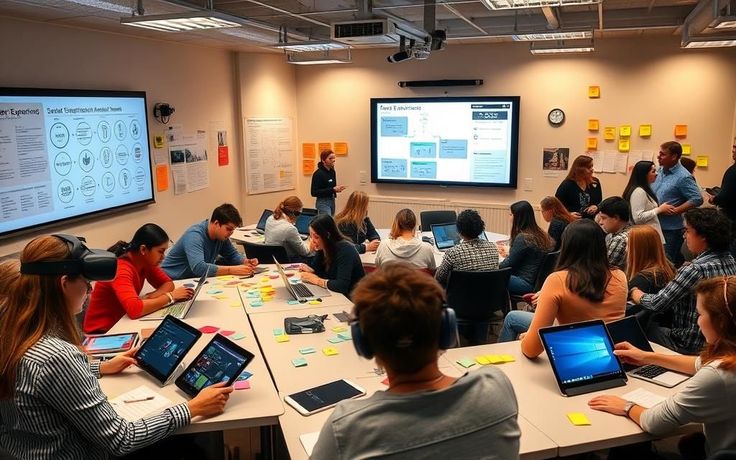
The highest-paying professionals never stop learning. The U.S. job market evolves rapidly, driven by AI, automation, and data transformation. Stay ahead through online courses, workshops, certifications, and mentorship programs. Read industry publications and join professional forums. Continuous learning not only enhances your value but also ensures job security in dynamic industries. Adaptability and growth mindset are the cornerstones of long-term success. The more you invest in self-development, the more opportunities—and higher salaries—you attract.
About the Author