
1. Maintain Strict Personal Hygiene
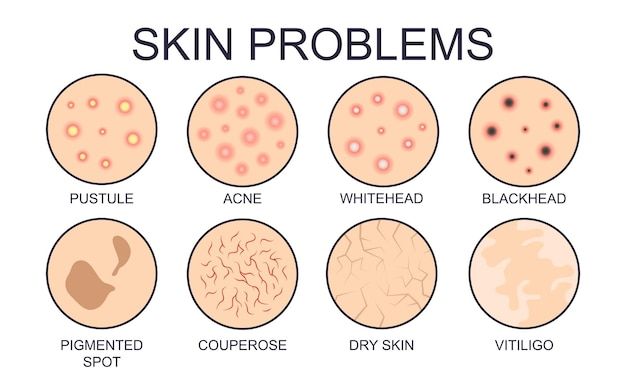
Maintaining proper hygiene is the foundation of preventing and managing skin infections. Regular bathing with a mild, antiseptic soap removes dirt, sweat, and harmful microorganisms that accumulate on the skin. Focus on moisture-prone areas like the armpits, groin, and between the toes, where bacteria and fungi tend to grow. Rinsing thoroughly ensures no soap residue remains, as leftover chemicals can irritate the skin. After washing, gently pat the skin dry using a clean, soft towel—never rub harshly, as it may damage the surface and increase infection risk. Moisture retention promotes fungal growth, so thorough drying is essential. Maintaining cleanliness reduces microbial buildup, enhances healing, and prevents recurrence. Consistency is key; make hygiene a daily habit to protect skin integrity. These basic yet powerful steps strengthen the body’s natural defense barrier and significantly minimize the risk of bacterial, viral, and fungal infections.
2. Focus on Effective Bathing Techniques
Daily bathing using warm—not hot—water supports healthy skin function. Hot water strips away natural oils, leading to dryness and irritation, which can compromise the skin’s protective barrier. Antiseptic soaps with gentle formulations such as chlorhexidine or neem-based extracts can effectively remove bacteria without causing sensitivity. Concentrate on cleansing folds, joints, and sweat-heavy areas. If you live in a humid environment or engage in strenuous physical activity, consider bathing twice daily. Avoid using loofahs or harsh scrubbing tools that can create micro-tears, allowing bacteria to enter.
After showering, use separate towels for face and body, wash them frequently, and ensure they dry completely. This disciplined bathing routine not only ensures freshness but also reduces bacterial load on the skin, minimizing the likelihood of infection. Regular bathing forms the backbone of dermatological health and enhances both comfort and confidence in everyday life.
3. Keep Skin Dry and Moisture-Free
Excess moisture on the skin is one of the most common causes of fungal and bacterial infections. Microbes thrive in warm, damp environments, particularly in skin folds and areas with limited airflow. After bathing, make sure to dry all regions thoroughly, especially the groin, armpits, under the breasts, and between toes. Applying antifungal or talcum powder helps absorb excess moisture and maintains a dry surface. Wearing breathable fabrics like cotton allows air circulation and prevents sweat buildup. Avoid prolonged dampness from tight clothing, excessive sweating, or wet footwear. During humid seasons, use a fan or air conditioning to keep your surroundings ventilated.
These small but vital practices create an unfavorable environment for pathogens, significantly lowering infection risks. Consistent moisture control keeps the skin healthy, reduces irritation, and ensures comfort while serving as a reliable defense against recurring infections.
4. Practice Proper Hand Hygiene

Hands are frequent carriers of bacteria and germs that can easily transfer to the skin, wounds, or sensitive areas. Washing hands regularly with soap and warm water is a simple yet powerful way to reduce infection risk. Pay attention to the spaces between fingers, under nails, and around wrists. If soap and water are unavailable, use alcohol-based sanitizers with at least 60% alcohol content. Always clean your hands before touching wounds, applying ointments, or dressing infected skin. Avoid contact with contaminated surfaces immediately after cleaning. Consistent hand hygiene breaks the chain of infection transmission, especially in households or workplaces where skin infections may spread quickly.
Encouraging everyone in your environment to follow these practices fosters collective protection. By integrating frequent handwashing into daily routines, you effectively protect yourself and others, ensuring cleaner, healthier skin and preventing microbial contamination.
5. Follow Correct Wound Care Practices
Proper wound management is vital to prevent infection and promote healing. Immediately clean cuts, scrapes, or burns with mild soap and clean water to remove dirt and debris. Apply an antiseptic solution such as povidone-iodine or chlorhexidine to disinfect the wound surface. Cover the area with a sterile bandage to shield it from bacteria, dust, and friction. Change the dressing daily or whenever it becomes moist. Avoid touching open wounds with unwashed hands. For deep or persistent wounds, seek professional medical advice to prevent complications like abscess formation or cellulitis. Avoid using strong chemicals or home remedies that might irritate the skin further.
Prompt attention to minor wounds prevents escalation into severe infections. Maintaining cleanliness and using sterile dressings supports the body’s natural healing mechanism and significantly lowers the risk of scarring and secondary bacterial invasion.
6. Maintain Clothing and Laundry Hygiene
Wearing clean and breathable clothing is essential for infection prevention, particularly in hot or humid climates. Choose loose-fitting garments made of natural fabrics such as cotton, which absorb moisture and allow air circulation. Change undergarments and socks daily, or more frequently during heavy perspiration. Avoid synthetic materials like nylon and polyester, as they trap sweat and heat, promoting bacterial growth. Wash infected clothing and towels separately in hot water using disinfectants. Dry garments under direct sunlight, as ultraviolet rays act as natural sterilizers. Refrain from reusing unwashed gym or sleepwear. Applying antifungal powder to areas prone to friction, like the groin or underarms, further prevents infection.
Clothing hygiene is a simple yet effective barrier against reinfection and irritation, maintaining a healthy skin environment. Consistent attention to fabric cleanliness enhances comfort while ensuring the skin remains free of harmful microorganisms.
7. Avoid Sharing Personal Items
Sharing personal care items such as towels, razors, bedding, or clothing is one of the leading causes of cross-contamination. Pathogens like Staphylococcus aureus and fungal spores can survive on surfaces and transfer easily between users. Each individual should maintain their own hygiene set, including combs, soap, and grooming tools. In communal settings like gyms or salons, ensure all equipment is properly sanitized before use. Encourage family members to practice the same to prevent recurring infections within households. Wash towels and linens regularly with disinfectant and dry them in sunlight. Even seemingly harmless habits, such as borrowing clothes, can spread microbes and aggravate skin conditions.
Establishing strict personal hygiene boundaries minimizes risks and reinforces preventive care. Avoiding item sharing is a key lifestyle adjustment that strengthens infection control and safeguards skin integrity over time.
8. Avoid Scratching or Popping Lesions
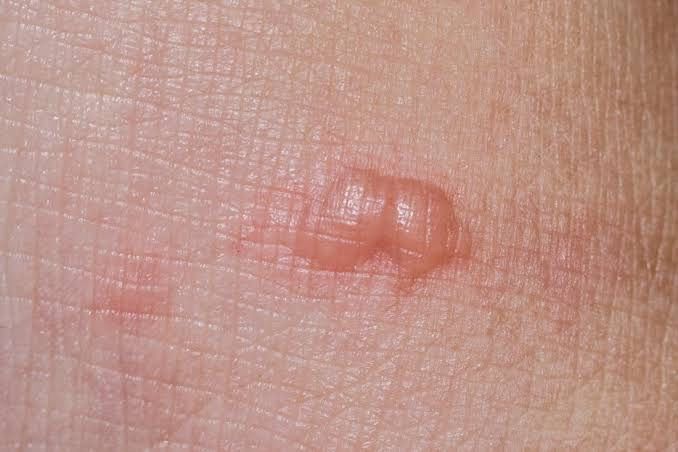
Scratching infected areas or popping boils may provide temporary relief but leads to serious consequences such as scarring, inflammation, and bacterial spread. Breaking the skin barrier introduces new germs and delays healing. Instead, manage itching by applying soothing lotions such as calamine, aloe vera, or medically recommended antihistamine creams. Warm compresses can help relieve discomfort in cases of boils or abscesses by promoting natural drainage. Keeping fingernails short and clean minimizes accidental damage while scratching. For severe itching, consult a dermatologist for safe medication. Covering infected areas with a breathable bandage can also prevent accidental irritation and microbial transfer.
Understanding the risks of touching infected skin encourages safer handling. By maintaining restraint and using professional care methods, you allow natural healing to occur efficiently and prevent further spread of infection or permanent scarring.
9. Apply Medical or Topical Treatments Properly
Topical medications, such as antifungal creams, antibiotic ointments, or hydrocortisone, are central to treating localized infections. These products target the infected area directly, reducing inflammation, itching, and discomfort while accelerating healing. Always clean the area before applying any medication. Follow your healthcare provider’s instructions on dosage and duration; stopping treatment early can lead to recurrence. Avoid overusing antibiotics to prevent resistance. For fungal infections, ensure you continue application for several days after symptoms subside to prevent relapse. Combining medical treatment with good hygiene enhances effectiveness. Seek medical supervision before mixing multiple products.
Topical therapy provides focused relief with minimal systemic side effects, ensuring safer and faster recovery. Proper usage not only eradicates infections effectively but also restores the skin’s natural balance, leaving it healthy and resilient against future bacterial or fungal challenges.
10. Seek Dermatological Consultation for Diagnosis
Not all skin infections are the same—bacterial, fungal, and viral conditions often look similar but require distinct treatments. Consulting a dermatologist ensures accurate diagnosis through clinical examination or laboratory tests such as swabs and cultures. Self-diagnosing or using random creams can worsen the infection or cause allergic reactions. Professional evaluation identifies the underlying cause, whether it’s microbial, allergic, or hormonal. Dermatologists can recommend the right medication, hygiene regimen, and preventive strategies based on your skin type. Timely diagnosis prevents chronic recurrence and minimizes complications. Regular follow-ups help track healing and adjust treatment as needed.
Trusting professional guidance leads to safer, faster recovery and prevents misuse of medicines. Accurate diagnosis is the cornerstone of effective infection management, ensuring optimal skin health and long-term protection.
11. Control Sweat and Moisture Exposure
Sweat management is crucial for preventing bacterial and fungal proliferation. Daily cleansing removes excess oils and salts that can clog pores. After sweating, dry the skin immediately and change into clean clothes. Use absorbent powders in friction-prone areas to minimize dampness. Opt for natural, breathable fabrics like cotton and linen, and avoid prolonged exposure to heat and humidity. Maintain indoor airflow with fans or air conditioning during hot weather. For individuals prone to hyperhidrosis (excessive sweating), medical antiperspirants or clinical consultation may help.
Proper sweat control reduces the risk of infections like athlete’s foot, ringworm, and intertrigo. These preventive steps, when practiced consistently, ensure a clean and balanced skin environment. Long-term moisture management forms the foundation of sustained skin health and prevents recurring dermatological issues.
12. Support Recovery with a Balanced Diet

Nutrition plays a vital role in skin repair and immune defense. Include foods rich in Vitamins A, C, E, and zinc, which aid tissue regeneration and combat free radicals. Antioxidant-rich fruits, green vegetables, nuts, and seeds promote cellular renewal. Stay hydrated by drinking at least 2–3 liters of water daily to flush out toxins and maintain elasticity. Avoid processed and sugary foods that increase inflammation and slow recovery. Probiotics from yogurt or fermented foods improve gut health, which directly influences skin immunity. Omega-3 fatty acids from fish or flaxseed reduce inflammation and enhance healing.
A consistent, nutrient-dense diet accelerates recovery and builds resistance against future infections. Balanced nutrition complements topical care by strengthening the skin from within, ensuring long-lasting protection and vitality.
13. Incorporate Natural and Ayurvedic Remedies Carefully
Natural and Ayurvedic treatments can complement medical therapy when used responsibly. Ingredients like neem, turmeric, aloe vera, and tea tree oil possess proven antimicrobial and anti-inflammatory properties. Neem paste or water cleanses infected areas, while turmeric (curcumin) supports healing internally and externally. Aloe vera soothes irritation and aids regeneration. However, always test new remedies on a small area to rule out allergic reactions. Avoid applying raw herbal mixtures directly to open wounds. Ayurvedic oils such as “Nalpamaradi Tailam” may enhance overall skin texture. Use these remedies as supportive care, not as replacements for prescribed medications. Consult a qualified practitioner before integrating herbal therapies. Properly balanced natural care strengthens immunity, relieves symptoms, and complements modern medicine, promoting safe, holistic recovery.
14. Manage Stress and Get Adequate Sleep

Chronic stress weakens immunity and delays healing by elevating cortisol levels. This hormonal imbalance worsens conditions like acne, eczema, or psoriasis. Implement relaxation practices such as meditation, yoga, deep breathing, or light exercise to reduce stress and improve circulation. Quality sleep—at least seven to eight hours nightly—is vital for tissue repair and immune balance. Maintain a calming bedtime routine and reduce screen exposure before sleep. Listening to soothing music or reading helps relax the mind. Regular exercise boosts endorphin levels, improving both mood and skin health. Effective stress management enhances the body’s healing capacity and reduces flare-ups. By balancing emotional and physical well-being, you not only accelerate skin recovery but also sustain long-term dermatological wellness.
15. Commit to Long-Term Preventive Habits
Skin health depends on consistent preventive care. Maintain regular hygiene, use gentle skincare products, and avoid environmental irritants. Keep your surroundings clean—disinfect commonly touched surfaces and wash bedding frequently. Protect skin from sun damage with appropriate clothing or sunscreen. Schedule periodic checkups with dermatologists, especially if infections recur. Strengthen your immune system with a balanced lifestyle that includes proper diet, hydration, and stress control. Educate yourself about infection symptoms to recognize and treat them early. Prevention is far more effective than repeated treatment. By practicing these long-term habits, you create a lasting barrier against infections, ensuring your skin remains clean, resilient, and naturally healthy.
About the Author