1. Trump Previews 2026 Agenda Amid Slipping Popularity
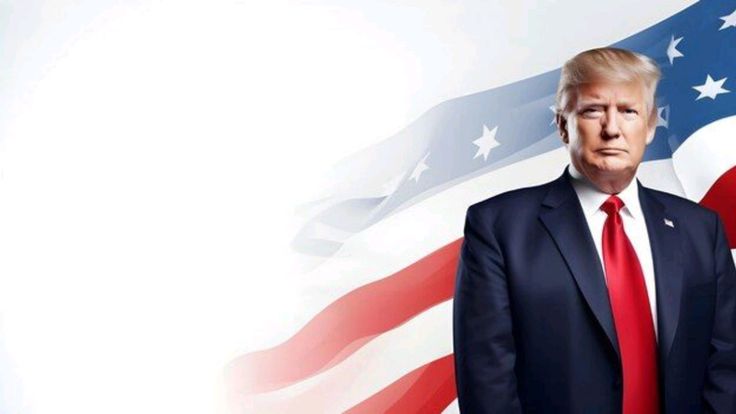
President Donald Trump is scheduled to address the nation from the White House tonight outlining his policy priorities for 2026 — a speech set against a backdrop of declining public support. Recent polling shows unprecedented levels of dissatisfaction with Trump’s economic stewardship, with over half of Americans disapproving of his handling of core economic conditions.
The planned address serves both as a policy forecast and a political calibration. With inflation having risen and hiring momentum slowing following new tariffs, Trump faces the challenge of restoring confidence in an economy that remains the central issue for most voters. Analysts expect the speech to emphasize “growth, security, and national strength,” while critics argue it must address tangible concerns: consumer prices, trade disruptions from tariffs, and perceptions of leadership instability. If the address fails to deliver credibility or clear solutions, Trump’s political capital — already strained — could further erode, complicating GOP efforts in the 2026 midterms. Broadly, the speech highlights how political rhetoric and real economic pressures are colliding as the administration seeks to reframe its narrative.
2. Trump Orders Naval Blockade on Venezuelan Oil Tankers — A Strategic Escalation
In one of the most dramatic foreign policy moves of the year, President Trump announced a “total and complete blockade” of all U.S.-sanctioned oil tankers entering or leaving Venezuelan ports. The administration justified this as part of its campaign to weaken the Maduro regime, which Washington has described as supporting drug trafficking, terrorism, and human trafficking.
Thank you for reading this post, don't forget to subscribe!This decision marks a significant escalation beyond traditional sanctions — the use of a maritime blockade raises both legal and geopolitical questions. Blockade enforcement mechanisms remain unclear, and critics argue such a move could violate international law, potentially antagonize U.S. allies, and destabilize global oil markets. For Venezuela, which depends heavily on oil exports, the impact could be severe, potentially crippling national revenue streams. The blockade triggered a rise in global oil prices and prompted sharp condemnations from Caracas, which frames the action as imperialistic theft of sovereign resources.
Domestically, the move risks entangling the U.S. in a highly volatile region with limited exit options. Strategists warn that what might have begun as an anti-narcotics posture could spiral toward broader confrontation — a scenario opponents liken to an undeclared conflict. These developments will be watched closely by markets, diplomats, and defense planners alike as Washington balances pressure on authoritarianism with regional stability.
3. Trump Administration Targets Major Climate Research Hub
The White House announced plans to dismantle the National Center for Atmospheric Research (NCAR), a cornerstone of American climate and atmospheric science for over six decades. This decision stems from administration critiques of what it calls “climate alarmism” within federal research institutions.
NCAR’s dissolution — while preserving select “vital” weather functions elsewhere — alarms scientists, policymakers, and disaster preparedness officials. NCAR’s research has long enabled advanced forecasting of extreme weather, nuanced understanding of climate change, and critical modeling used by federal, state, and international partners. Prominent scientists warn that breaking up this institutional knowledge base may weaken the nation’s ability to anticipate and mitigate natural disasters, undermining both public safety and economic resilience.
Colorado’s Democratic governor criticized the proposal, noting that NCAR’s data helps safeguard families and infrastructure from severe weather events. The debate around NCAR reflects a broader tension in U.S. policy: how to balance economic priorities, scientific integrity, public safety, and political ideology in the face of escalating climate threats.
4. Corporate Finance Leaders Brace for Continued Inflation
A survey of U.S. chief financial officers by Federal Reserve regional banks and Duke University reveals that business leaders expect prices to continue rising at around 4.2% in 2026 — double the Federal Reserve’s target inflation rate.
CFO sentiment shows declining confidence in broader economic conditions. Although modest jobs and GDP growth are projected, persistent price pressures could force firms and consumers to absorb higher costs. The survey paints a picture of cautious optimism — companies expect revenue increases and some hiring but remain wary of tariffs and trade uncertainties. About 40% of firms plan to expand payrolls, yet nearly 9% anticipate layoffs, indicating uneven sectoral stress.
This outlook complicates the Federal Reserve’s dual mandate of price stability and full employment. Persistent inflation could prompt interest rate adjustments or continued monetary tightening — a difficult balance when economic growth is already sluggish. For everyday Americans, these expectations suggest that living costs may remain elevated through next year, shaping household budgets, consumer confidence, and political sentiment ahead of key elections.
5. Congressional Hearing Set with Jack Smith on Trump Investigations
Former Justice Department special counsel Jack Smith has agreed to a private, closed-door interview with House Republicans regarding their investigations into his work on probes related to former President Trump.
Smith had previously offered to testify publicly, but Republican leaders opted for a closed session, intensifying partisan debate over congressional oversight and executive branch accountability. Smith is expected to clarify misconceptions circulated by GOP critics, although legal constraints prevent him from discussing grand jury material.
This development unfolds amid wider political tensions, including disputes over immigration policy, national security funding, and federal law enforcement. The hearing underscores how legal battles from Trump’s presidency continue to shape legislative agendas and public narratives — with implications for judicial norms and institutional trust.
6. Brown University Shooting Investigation Intensifies
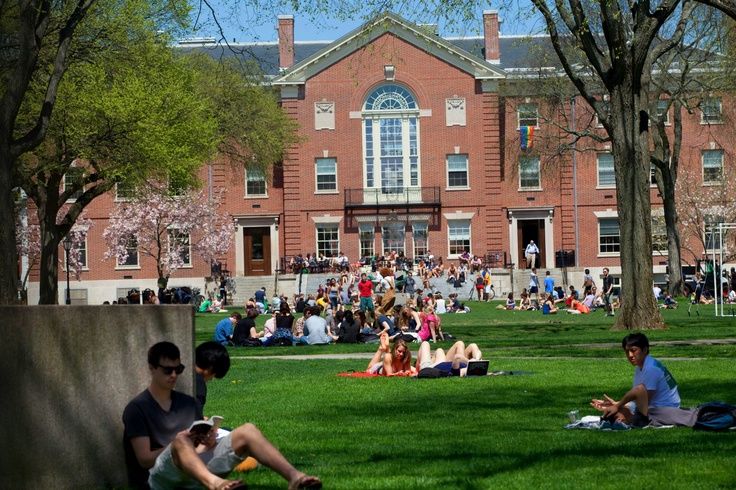
Law enforcement continues an expansive search for the suspect responsible for a December 13 mass shooting at Brown University in Providence, Rhode Island, which killed two students and injured nine others. Authorities have released new video and still images of a person of interest but have not yet identified or captured the suspect.
The shooting occurred inside a classroom during finals week, sparking widespread concern about campus safety. Initial detention of a man later released underscores the challenges police face due to limited surveillance and unclear evidence trails. Providence police and the FBI are canvassing neighborhoods, reviewing residential security footage, and urging public assistance.
The ongoing manhunt highlights broader debates on gun violence, school security, and emergency preparedness in American institutions. Brown University has canceled the rest of its exams and mobilized crisis response teams to assist students and families affected by the tragedy. This remains one of the most high-profile campus shootings of 2025, with communities nationwide watching for breakthroughs in the investigation.
7. U.S. Labor Market Shows Mixed Signals as Hiring Slows but Wages Stay Firm
The latest U.S. labor data presents a mixed but revealing picture of the American workforce heading into the new year. While unemployment remains historically low, hiring momentum has clearly slowed across several sectors, especially technology, logistics, and retail. Employers are becoming more selective, signaling caution rather than contraction. At the same time, wage growth remains relatively firm, reflecting ongoing competition for skilled workers in healthcare, manufacturing, and energy.
Economists note that this dual trend suggests the labor market is transitioning from post-pandemic expansion into a normalization phase. Companies are holding onto experienced employees but are hesitant to expand payrolls aggressively due to economic uncertainty, higher borrowing costs, and geopolitical risks. For workers, this means job security remains stable, but opportunities for rapid career jumps may diminish.
From a policy perspective, the labor market’s resilience complicates Federal Reserve decisions. Strong wages support consumer spending but risk fueling inflation if productivity does not keep pace. Politically, employment data remains a critical metric, influencing voter confidence and shaping economic narratives ahead of the 2026 midterm cycle. Overall, the labor market is not collapsing — but it is clearly cooling, signaling a more cautious economic environment.
8. U.S. Housing Market Remains Under Pressure Despite Stabilizing Mortgage Rates
The American housing market continues to face structural challenges, even as mortgage rates show signs of stabilizing. While rates have stopped rising sharply, affordability remains a major barrier for first-time buyers due to elevated home prices and limited inventory. Builders are hesitant to launch large new projects, citing high material costs and uncertain demand.
In many metro areas, housing demand remains strong, but transactions are slow, creating a “frozen” market where buyers wait for better deals and sellers resist price cuts. Rent prices, meanwhile, remain high, placing additional pressure on households already strained by food, healthcare, and transportation costs.
Federal and state policymakers face mounting pressure to address housing supply through zoning reform, tax incentives, and infrastructure investment. Without intervention, analysts warn that housing affordability could become a long-term drag on economic mobility and social stability. The housing issue increasingly intersects with politics, workforce mobility, and generational wealth inequality — making it one of the most persistent economic challenges facing the U.S.
9. Supreme Court Weighs Key Cases with Long-Term Impact on Federal Authority
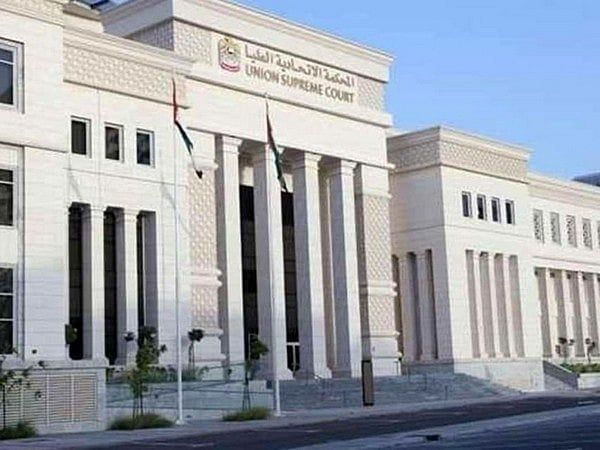
The U.S. Supreme Court is currently considering several cases that could significantly reshape the balance of power between federal agencies, states, and private industry. At the heart of these cases are questions about regulatory authority, administrative discretion, and the limits of executive power.
Legal analysts believe upcoming rulings could narrow the scope of federal agencies’ ability to enforce environmental rules, labor protections, and consumer regulations without explicit congressional approval. Supporters argue this restores constitutional balance, while critics warn it could weaken enforcement and create regulatory uncertainty.
The outcomes will likely influence how future administrations govern, especially during national emergencies. Businesses are watching closely, as changes in regulatory authority could impact compliance costs and long-term planning. These cases underscore how the judiciary increasingly plays a central role in shaping national policy beyond legislation.
10. Public Confidence in Federal Economic Leadership Continues to Erode
Recent surveys indicate declining public confidence in federal economic leadership, driven by persistent inflation, rising living costs, and political polarization. While macroeconomic indicators suggest stability, everyday Americans often experience a different reality at grocery stores, gas stations, and rental markets.
This disconnects between data and lived experience has political consequences. Voters increasingly judge leadership based on personal financial pressure rather than abstract economic growth metrics. Trust erosion poses challenges for policymakers attempting to implement long-term reforms, as public skepticism limits political capital.
Restoring confidence may require clearer communication, targeted relief measures, and tangible cost-of-living improvements. Without that, economic dissatisfaction is likely to remain a dominant theme in upcoming election cycles.
11. U.S. Gun Policy Debate Intensifies After Series of High-Profile Incidents
Gun policy has once again moved to the center of national debate following several high-profile shootings across different states. Lawmakers remain deeply divided, with some advocating stronger background checks and others pushing to expand gun rights protections.
Public opinion continues to reflect frustration over legislative gridlock. While states pursue their own policies, the lack of federal consensus creates uneven enforcement and legal challenges. Law enforcement agencies emphasize the importance of prevention, mental health resources, and community intervention programs.
The ongoing debate reflects broader tensions between constitutional interpretation, public safety, and cultural identity — making comprehensive reform difficult despite widespread concern.
12. Immigration System Faces Strain as Border and Legal Pathways Remain Unresolved
The U.S. immigration system continues to operate under significant strain, with border enforcement challenges and long processing backlogs for legal immigration pathways. Communities along the southern border report resource pressure, while cities receiving migrants struggle with housing and employment capacity.
Federal officials emphasize enforcement and humanitarian obligations, but comprehensive reform remains stalled in Congress. Businesses, particularly in agriculture and healthcare, warn that labor shortages tied to immigration uncertainty are affecting productivity.
The issue remains politically sensitive, balancing border security with economic and humanitarian considerations. Without legislative action, temporary measures are likely to continue dominating policy responses.
13. U.S. Transportation Infrastructure Faces Aging Systems and Funding Gaps
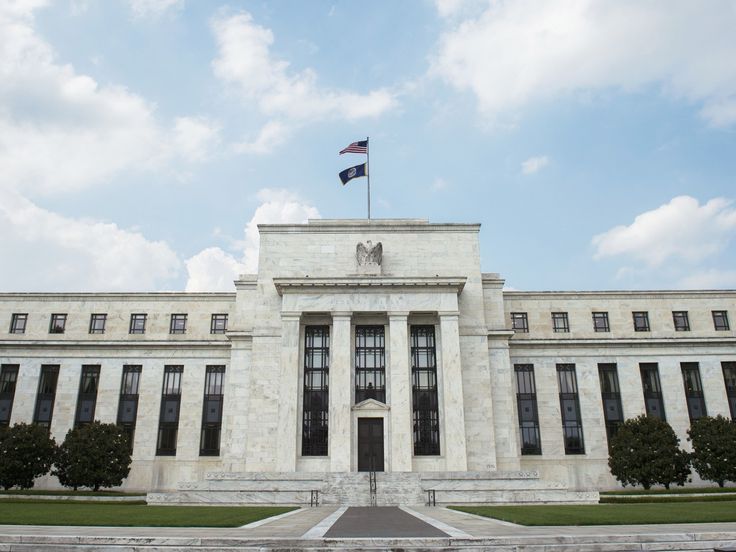
America’s transportation infrastructure remains under pressure as aging bridges, rail systems, and airports struggle to meet modern demands. While federal infrastructure funding has increased, implementation delays and rising costs limit visible progress.
Transportation officials warn that without sustained investment, congestion, safety risks, and economic inefficiencies will grow. The issue directly affects supply chains, commuting times, and regional competitiveness.
Infrastructure investment is increasingly framed not just as a public works issue but as a national security and economic resilience priority.
14. U.S. Media Industry Continues to Restructure Amid Digital Shift
The American media industry is undergoing rapid transformation as traditional outlets downsize and digital platforms dominate news consumption. Newsrooms face financial pressure, leading to layoffs and consolidation.
This shift raises concerns about local journalism, misinformation, and public accountability. While digital innovation expands reach, it also challenges revenue models and editorial independence.
Media restructuring reflects broader changes in how Americans access information — with long-term implications for democracy and civic engagement.
15. Extreme Weather Risks Highlight Climate Preparedness Challenges
Extreme weather events — including storms, floods, and wildfires — continue to test U.S. preparedness systems. Emergency agencies emphasize the need for better forecasting, infrastructure hardening, and public awareness.
While response capabilities have improved, recovery costs continue to rise, straining federal and state budgets. Climate resilience is increasingly viewed as an economic necessity, not just an environmental issue.
About the Author