1. Operation Hawkeye Strike: U.S. Launches Massive Airstrikes in Syria

In a major military escalation, the Trump administration launched Operation Hawkeye Strike late Friday into Saturday. The operation targeted over 70 Islamic State (ISIS) positions across central Syria, including infrastructure in Deir ez-Zor and Raqqa. Defense Secretary Pete Hegseth confirmed the strikes were direct retaliation for a December 13 ambush near Palmyra that killed two Iowa National Guard soldiers and an American civilian interpreter.
Analysis: This marks a significant shift in the administration’s Middle East strategy. While President Trump has signaled a desire to pivot resources to the Western Hemisphere (specifically toward Venezuela and the Caribbean), this “large-scale” retaliation serves as a stern warning that the U.S. will not tolerate attacks on its personnel during the withdrawal or repositioning phases. It also highlights an unusual budding cooperation with Syrian security forces to “eliminate” regrouping ISIS cells.
2. The Epstein Files: DOJ Releases First Batch of Redacted Documents
Following the Epstein Files Transparency Act, the Department of Justice released the first “several hundred thousand” pages of investigative files related to Jeffrey Epstein on Friday night. Deputy Attorney General Todd Blanche noted that while the law mandated a December 19 deadline, the release would be staggered over several weeks to redact victim identities. Initial findings include internal law enforcement communications and flight logs, though many pages are heavily blacked out.
Thank you for reading this post, don't forget to subscribe!Analysis: The “Friday night news dump” tactic has not gone unnoticed by critics, who argue the administration is attempting to bury potential links between political figures and the late financier. However, the MAGA base has largely championed the release as a win for transparency. The political fallout will likely depend on what remains in the unredacted portions scheduled for release in early 2026, as House Democrats already claim “the most important documents” are still missing.
3. Trump Refuses to Rule Out War with Venezuela
In a phone interview with NBC News released today, President Trump stated he does not rule out military action against the Maduro regime in Venezuela. This follows a month of escalating tensions, including a U.S. naval blockade targeting sanctioned oil tankers. The administration’s rhetoric has shifted from “maximum pressure” to “active removal,” with Trump declining to state whether ousting Nicolás Maduro is the singular goal.
Analysis: This is a high-stakes gamble in the Western Hemisphere. By maintaining “all options on the table,” Trump is leveraging the threat of force to destabilize Maduro’s internal support. The domestic popularity of this move is high, with recent polling showing over 60% of voters support Maduro’s removal, but the international community remains wary of a potential migrant surge or a hot war in South America.
4. New York Shield Law: A New Front in the Abortion Rights Battle

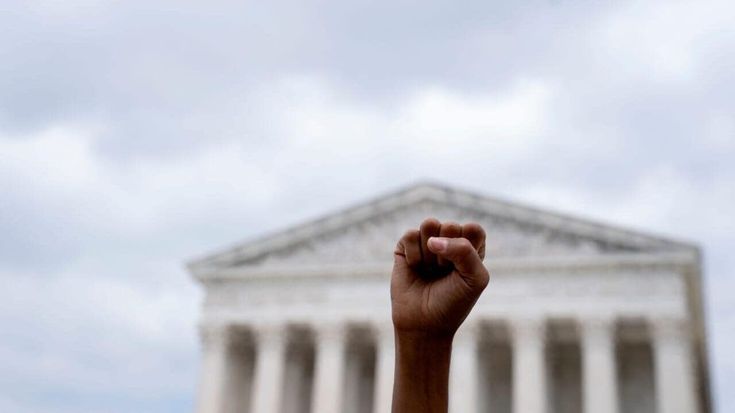
New York Attorney General Letitia James today celebrated the signing of landmark legislation that expands the state’s Shield Law. The new provisions are designed to protect New York-based healthcare providers from out-of-state investigations or prosecutions related to abortion and gender-affirming care. This comes as several conservative states have begun attempting to extradite or sue doctors who provide telehealth services across state lines.
Analysis: We are witnessing the “Balkanization” of American law. As the federal government leans into restrictive executive orders, “sanctuary” states like New York are building legal fortresses. This sets the stage for a constitutional crisis regarding the Full Faith and Credit Clause, as state-level protections now directly collide with the aggressive “long-arm” statutes of other jurisdictions.
5. Federal Employment Plummets Amid Government Restructuring
The Bureau of Labor Statistics (BLS) released a report showing that federal government employment has dropped by over 271,000 jobs since January 2025. This follows a massive wave of “deferred resignations” and the expiration of funding for various agencies. While health care and construction saw modest gains in November, the overall job market remains flat, with the unemployment rate ticking up to 4.6%.
Analysis: This is the “Efficiency” mandate in action. The administration is successfully shrinking the federal footprint, but the economic ripple effects are becoming visible. The loss of nearly 300,000 stable, high-benefit jobs is putting downward pressure on the D.C. regional economy and raising questions about the capacity of remaining staff to execute basic government functions, especially in regulatory oversight.
6. Dismantling of National Climate Research Lab in Colorado
The administration has officially begun the process of “breaking up” the National Center for Atmospheric Research (NCAR) in Boulder, Colorado. OMB Director Russell Vought characterized the institution as a source of “climate alarmism.” While weather-tracking duties are slated to move to other agencies, scientists warn that the loss of centralized climate modeling will severely hinder wildfire and hurricane prediction capabilities.
Analysis: This move is more than just budget-cutting; it’s an ideological pivot. By dismantling NCAR, the administration is effectively decentralizing climate science, which critics say will make it harder for states like California to prepare for seasonal disasters. For the administration, however, this represents a fulfillment of a campaign promise to “de-politicize” federal science and prioritize immediate economic growth over long-term environmental forecasting.
7. Pope Appoints Migrant Advocate as Bishop for Mar-a-Lago Diocese
In a move seen as a direct message to the White House, Pope Leo XIV has appointed Reverend Manuel de Jesús Rodríguez as the new Bishop of Palm Beach, Florida—the diocese that includes Trump’s Mar-a-Lago estate. Rodríguez, a Dominican-born priest from Queens, is a well-known advocate for undocumented immigrants and has previously criticized the administration’s deportation tactics.
Analysis: The Vatican is choosing to lead from the front. By placing a staunch migrant defender in the President’s “home” diocese, the Church is signaling that it will be a vocal opponent of the administration’s immigration policies. This creates a fascinating social dynamic in South Florida, where a large, conservative Catholic population must now reconcile their political support for Trump with the moral directives of their new local leader.
8. “One Big Beautiful Bill”: Billions Awarded for Border Wall
The Department of Homeland Security (DHS) announced today that over $42 billion in contracts have been awarded to “seal” the U.S.-Mexico border. Funded through the “One Big Beautiful Bill” Act, the projects include physical wall construction and high-tech surveillance. Secretary Kristi Noem declared the border the “most secure in history,” citing a 93% year-over-year drop in illegal crossings.
Analysis: The sheer speed of these contract awards suggests a “build first, ask questions later” approach. While the administration is touting the drop in crossings as a victory, critics point out that much of the decrease is due to aggressive “self-deportation” trends and the threat of military-led mass deportations. The long-term challenge will be maintaining this infrastructure and the legal challenges regarding land seizures in border states.
9. Agricultural Price-Fixing Task Force Established
Agriculture Secretary Brooke Rollins and Attorney General Pam Bondi have officially launched a Food Supply Chain Security Task Force. The group is tasked with investigating “anti-competitive behavior” and price-fixing by foreign-controlled corporations in the meat, seed, and fertilizer industries. This follows a period where input costs for farmers have risen as much as 73% for interest and 47% for labor.
Analysis: This is “populist economics” in practice. By targeting “big corporate monopolies” and foreign interests, the administration is aligning itself with the struggling rural base. If successful, this could lower grocery prices and soothe inflation woes. If it fails, or if it’s seen as a protectionist move that triggers trade retaliation, it could further strain an already fragile global food supply chain.
10. Elise Stefanik Abandons Gubernatorial Bid and House Seat
In a political bombshell, Rep. Elise Stefanik announced she is ending her campaign for New York Governor and will not seek re-election to her House seat. Stefanik, a top Trump ally, cited a desire to focus on “national service” and private life. This leaves a massive power vacuum in the House Republican leadership and a wide-open race for her deep-red New York district.
Analysis: Stefanik’s exit from electoral politics is unexpected and suggests she may be eyeing a high-level Cabinet appointment or a role in a potential 2028 presidential ticket. Her departure from the House removes one of the most effective communicators for the GOP, signaling a possible reshuffling of the “Trump guard” as the administration enters its second year.
11. 3.0 Magnitude Earthquake Rattles Southern California
A preliminary 3.0 magnitude earthquake struck near Ojai, California, early Saturday morning. While no major damage or injuries were reported, the tremor follows a string of five quakes in the region over the past week. The USGS has noted an uptick in seismic activity along the coastal fault lines, leading to increased “felt reports” from residents in Ventura and Fillmore.
Analysis: While a 3.0 is minor in the grand scheme of California seismology, the frequency of these quakes is rattling nerves. With federal cuts to climate and environmental agencies (like the NCAR mentioned earlier), there is a growing local anxiety about whether the state is adequately prepared for a “Big One” without the usual level of robust federal scientific support.
12. Pharmaceutical Deal Cuts Medicaid Drug Prices
The White House announced a deal with nine major pharmaceutical companies to voluntarily cut prices on dozens of drugs used frequently by Medicaid recipients. This “Golden Age of Medicine” initiative aims to lower the federal deficit by reducing government healthcare spending while supposedly lowering out-of-pocket costs for the most vulnerable.
Analysis: This is a rare moment of “carrot” over “stick.” Instead of pursuing aggressive price-capping legislation that might be tied up in courts, the administration is using the threat of “public shaming” or patent challenges to bring companies to the table. It’s a win for the President’s “deal-maker” persona, though healthcare advocates are watching closely to see if these “voluntary” cuts are offset by price hikes in the private insurance market.
13. NTSB Investigates Fatal Jet Crash of Former NASCAR Driver

The National Transportation Safety Board (NTSB) is currently on-site in North Carolina investigating the crash of a business jet that killed retired NASCAR driver Greg Biffle and six others. The aircraft reportedly attempted to return to the airport shortly after takeoff before striking trees and power lines.
Analysis: This tragedy has shocked the sporting world and raised questions about aging private aviation fleets. The NTSB’s findings will be scrutinized for potential mechanical failure or air traffic control errors, especially as the administration pushes for deregulation in the aviation sector. It serves as a somber reminder of the critical role federal safety agencies play in high-risk transport.
14. Turning Point USA Conference: The 2028 Shadow Campaign Begins
At the Turning Point USA (TPUSA) conference in Florida, Erika Kirk (widow of Charlie Kirk) officially endorsed JD Vance for a potential 2028 presidential bid. The conference has become a “kingmaker” event, with various high-profile Republicans vying for the favor of the young MAGA base.
Analysis: Even as Trump consolidates power in 2025, the race for his successor is already in full swing. The early endorsement of JD Vance by the TPUSA leadership suggests that the “New Right” is consolidating behind the Vice President, aiming to ensure that the “Trumpism” ideology outlasts the Trump presidency. This creates an interesting internal dynamic between the loyalists and the “next generation” of the GOP.
15. NHL Status Report: Injuries Sideline Key Stars
In sports news, the NHL released a significant status report today. The Vegas Golden Knights will be without stars Shea Theodore and Jack Eichel for their upcoming road trip, while the Ottawa Senators are expecting the return of Thomas Chabot.
Analysis: While it seems secondary to global politics, the health of these stars has massive economic implications for the gambling and broadcasting industries during the lucrative holiday season. For fans, the “Status Report” is the final word on who will be on the ice for the “Saturday Night Hockey” tradition, which remains a major cultural touchstone across the Northern U.S. and Canada.
About the Author