1. U.S. Forces Seize Second Oil Tanker Off Venezuelan Coast
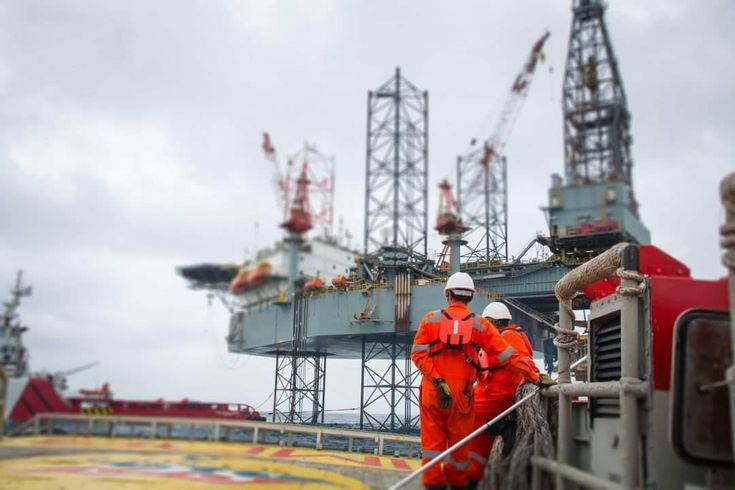
In a significant escalation of the Caribbean blockade, U.S. forces intercepted the Panama-flagged tanker Centuries in international waters east of Barbados. This follows the December 10 seizure of another vessel, signaling a shift from diplomatic sanctions to direct maritime interdiction. Analysis: This “pre-dawn” action by the Coast Guard and Department of War underscores President Trump’s commitment to seizing tankers to cripple the Maduro regime’s revenue. However, critics warn this borderlines on “international piracy,” potentially alienating regional allies like Uruguay and risking a direct naval confrontation in the Caribbean.
2. DOJ Under Fire for Redacted and “Missing” Epstein Files
The Department of Justice is facing a firestorm of criticism after releasing a limited, heavily redacted set of Jeffrey Epstein files. At least 16 files previously hosted on the DOJ website have reportedly disappeared, and the released documents notably include a photo of Trump alongside Epstein and Ghislaine Maxwell. Analysis: Even Republican allies like Rep. Thomas Massie have slammed the release as a failure to comply with the Epstein Files Transparency Act. The “disappearance” of files creates a vacuum for conspiracy and suggests internal friction within the administration regarding what information should remain public, further eroding trust in the DOJ’s independence.
Thank you for reading this post, don't forget to subscribe!3. US Strikes Syrian Targets in Retaliation for Soldier Deaths
The U.S. military launched an expansive aerial bombardment against ISIL-linked “thugs” and Iranian-backed assets in Syria. These strikes were a direct response to the recent killing of two U.S. soldiers and their interpreter at a base in Palmyra. Analysis: This marks a significant kinetic escalation in the Middle East. While the administration frames this as a necessary deterrent, the “28-point peace plan” previously touted by the White House is now under scrutiny. Observers worry these strikes may draw the U.S. deeper into a regional quagmire at a time when the “America First” doctrine supposedly prioritizes withdrawal.
4. Stagnant Job Market Challenges “Golden Age” Narrative
Official data reveals that job growth has stalled significantly in 2025, with an average of only 55,000 jobs added monthly—a 67% drop from 2024. The unemployment rate has climbed to 4.6%, its highest in over four years, contradicting the administration’s promise of a historic economic boom. Analysis: The “A+++++” economy promised during the campaign is colliding with the reality of high interest rates and the cooling effects of aggressive tariffs. For a presidency built on the “Golden Age” brand, these numbers represent a major political liability heading into the midterms, as voters begin to feel the pinch of a cooling labor market.
5. Trump Administration Announces $12 Billion Farmer Bridge Payments
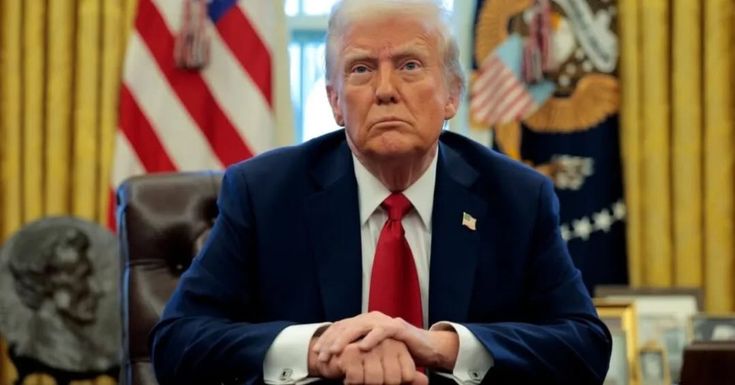
To combat “unfair market disruptions,” the USDA has unveiled an $11 billion Farmer Bridge Assistance (FBA) program. This move is designed to support row crop farmers (corn, soy, wheat) who have been hit hard by retaliatory trade measures and rising input costs. Analysis: These payments are essentially a lifeline for the administration’s rural base, which is bearing the brunt of the “tariff wars.” While framed as a “bridge to fair trade,” the reliance on large-scale ad hoc subsidies suggests that the administration’s trade policies have yet to yield the self-sustaining market stability promised to the agricultural sector.
6. Controversy Over “Trump-Kennedy Center” Renaming
Tensions flared as the Trump name was physically added to the facade of the John F. Kennedy Center for the Performing Arts. This follows a controversial board vote to rename the iconic venue, a move the Kennedy family has slammed as a violation of federal law. Analysis: This is a peak example of the “culture war” being etched into stone. For the administration, it is a symbol of reclaiming institutions; for critics, it is an act of historical revisionism. The legal battle over whether a board can unilaterally change the name of a congressionally designated memorial will likely reach the Supreme Court.
7. Biden-Era Infrastructure Programs Face “Trump Account” Tax Hurdle
Tax experts are warning that new IRS reporting requirements for “Trump Accounts“—the administration’s preferred private-sector savings vehicles—could make them too burdensome for the average parent. Simultaneously, rural schools are struggling with cuts to Biden-era grants. Analysis: We are seeing a systematic dismantling of previous fiscal structures in favor of “Trump-branded” financial products. The friction lies in the transition: as the administration shifts from federal grants to private-incentive models, a “gap” is forming that leaves local governments and middle-class families in a state of financial limbo.
8. High-Level US-Russia Talks Convene in Miami Over Ukraine
In a surprise diplomatic move, senior U.S. and Russian officials met in Miami to discuss potential “off-ramps” for the war in Ukraine. Secretary of State Marco Rubio has recently reiterated that the conflict is “not our war,” signaling a push for a negotiated settlement. Analysis: The Miami summit suggests a pivot toward a “realist” foreign policy where the U.S. prioritizes its own economic interests over Ukrainian territorial integrity. However, the optics of meeting on U.S. soil while Russia continues its offensive in Ukraine remain highly contentious among European allies who fear a “New Yalta” agreement.
9. CISA Warns of Advanced “BRICKSTORM” Malware Threats
The Cybersecurity and Infrastructure Security Agency (CISA) released a major update on the BRICKSTORM backdoor malware, linked to PRC state-sponsored actors. The malware has evolved to use Rust-based samples for advanced persistence in U.S. critical infrastructure. Analysis: This highlights the “invisible war” occurring alongside the trade war. As physical trade slows, cyber espionage is accelerating. The sophistication of BRICKSTORM suggests that foreign adversaries are digging deeper into the American power grid and IT systems, posing a long-term national security threat that transcends political cycles.
10. Brown University Shooting Suspect Death and Visa Lottery Suspension
Following an attack at Brown University, the suspect was found dead two days before his body was officially discovered. In response, the President has suspended the visa lottery program associated with the suspect’s origin, citing national security concerns. Analysis: The administration is using this tragedy to justify a broader crackdown on immigration. By linking specific violent acts to systemic immigration programs, the White House is successfully bypassing traditional legislative hurdles to implement its “closed-border” agenda, even as university communities call for more focus on mental health and campus security.
11. Tariff Impact: Prediction of 450,000 Fewer New Homes by 2030
A new report from economic think tanks suggests that the administration’s tariffs on lumber and steel could lead to a massive shortfall in housing construction. The projected loss of 450,000 new homes by 2030 threatens to exacerbate an already dire housing affordability crisis. Analysis: This is the “hidden cost” of the trade war. While tariffs protect domestic industry, they drive up the cost of “Main Street” essentials like housing. The administration faces a difficult balancing act: protecting industrial jobs while preventing a “housing recession” that could alienate younger voters and urban residents.
12. “Most Favored Nation” Drug Pricing Deals Signed
Nine major pharmaceutical companies have finally relented, signing “Most Favored Nation” deals with the White House. This agreement mandates that drug prices sold via the new “TrumpRx.gov” portal must match the lowest prices offered to other developed nations. Analysis: This is a rare area of populist victory for the President. By using the “bully pulpit” and threats of patent revocation, the administration has forced Big Pharma to the table. However, the long-term impact on R&D and the actual accessibility of these drugs for those not using the government portal remains to be seen.
13. SpaceX and the “Sixth Birthday” of the Space Force
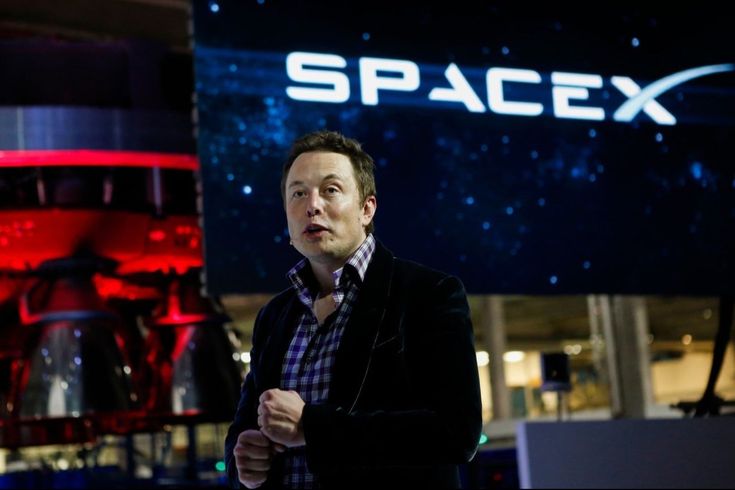
President Trump issued a formal message celebrating the sixth anniversary of the U.S. Space Force, coinciding with several new commercial launches. The administration is pushing for a “New Age of American Space Achievement,” heavily reliant on Musk’s SpaceX. Analysis: The blurring lines between the U.S. military and private space corporations (SpaceX) are becoming more pronounced. This partnership is the cornerstone of the “6G Race” and orbital dominance, but it also raises questions about the “American Oligarchy” as a few private individuals gain unprecedented control over national defense infrastructure.
14. Musk Wins Appeal to Restore $56 Billion Tesla Pay Package
The Delaware Supreme Court ruled in favor of Elon Musk, restoring his controversial $56 billion compensation package. This victory comes as Musk continues to serve as a pivotal advisor to the Trump administration on government efficiency and deregulation. Analysis: This ruling solidifies Musk’s position as the most powerful private citizen in America. His legal win, coupled with his political influence, creates a unique “Power Axis” between Silicon Valley and the White House, likely accelerating the deregulation of the tech and automotive sectors in 2026.
15. Anthony Joshua Knocks Out Jake Paul in Miami
In a major cultural event that captivated the nation, Anthony Joshua defeated Jake Paul with a sixth-round knockout. Despite the loss, the event drew massive viewership and highlighted the growing trend of “entertainment sports” dominating the American media landscape. Analysis: While “just a fight,” the event represents the intersection of social media, gambling, and traditional sports that defines modern American leisure. The spectacle served as a distraction from a heavy news week, but the underlying narrative—Paul reporting a broken jaw—highlights the physical risks of the “influencer-to-athlete” pipeline.
About the Author