1. Immigrant Visa Program Suspended After Brown University Shooting
Following a tragic shooting involving a former diversity visa recipient, Homeland Security Secretary Kristi Noem announced a suspension of the immigrant visa program under which the suspect entered the country. Analysis: This move signals a significant hardening of the administration’s “Extreme Vetting” protocols. By linking a specific criminal act to a broad visa category, the administration is effectively pausing the Diversity Immigrant Visa Program, a long-standing target of GOP reformers. We expect immediate legal challenges from civil rights groups arguing that collective punishment of visa seekers is unconstitutional, but for now, thousands of pending applications are in limbo.
2. “Biggest Refund Cycle Ever”: White House Predicts Massive 2026 Checks
National Economic Council Director Kevin Hassett stated today that Americans should prepare for the “largest tax refund season in history” this coming spring. The administration estimates that typical families could see savings or refunds between $11,000 and $20,000. Analysis: This is a strategic messaging push aimed at countering public dissatisfaction with the economy. By framing upcoming tax filings as a “massive refund cycle,” the administration is attempting to inject consumer confidence into a market still wary of inflation. If these numbers hold true, the influx of liquidity in Q1 2026 could provide a significant boost to retail and housing, though it may also complicate the Federal Reserve’s efforts to keep inflation at its target.
Thank you for reading this post, don't forget to subscribe!3. Fentanyl Officially Designated as a “Weapon of Mass Destruction”
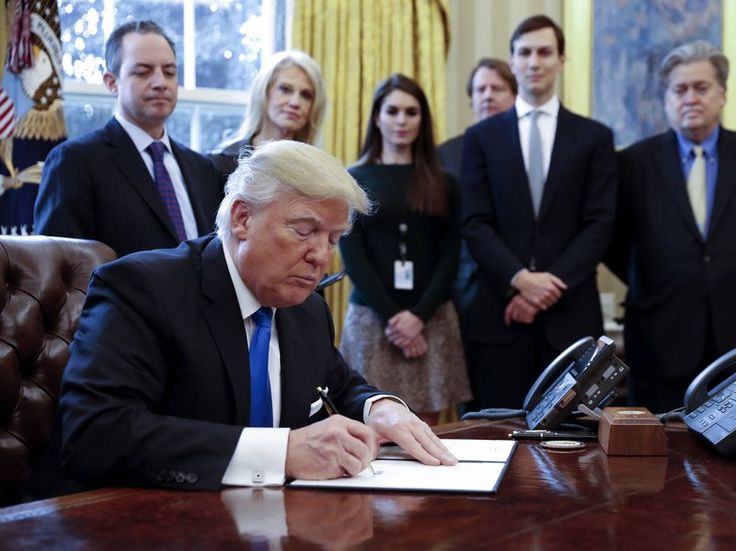
President Trump signed an executive order today classifying fentanyl and its analogues as Weapons of Mass Destruction (WMD). Analysis: This is not merely symbolic; it changes the legal and tactical landscape of the War on Drugs. This designation allows for the deployment of specialized Department of Defense assets and intelligence capabilities that were previously reserved for counter-terrorism. It also puts immense pressure on Mexico and China to crack down on precursor chemicals, as the U.S. can now treat the trafficking of these substances as a national security threat rather than a standard criminal enterprise.
4. US-Taiwan Arms Deal Reaches $11.15 Billion
The State Department has notified Congress of a massive new arms package for Taiwan, including M109A7 Self-Propelled Howitzers and anti-armor UAV missile systems. Analysis: This is the second major sale under the current administration and a clear signal of “Peace Through Strength” in the Indo-Pacific. By normalizing these high-value sales, the U.S. is testing China’s “red lines.” The inclusion of UAV (drone) systems suggests a shift toward asymmetric warfare capabilities for Taiwan, acknowledging that a traditional “ship-to-ship” defense may no longer be viable against the PLA.
5. Federal Reserve Proposes New “Payment Accounts” for Innovation
The Federal Reserve Board requested public input today on a new type of “payment account” designed for financial institutions to clear and settle payments without the full range of services (and risks) of a master account. Analysis: This is the Fed’s response to the rise of Fintech and stablecoin-adjacent firms. By creating a “lite” version of a Fed account, the central bank aims to bring “shadow banking” innovators under its regulatory umbrella. This could significantly speed up U.S. payment infrastructure, making it more competitive with international systems like Brazil’s Pix or India’s UPI, while maintaining strict “balance caps” to prevent systemic bank runs.
6. Mass Deportation Efforts Intensify in “Sanctuary” Hubs

Reports and videos from Minneapolis and St. Paul today show a significant uptick in ICE enforcement actions. Labor advocates are raising alarms about the impact on local workforces. Analysis: The administration is moving from rhetoric to high-visibility enforcement in Northern states, not just the Southern border. This “inward-out” strategy aims to pressure sanctuary cities by making the cost of non-cooperation visible. We are seeing an emerging trend of “labor solidarity,” where unions are beginning to clash with federal agents, potentially leading to a constitutional showdown over state versus federal jurisdiction in employment law.
7. SNAP Work Requirements Tightened via New MOU
The Departments of Labor and Agriculture signed a Memorandum of Understanding (MOU) to enforce stricter work-training requirements for SNAP (food stamp) recipients, aiming for 80 hours of work or volunteering per month. Analysis: This “One Big Beautiful Bill” implementation focuses on “self-sufficiency.” While the administration calls it a “hand-up,” critics argue it creates a bureaucratic nightmare for the most vulnerable. Economically, this is an attempt to force “work-capable” individuals back into a labor market that is currently seeing rising unemployment, despite the administration’s claims of a “strengthening” job market.
8. Trump Surpasses First-Term Executive Order Count in Year One
Data released today shows that President Trump has signed more executive orders in 2025 than in his entire first four-year term. Analysis: We are witnessing an unprecedented consolidation of executive power. By bypassing a divided or slow-moving Congress, the White House is governing primarily through decree. This “administrative presidency” model allows for rapid policy shifts but creates significant “regulatory whiplash,” making it difficult for businesses to plan long-term as policies can be reversed with a single signature.
9. Nvidia AI Chip Sales to China Face “Sharp Policy Shift” Review
The administration has initiated a formal review of Nvidia’s AI chip exports to China, signaling a potential total ban on even “throttled” chips previously allowed under 2024 rules. Analysis: The “Tech Cold War” is entering a terminal phase. The U.S. goal is no longer just “staying ahead” but actively “degrading” China’s AI capabilities. This will have a massive impact on Nvidia’s stock and the broader semiconductor sector, as China remains a primary revenue driver. Expect the “Empire AI” initiative in New York to be framed as the domestic replacement for this lost international revenue.
10. The “Epstein Files” Expected Release Today
Legal analysts and the public are awaiting the potential unsealing of a new batch of documents related to the Jeffrey Epstein investigation, following a court order. Analysis: This remains a cultural and political powderkeg. Depending on the names included, the release could disrupt both political parties and the private sector. The administration has hinted at using these releases to “drain the swamp,” suggesting that the timing may be politically motivated to distract from more controversial immigration or trade policies.
11. Data Centers Become a “Toxic” Issue for Voters

New polling suggests that large-scale data centers—the backbone of the AI economy—are facing intense local opposition due to their massive water and electricity consumption. Analysis: This is a “NIMBY” (Not In My Backyard) crisis for Big Tech. Tech lobbyists are spending millions to rebrand data centers as “economic engines” rather than “resource hogs.” This tension could slow down the AI rollout in the U.S. if local governments begin denying permits, potentially forcing these facilities into more remote, less efficient regions.
12. Venezuela Oil Blockade Escalates
The U.S. has ordered a full blockade of sanctioned tankers entering or leaving Venezuela, following the seizure of an oil tanker earlier this week. Analysis: The Trump administration is doubling down on “maximum pressure” against the Maduro regime. By physically intercepting ships, the U.S. is moving past financial sanctions into a “gray zone” of maritime conflict. This has already caused Venezuelan oil exports to plummet, which may temporarily spike global oil prices but is intended to force a regime change by cutting off Maduro’s primary cash flow.
13. Marijuana Reclassification Completed
In a major domestic policy shift, President Trump officially reclassified marijuana today, moving it to a lower-risk category under the Controlled Substances Act. Analysis: This is a rare bipartisan “win.” By moving marijuana to Schedule III, the administration is allowing the multi-billion dollar cannabis industry to finally access traditional banking and deduct business expenses. It’s a pragmatic move that balances “Law and Order” with a massive new tax revenue stream, though it stops short of full federal legalization.
14. Presidential “Walk of Fame” Draws Criticism

The White House has added partisan plaques to the portraits of past presidents, including labels like “sleepy” for Joe Biden and “divisive” for Barack Obama. Analysis: This move is intended to “reshape how U.S. history is told” within the halls of government. While seemingly petty, it reflects a broader strategy of “institutional capture,” where the symbols and protocols of the presidency are being aligned with a specific partisan narrative. It further deepens the cultural divide, making the White House a focal point of partisan friction rather than a symbol of national unity.
15. SEC Proposes Ban on Lawmaker Stock Trading—With a Twist
House Democrats introduced a bill to ban stock trading for lawmakers, but the White House is pushing to ensure any such ban only applies to executive officials after their term ends. Analysis: This is a classic battle over “Ethics vs. Executive Privilege.” The White House’s insistence on an exemption for the sitting President highlights the ongoing conflict regarding Trump’s family businesses. If a ban passes that excludes the President, it will likely be viewed as a hollow reform, but it demonstrates the administration’s firm stance on maintaining its private business interests while in office.
About the Author