1) House passage of the 2026 NDAA — strategic priorities, limits, and next steps

The House’s approval of the 2026 National Defense Authorization Act is a defining congressional action that sets the Defense Department’s policy agenda for the coming fiscal year. Although the NDAA is an authorization and does not itself transfer money, its text shapes procurement priorities, force posture, personnel policy, and long-term modernization programs — effectively signaling what the Pentagon should buy and how it should organize. This year’s House package authorizes roughly $900–$901 billion and emphasizes several pillars: sustaining high readiness levels, accelerating modernization in cyber and hypersonics, shoring up shipbuilding and munitions stockpiles, and codifying continued support for allies, including Ukraine. The NDAA also includes personnel measures such as pay raises and benefits protections that directly affect force morale and retention. Politically, passage in the House reflects bipartisan concern about strategic competitors (chiefly China and Russia) but also surfaces inter-chamber differences; the Senate has its own text and both chambers will need to reconcile specifics in conference. Practically, the NDAA’s policy provisions will shape Pentagon contracting, research-and-development priorities, and service force-structure debates next year. Important caveats: authorization numbers are guidance — actual spending requires appropriations bills — and contentious riders or policy inserts can produce last-minute bargaining. The likely near-term arc is Senate consideration, a House–Senate conference to resolve discrepancies, and then placement in appropriations negotiations; disputes over policy riders (e.g., on AI oversight, force transfers, or foreign aid conditions) may drive high-stakes tradeoffs.
2) White House executive order to pre-empt state AI rules — federal uniformity vs. state authority
The recently signed executive order aiming to create a federal AI framework — including steps to pre-empt conflicting state-level rules — marks a deliberate push toward national regulatory uniformity. The administration frames the step as a strategic necessity: AI is now core infrastructure for economic competitiveness and national security, and divergent state rules could fragment markets, increase compliance costs, and erode U.S. scale in a global competition where coherent national posture matters. Operationally, the order directs agencies to identify state laws that would “obstruct” federal AI aims, to develop federal reporting and disclosure standards, and to create pathways for federal pre-emption where deemed necessary.
The policy calculus is straightforward: firms and defense contractors favor predictability and a single federal standard
states, consumer advocates, and privacy groups worry federal pre-emption could undercut local protections and democratic accountability, especially where state laws are more protective of residents’ privacy and civil rights. Legally, pre-emption raises questions about the scope of agency authority and constitutional federalism — some state attorneys general have already signaled opposition and litigation is probable. Practically, the next 90–180 days are crucial: agencies must issue implementing guidance, and stakeholders will mobilize input during rulemaking. Congress could attempt to translate executive priorities into statute — but the EO’s immediate effect will be to concentrate regulatory horsepower centrally, forcing states and private actors to adapt quickly to a changing compliance landscape while litigation and political pushback simmer.
3) Senate failure to advance enhanced ACA subsidies — what it means for markets and millions
The Senate’s inability to advance competing bills to extend enhanced Affordable Care Act premium subsidies places millions of enrollees at immediate financial risk as calendar deadlines approach. Enhanced premium tax credits — temporarily expanded in prior years — sharply reduce monthly premiums for low- and middle-income Americans; without legislative extension they are set to expire, raising 2026 premiums for many and threatening enrollment stability. The political arithmetic explains the impasse: extensions require a supermajority or a reconciliation vehicle that passes the complicated Senate rules; partisan differences persist over cost, scope, and design, and alternative GOP proposals emphasizing Health Savings Accounts failed to win enough votes.
Practically, insurers set 2026 rate filings assuming federal policy continuity; uncertainty can prompt insurers to raise rates or exit markets to hedge risk, which would further shrink choices and drive up costs. Hospitals and safety-net providers could see more uncompensated care if affordability falls. Possible congressional fixes include a short-term extension tethered to must-pass spending bills, a reconciliation carve-out, or targeted state-level assistance — each politically and procedurally fraught. Regulators may use administrative levers (e.g., reinsurance or payment tweaks) to blunt immediate harm, but legislative clarity remains the only durable fix.
The timing is critical: open enrollment is underway, and households deciding insurance purchases need certainty now. Absent decisive action, the expiration will likely test political narratives in the next campaign cycle as both parties trade blame for coverage losses and cost increases.
4) Redistricting and the Supreme Court — Texas map implications for 2026
Recent judicial activity around redistricting — including major rulings affecting maps in states such as Texas — carries real electoral consequences. When courts allow or reinstate new congressional maps close to election cycles, state election administrators can proceed under contested plans while appeals continue, which reshapes candidate filing, campaign strategy, and resource allocation. Politically, mid-decade map changes engineered by state legislatures can materially alter the partisan tilt of competitive districts, magnifying the House battlegrounds heading into 2026. From a legal perspective, the Supreme Court’s current approach — often cautious about disruptive changes right before primaries — signals a higher threshold to unwind state election processes absent clear legal error, which may embolden states to enact aggressive map changes.
The downstream effect is a surge in litigation as civil-rights advocates challenge partisan gerrymanders and as political actors rush to capitalize on maps that advantage their party. Administratively, county and state election offices must plan for multiple contingencies (ballot layout, early voting, absentee ballots), and candidates must decide where to focus. For voters, last-minute map changes can be confusing and undermine confidence in the system.
The likely path forward combines simultaneous litigation, fast-paced scheduling by elections officials, and a politically charged run-up to candidate filings; the ultimate legal result may not be resolved until after some primaries or even the general election, raising hard questions about remedying potentially tainted contests. (No single court ruling settled all disputes; expect continued litigation through 2026.)
5) House hearing on immigration enforcement — politics, oversight, and policy risk
High-profile oversight hearings into immigration enforcement highlight both substantive policy questions and intense partisan signaling. Congressional panels pressed department officials on the scope of deportation operations, detention conditions, and procedural safeguards for vulnerable populations such as veterans, asylum-seekers, and families. For oversight committees, the hearings serve dual aims: extracting operational detail (flight manifests, detention timelines, chain-of-command decisions) while shaping public perception. Critics emphasize systemic mistakes — wrongful detentions, inadequate legal notice, or family separations — pointing to human costs and potential constitutional violations; defenders argue vigorous enforcement is necessary to uphold immigration law and preserve order at the border. From an operational standpoint, hearings can reveal friction points
(insufficient case management systems, inadequate translation and counsel access, or rushed removals) that are fixable through administrative reforms or funding adjustments. Politically, aggressive oversight raises stakes: it can lead to subpoenas, requests for inspector-general probes, or legislation tightening procedural safeguards. Practically, administrative fixes (improved record-keeping, clearer deportation orders, enhanced training) are the lowest-friction remedies, while criminal or disciplinary actions against officials are rarer and legally complicated. Media coverage of individual cases tends to shape public sentiment more than statistics do — one high-profile wrongful removal can galvanize opposition and prompt judicial intervention. Expect sustained oversight, more litigation, and incremental administrative changes rather than sweeping legislative consensus in the near term.
6) Kilmar Ábrego García — judicial check on detention and its political resonance

The case of Kilmar Ábrego García — a high-profile immigration detainee whose contested detention and prior wrongful deportation have attracted national attention — crystallizes the tensions between aggressive enforcement policies and due-process safeguards. A federal judge recently ordered his release from ICE custody on the grounds that authorities lacked a lawful basis to detain him following his court-ordered return to the United States. The legal findings underscore an important principle: executive action in immigration is bounded by procedural requirements and judicial oversight. Politically, Ábrego’s case has been invoked by both sides as emblematic of broader narratives — advocates cite it as evidence of systemic overreach and error
while enforcement proponents warn against politicizing operational safety concerns. Practically, the court order halts detention but does not end parallel criminal or immigration proceedings; the government may appeal or pursue alternative legal avenues. The human dimension — a man returned, detained, litigated over, and then released — resonates strongly in public debate and can change the tenor of congressional oversight. For DHS and ICE, the case is a cautionary tale: operational choices that fail to document authority or respect court orders risk immediate judicial reversal and reputational damage. In the coming weeks, expect appellate briefs, continued media attention, and renewed calls for internal procedural reviews and greater transparency in removal operations.
7) Diplomatic friction around repatriation flights — Venezuela–U.S. operational and political consequences
Conflicting public statements about migrant repatriation flights between the U.S. and Venezuela reveal how migration operations are entangled with broader diplomatic strategy. When a receiving state publicly asserts a scheduled flight was suspended while the sending country denies the claim, the mismatch creates operational confusion and undermines bilateral coordination. Repatriations depend on fragile logistics: aircraft availability, diplomatic clearances, verification of identities, and humane procedural protections. Politically, such disputes are leveraged domestically — deportation flights become signals of firmness for some audiences and abuses for others — and internationally, they can provoke tit-for-tat rhetoric that complicates other diplomatic priorities.
The immediate practical fallout includes stranded migrants, contested custody questions, and pressure on airlines and NGOs operating in the region. Longer term, recurring frictions may prompt the U.S. to seek alternative repatriation partners, enhance diplomatic pressure, or temporarily pause flights until clearer agreements are reached. Humanitarian groups warn that opaque operational pauses exacerbate migrants’ vulnerabilities and strain local shelter capacities. The recommended near-term steps for both capitals are simple yet politically sensitive: clarify flight schedules publicly, designate liaison officers to manage logistics, and re-open negotiations on protocols ensuring humane treatment and verification safeguards. Without such steps, the operational continuity of repatriation programs — already fraught with legal and ethical complexities — will remain unstable and politically costly.
8) Prisons and the drone threat — a new asymmetric challenge to corrections security
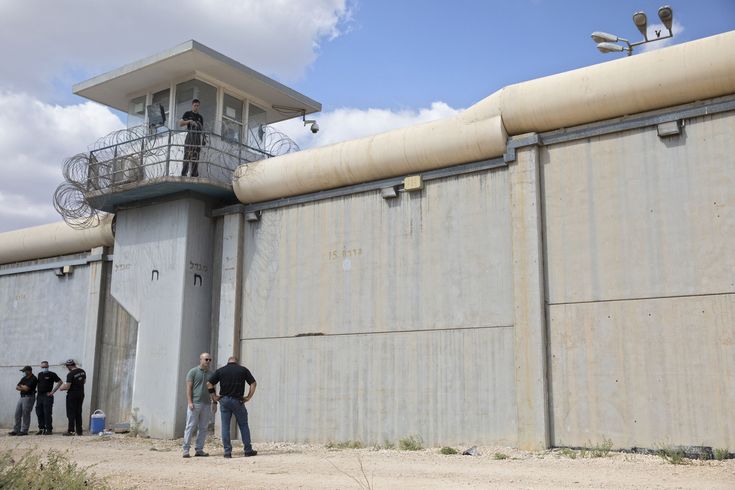
Unmanned aerial systems have transitioned from novelty to persistent security problem for correctional systems: drones enable low-cost, low-risk smuggling of drugs, phones, weapons, and other contraband into facility perimeters. Recent high-profile interdictions — including a contraband drone drop intercepted in South Carolina that contained raw food, tobacco, and illicit substances — underscore both the creativity of smugglers and the operational vulnerability of many facilities. The threat is multi-dimensional: contraband sustains illicit economies inside prisons, phones enable outside coordination of criminal enterprises, and weapons or airdropped tools increase the risk of violence.
Countermeasures range from detection sensors and geofencing laws to active counter-UAS systems that can detect and sometimes disrupt drones; but deployment raises legal and budgetary questions (federal restrictions on radio-frequency interdiction, privacy concerns, and significant procurement costs for cash-strapped corrections departments).
Policy responses should balance deterrence with legal compliance: strengthen criminal penalties for drone-assisted smuggling; invest in detection and hardened perimeters; develop municipal or state-level no-fly corridors around correctional facilities; and coordinate with federal aviation authorities for enforcement and tracking. Training and intelligence-sharing with local law enforcement are also essential. The near-term outlook is clear: without sustained investment and legal clarifications about counter-UAS tools, prisons will continue to face an upward trend in aerial smuggling attempts, and corrections systems must adapt rapidly or risk escalating violence and contraband proliferation.
9) Arctic blast and winter storms — infrastructure stress and human impact
A powerful Arctic air intrusion has driven temperatures well below seasonal norms across large swaths of the central and eastern United States, producing record or near-record lows, heavy snowfall in places, and dangerous wind chills. These events are the product of polar-vortex fluctuations that funnel frigid air southward; forecasters recorded swings of 20–40°F below normal in some regions and warned of subzero wind chills that create frostbite risk in minutes. The human impacts are immediate: travel disruptions and airport delays; school and business closures; surges in heating demand that strain electric and natural-gas systems; and heightened risk to vulnerable populations (particularly the elderly and unsheltered).
Infrastructure consequences can cascade — frozen pipes, localized outages, and mitigation resource bottlenecks for road clearing and emergency medical services.
From a policy perspective, utilities and local governments must rapidly coordinate winterization and emergency response resourcesshelters and public-health outreach are crucial in urban centers. Climate scientists caution that while single events don’t prove long-term climate change, a warmer atmosphere can carry more moisture and, in some configurations, intensify winter storms — so the observed severity is consistent with climate dynamics that can amplify extremes. The near-term response requires multi-agency mobilization: clear communication from National Weather Service offices, targeted resource allocation by state emergency managers, and consumer-level readiness (vehicle kits, backup heating plans, and awareness of hypothermia symptoms).
10) Microrobotics breakthroughs — technical promise and translational hurdles

Recent demonstrations in microrobotics — devices that combine sensing, limited onboard computation, and locomotion at sub-millimeter to millimeter scales — represent a technical inflection point. Researchers have shown prototypes capable of directed motion in fluids, targeted actuation, or environmental sensing, raising the prospect of minimally invasive medical interventions (targeted drug delivery, micro-surgery, or in-body diagnostics) as well as search-and-rescue or inspection uses in inaccessible spaces. The scientific progress rests on advances in materials, fabrication, micro-actuators, energy harvesting, and control algorithms; integrating sensing and closed-loop control at tiny scales is particularly notable. But translation to clinical or field use faces major hurdles:
biocompatibility and long-term fate in the body; manufacturability at scale and acceptable cost; rigorous safety testing and regulatory approval; and ethical questions about consent and surveillance if devices are used for persistent monitoring. Commercialization pathways will require sustained venture and institutional investment, multi-year clinical trials for medical uses, and robust regulatory frameworks for safety and liability. Societal implications — privacy for in-body sensors, equitable access to new therapies, and potential dual-use concerns — demand parallel policy attention. In short, microrobotics signal exciting technical possibility, but realistic timelines for human therapies remain multi-year, and successful translation will require coordinated engineering, clinical science, regulatory design, and ethical governance.
11) U.S. women’s curling team clinches 2026 Olympic berth — sporting angle and broader effects
Securing the final spot for the 2026 Winter Olympics provides the U.S. women’s curling team not just the honor of representation but practical advantages for preparation and program investment. Early qualification frees athletes to concentrate on intensive training cycles, strategy refinement, and international scrimmaging without the distraction of last-minute trials. For national federations and the U.S. Olympic & Paralympic Committee, it enables more strategic resource allocation: focused funding, sponsorship negotiations, and targeted marketing to raise public visibility and strengthen athlete support services (nutritionists, sport psychologists, analytics). The soft-power component should not be underestimated: Olympic athletes become cultural ambassadors whose performances shape national narratives of competence and resilience.
At the grassroots level, high-profile qualification can spur youth participation, influence facility investments, and revitalize feeder programs — essential for long-term competitiveness. Competitive preparation in the months ahead will emphasize data-driven opponent scouting, ice-reading drills specific to Milan-Cortina conditions, and simulated tournament schedules to mimic pressure. For fans, early qualification creates storylines to follow through trials and friendly matches, sustaining momentum into the Games. While medals are never guaranteed, the organizational and morale benefits of early qualification are tangible and can translate into stronger Olympic showings when coupled with disciplined preparation and smart resource use.
12) The House’s tabling of an impeachment push — intra-party dynamics and strategy
When a privileged resolution to impeach a sitting president is tabled by a chamber vote, it reflects more than a procedural pause — it reveals strategic calculations inside the majority and minority caucuses. Progressive members sometimes bring impeachment measures to force accountability or to satisfy base demands; centrist leaders may resist to avoid diverting political capital from legislative priorities or to prevent an outcome that is certain to fail in the Senate. Tabling preserves the motion’s existence while preventing a full impeachment process that could be a prolonged political spectacle. The longer-term political calculus is nuanced: activists and primary voters may view tabling as insufficient, while swing voters might prefer problem-solving over continuous investigations.
For the party in opposition, tabling can be framed as strategic prudence; for proponents, it is often cast as an abdication of responsibility. From an institutional perspective, repeated impeachment pushes can strain committee resources and distract oversight functions, but they also keep potential abuses under public scrutiny. Practically, the most likely trajectory is episodic reintroduction of articles tied to new revelations; a sustained, bipartisan evidentiary basis would be required to change the strategic calculations and push impeachment beyond a symbolic stage.
13) TIME’s Person of the Year focus on AI leaders — symbolism, consequences, and policy momentum
TIME’s choice to highlight AI leaders as the cultural person(s) of the year reflects the technology’s centrality to contemporary economic, political, and ethical debates. The recognition elevates the narrative that AI architecture — chips, models, and platforms — is a core axis for future prosperity and power. Symbolically, such recognition increases public focus on the sector and can catalyze policy engagement: lawmakers are likelier to hold hearings, the executive branch may accelerate regulatory work, and international partners will intensify diplomacy around standards. Economically, the spotlight legitimizes investor appetite and can accelerate capital flows into startups and incumbent platform firms, deepening the concentration of technological capability.
At the same time, the honor underscores persistent risks: workforce displacement, algorithmic bias, concentration of supply chains (notably chip manufacturing), and accountability gaps in high-stakes decision-making. The policy implication is urgent: governments must pair innovation support with protections — retraining programs, antitrust vigilance, and enforceable civil-rights guardrails. For civil society, the Time focus is a call to accelerate public-interest tech capacity, ensuring oversight groups have the resources to test, audit, and advocate. In short, the cultural recognition of AI leaders magnifies both promise and scrutiny, and will likely be followed by intensified regulatory debates and high-profile hearings in legislatures globally.
14) Maritime pressure on Venezuela — interdiction, sanctions enforcement, and escalation risk

Reports of stepped-up maritime enforcement against sanctioned Venezuelan shipments reflect a strategy to choke illicit revenue streams while enforcing economic pressure on the Maduro government. Enhanced monitoring, interdiction of specially flagged tankers, and intelligence-sharing with partners aim to disrupt evasion networks that reap revenue from oil and other exports. Operationally, such measures require careful legal groundwork (boarding rights, flag-state cooperation, and solid evidence of sanction evasion) and close coordination with commercial shipping registries and insurers. Politically, interdictions can ratchet bilateral tensions and risk escalation if they are perceived as heavy-handed or if accidents occur at sea.
Economically, they can raise global energy-market jitters if enforcement affects legitimate shipping lanes or increases the cost of compliance. Humanitarian considerations also matter: tighter enforcement may have knock-on effects on food and medicine supplies if supply chains become entangled. Diplomatic mitigation would include clear public statements of legal basis, coordination with regional partners, and transparent channels for shipping companies to challenge or clarify enforcement actions. The strategic goal — to reduce regime revenue without triggering open conflict — requires surgical, legally defensible operations and diplomatic outreach to manage unintended consequences.
15) Supreme Court docket and administrative-law stakes — what to watch
The Supreme Court’s December and early-term docket contains several cases with outsized implications for administrative law, separation of powers, and election rules. Cases that scrutinize agency authority or the limits of executive action could reshape regulatory reach across sectors from finance to environmental policy. A trend to monitor is the Court’s use of emergency or “shadow docket” orders — decisions issued on tight timelines that can have immediate operational effects without full briefing or oral argument — which has provoked debate about transparency and legal process. For practitioners and policymakers, the key is anticipation:
a single ruling narrowing agency deference or expanding executive privilege could force Congress to enact statutory clarifications, and industry actors may need contingency plans for rapid regulatory shifts. For example, rulings that affect the Federal Reserve’s internal governance or the scope of agency enforcement discretion can ripple into markets and institutional policymaking. The likely near-term pattern is a sequence of high-impact decisions followed by legislative and administrative responses — oversight hearings, targeted bills to restore or constrain agency tools, and renewed litigation to define the boundaries of the Court’s holdings. Stakeholders should watch for the Court’s opinions in administrative-law cases and prepare to adapt governance and compliance strategies accordingly.
About the Author