1. Trump Delivers Year-End Address — Economic Promises Amid Rising Political Pressure

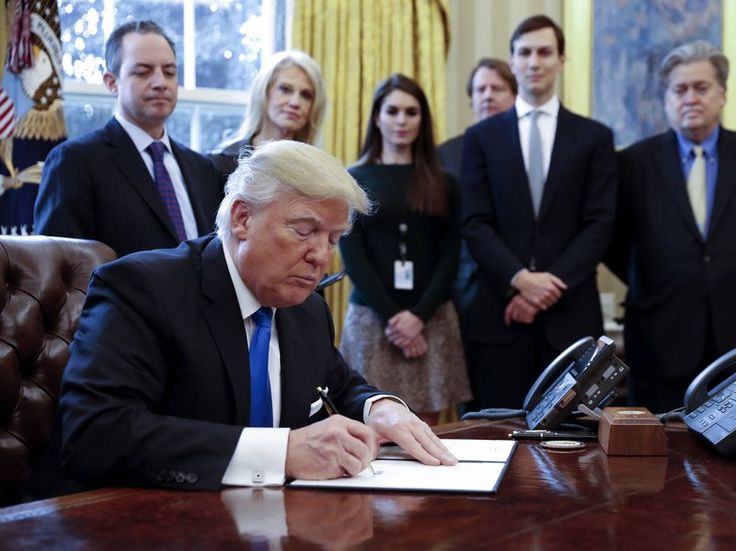
President Donald Trump delivered a nationally televised address Wednesday evening from the White House, outlining his administration’s priorities for 2026. The speech was a strategic attempt to reshape public narratives on economics, immigration, and foreign policy as his approval ratings hover at historically low levels. Independent polling — including data shared by PBS NewsHour — indicates Trump’s approval on the economy is near record lows, largely due to persistent inflation concerns and perceptions of sluggish wage growth relative to rising living costs.
In his address, the president touted an anticipated “economic boom” driven by tariff revenues, regulatory rollback, and incentives for domestic investment. He highlighted job creation in manufacturing and energy sectors and promised policies to reduce dependency on foreign supply chains. Trump also made immigration a central theme, repeating claims that tighter enforcement is integral to economic stability and public safety. Critics argue the address leaned heavily on political rhetoric rather than concrete policy solutions, especially on issues like affordable housing, healthcare costs, and workforce training programs.
Foreign policy also featured prominently; Trump reaffirmed his blockade on Venezuelan oil shipments and framed it as a defense against illicit activities, despite international debate over its legality and diplomatic fallout. Overall, the address is widely interpreted as an effort to consolidate support from his base while attempting to neutralize growing dissatisfaction from moderate and independent voters ahead of crucial 2026 midterm contests.
2. House GOP Blocks Extension of ACA Subsidies — Millions Affected
In a narrow and highly contentious vote, House Republicans voted down legislation to extend expanded Affordable Care Act (ACA) healthcare subsidies that have been critical to making insurance affordable for millions of Americans. The quick vote occurred with sharp partisan divisions, and if no legislative fix emerges before the end of the year, the subsidies are set to expire on December 31.
Thank you for reading this post, don't forget to subscribe!Healthcare economists and policy analysts warn that expiration could result in a dramatic “coverage cliff” — with up to 24 million Americans facing increased premiums, reduced choices, or dropping insurance altogether. These provisions, initially expanded during the COVID-19 pandemic, have been credited with stabilizing markets and lowering net premiums for middle- and low-income households. Opponents of the extension, primarily within the Republican caucus, argue that continuing these subsidies without offsets will worsen federal deficits and tie future administrations to unsustainable entitlement spending.
The political dynamics surrounding this vote reflect broader ideological divisions within the GOP: a faction prioritizes deficit reduction and limited government, while others advocate for preserving popular social benefits. With the Senate already rejecting competing plans, momentum on a bipartisan solution appears stalled. Unless there is urgent compromise in the next two weeks, the lapse of ACA support could become one of the most significant policy shifts affecting everyday Americans in 2026.
3. U.S. Military Lethally Strikes Vessel in Pacific — Part of Expanded Anti-Narcotics Campaign
The U.S. military carried out a lethal strike against a vessel in the eastern Pacific Ocean that the Department of Defense described as linked to narcotics trafficking. Four individuals aboard the vessel were killed, escalating the controversial “anti-drug” maritime campaign that began in September. According to aggregations of real-time reporting, this strike raises the overall toll to nearly 100 casualties across multiple engagements.
While the administration frames the operation as a necessary disruption of drug smuggling routes that feed into the U.S. supply, human rights organizations, the United Nations, and legal experts have criticized the strikes as lacking transparent evidence and due process. The broader operation has drawn intense scrutiny from Congress and advocacy groups concerned about the precedent set by lethal force in international waters without clear authorization or judicial oversight.
The strikes also intersect with geopolitical tensions, particularly surrounding the Trump-ordered blockade of sanctioned Venezuelan oil tankers — a move that Caracas denounced as an act of aggression. These layered military and diplomatic actions complicate U.S. relations in the Western Hemisphere and risk drawing the U.S. deeper into confrontations without clear endgames, even as drug supply challenges remain acute on domestic soil.
4. Trump Accuses Venezuela of Seizing “Our Oil” as Geopolitical Tensions Mount
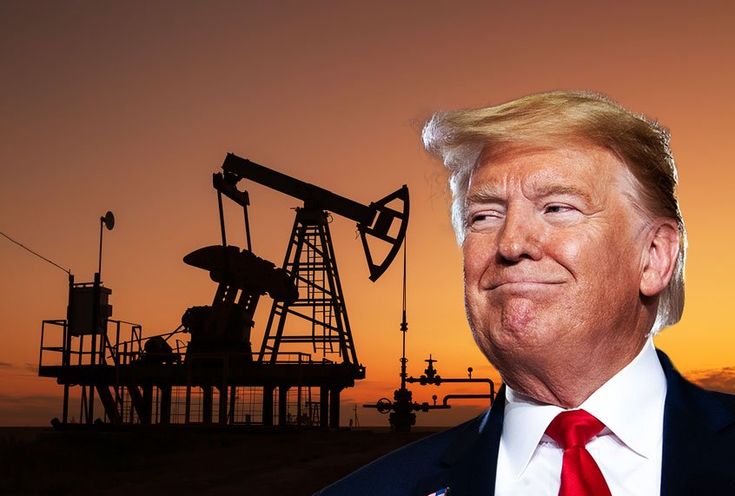
U.S.–Venezuela tensions intensified after President Trump accused Venezuela of taking “American oil,” reflecting the sharp escalation following the U.S. naval blockade and the seizure of a tanker. The Guardian highlights the administration’s continued campaign against both Nicolás Maduro’s government and narcotics networks, while Venezuelan officials and international analysts view U.S. actions as unilateral pressure bordering on economic warfare.
Diplomatically, the rhetoric complicates longstanding international debates about sovereignty, maritime law, and the legitimacy of U.S. sanctions enforcement. Global oil markets have reacted to the uncertainty, causing price volatility that impacts consumers and industries alike. Latin American governments and regional blocs are paying close attention, as the U.S. posture may influence future trade and security alignments across the hemisphere.
Analysts note that conflating Venezuela’s oil governance with drug interdiction — while rhetorically powerful domestically — risks undermining coalitions with partners who advocate multilateral approaches to both energy security and drug trafficking. For U.S. policymakers, balancing enforcement, legal frameworks, and diplomatic repercussions will be a central challenge in the coming weeks.
5. Five Key Takeaways from Trump’s Nation Address — Analysis of Policy Signals
Independent analysis from Al Jazeera identifies five core themes from Trump’s state-of-the-nation speech: economic nationalism, immigration enforcement, tariff reliance, military strengthening, and domestic critique of political opponents. These themes reveal both continuity and escalation in presidential strategy for 2026 policy rollout.
Economically, the president leaned heavily on tariff revenue forecasts and reshoring initiatives as drivers for growth. Critics argue such measures are untested against persistent inflation and may increase consumer costs. On immigration, Trump’s rhetoric linked enforcement tightening to job protection — a message aimed at his base but likely to further polarize national discourse.
Military and foreign policy references underscored a willingness to employ forceful tactics abroad, notably against drug trafficking and what the administration describes as unsanctioned regimes. Domestic political commentary aimed to cast opposition parties as obstacles to national revival.
Overall, analysts view the address not only as a communications push but as a policy pointer: expect continued focus on tariff leverage, law enforcement framing, and military readiness as central pillars of the administration’s 2026 agenda.
6. U.S. Plans to Dismantle Major Climate Research Institution, Sparking Scientific Backlash
The administration announced plans to dismantle the National Center for Atmospheric Research (NCAR), a globally respected climate and atmospheric research institution in Boulder, Colorado. This decision — framed by officials as a move against “climate alarmism” — has prompted a strong outcry from scientists, local leaders, and emergency preparedness advocates.
NCAR’s work includes advanced weather modeling, climate forecasting, and critical research that informs national disaster response systems. Critics warn that undermining such institutional expertise could weaken forecasts for hurricanes, wildfires, and other extreme weather events, impairing public safety and economic planning. Unlike political appointees’ rhetoric, atmospheric scientists emphasize that research is grounded in decades of peer-reviewed evidence.
The political significance extends beyond Boulder: cutting or repurposing scientific infrastructure signals a broader shift in federal priorities on climate science, possibly affecting international collaborations and data sharing. Given rising climate risks already impacting U.S. communities, this policy move is likely to become a flashpoint in 2026 legislative and electoral debates.
7. Snowstorm Aftermath Continues to Disrupt Travel and Operations Across the U.S.
The powerful winter storm that swept the northern U.S. earlier this week — dumping heavy snow from the Midwest to New England and causing widespread travel disruptions — continues to affect daily life, airports, and power grids across multiple states. The system brought some of the highest December snowfall totals in recent years and caused dangerous road conditions, flight delays, and storm-related fatalities.
Transportation authorities warn of ongoing travel challenges due to residual icy conditions and extreme cold. Many schools and public services remain in modified operation as communities manage recovery. Meteorologists say that while the worst has passed, sustained low temperatures will persist, complicating restoration efforts.
This storm underscores the limitations of infrastructure in extreme weather events and is already fueling discussions about modernizing grids, improving emergency preparedness, and enhancing community resilience. With heavy snow and cold snaps projected to increase in frequency under climate change projections, such events are likely to become focal points in policy planning and budget debates.
8. Brown University Shooting Suspect Still at Large as Manhunt Continues

The FBI and local law enforcement continue a high-profile manhunt following a mass shooting at Brown University on December 13, 2025. Two students were killed and nine others wounded during what authorities describe as an unprovoked attack in a classroom setting. Police have released images of a masked suspect, but no arrest has yet been made, and the investigation remains active.
The tragic incident rekindles national debates on gun violence, campus security, and emergency response protocols in educational institutions. Brown officials have canceled upcoming exams and deployed crisis response teams to support students and families. The attack — occurring during final exam week — has inflicted deep emotional trauma on the university community and raised questions about preventive measures on college campuses nationwide.
Public safety experts stress the challenge of detecting and deterring lone-actor violence, while advocates call for renewed legislative action on gun control, mental health services, and threat assessment programs. The case continues to draw media attention as authorities appeal to the public for tips and leads.
9. FBI Deputy Director Dan Bongino Announces January Departure
In a development with significant implications for federal law enforcement leadership, FBI Deputy Director Dan Bongino has announced he will step down in January. Bongino’s tenure, marked by controversy and scrutiny over internal bureau dynamics, has been a focal point of political discourse — especially regarding public perceptions of FBI independence and accountability.
His departure sets the stage for potential leadership shifts within the bureau, impacting priorities from digital crime to national security. With evolving challenges — including cyber threats, domestic extremism, and international espionage — the new leadership choice will be closely watched by lawmakers on both sides of the aisle. Bongino’s exit also reflects ongoing tensions between career law enforcement professionals and political appointees.
10. House Vote on FCC Independence Sparks Debate Over Regulatory Authority
The Federal Communications Commission (FCC) recently removed language referring to agency independence during a Senate hearing, prompting bipartisan concern about political influence over communications regulation — especially as the U.S. confronts misinformation, data privacy debates, and digital infrastructure policy.
Critics of the move argue that weakening FCC independence could erode trust in impartial oversight of telecom companies, broadband access initiatives, and consumer protections. Supporters in the majority claim the change is procedural and aligns regulatory bodies with elected leadership priorities.
Telecom analysts warn that political influence over agencies like the FCC may affect broadband deployment in rural areas, net neutrality enforcement, and competition policy — areas that have significant economic and societal implications. The controversy is likely to continue as Congress wrestles with technology sector regulation.
11. Inflation Data Shows Unexpected Trends — Economic Outlook Mixed
Recent economic data reveal a surprising dip in inflation rates after months of persistent price pressures. While this trend offers some relief to consumers and businesses, economists caution that underlying cost drivers — including housing, healthcare, and energy — remain elevated compared with historical norms.
Federal Reserve policymakers are watching closely; a sustained reduction in inflation could influence interest rate decisions ahead of the 2026 economic cycle. However, confidence remains fragile, with mixed indicators in manufacturing, services, and labor markets.
Consumer sentiment surveys reflect cautious optimism, but high living costs continue to weigh on household budgets. Economists advise that while headline inflation improvements are welcome, durable progress will require balanced fiscal and monetary strategies — especially as external risks, including global supply disruptions, persist.
12. GOP Lawmakers Shift on ACA Subsidies — Internal Party Debate Intensifies
Beyond the blocking vote itself, the dynamics among House Republicans reveal growing internal conflict over healthcare policy direction and fiscal priorities. A small number of GOP members previously supported extensions, emphasizing constituent benefits, while others pursue longer-term structural reforms to entitlement programs.
This division complicates GOP leadership’s ability to advance cohesive policy packages and signals potential fractures heading into the midterm election year. Some moderate Republicans warn that failure to adapt popular social supports could hurt the party’s electoral prospects, particularly among suburban and independent voters. Meanwhile, hard-liners insist entitlement constraints and deficit control must remain central.
The debate highlights broader tensions within the party between ideological purity and pragmatic governance — an issue that will shape legislative agendas and campaign platforms in 2026.
13. Winter Storm Travel Chaos — Airports, Roads Still Recovering
Airports along the Northeast and Midwest are still grappling with flight delays and cancellations caused by last weekend’s intense winter storm. Transportation officials caution travelers to prepare for additional disruptions as crews work through backlogs and icy conditions linger.
Public safety departments urge drivers to exercise extreme caution, as freezing temperatures increase the risk of accidents. The storm’s aftermath is causing ripple effects into supply chains and freight movement — illustrating how extreme weather events can strain infrastructure and economic activity even after the storm has passed.
Federal and state agencies are evaluating response strategies and infrastructure resilience as part of broader planning for future climate-related weather events.
14. Expanded Military Strategy Raises Congressional Scrutiny
The escalation of U.S. maritime operations — particularly lethal strikes against suspected drug trafficking vessels — has triggered bipartisan concern in Congress regarding oversight, legal authority, and regional impact.
Lawmakers from both parties are questioning the executive branch’s justification, authority, and evidence supporting continued forceful engagements far from U.S. shores. Critics argue that deploying military force in such a manner without clear authorization from Congress could undermine constitutional checks and balances — especially at a time when domestic priorities like healthcare and economic stability are front-burner issues.
The debate underscores ongoing tensions between national security objectives and legislative oversight — a core constitutional issue with profound implications for future foreign policy and defense strategy.
15. Communications Policy and Tech Regulation at a Crossroads

As the FCC’s independence language was modified during Senate proceedings, industry stakeholders voiced concerns that the shift could influence critical technology policy areas — from broadband competition to digital privacy rules.
Advocates for regulatory autonomy warn that tethering regulatory bodies too closely to political leadership may reduce public trust, hinder innovation, and slow enforcement of consumer protections. Telecom companies stress that stable, predictable regulation is essential for long-term infrastructure investment.
With emerging issues like artificial intelligence regulation, cybersecurity threats, and 5G expansion on the horizon, the broader implications of this debate extend beyond the current legislative session — affecting how the U.S. navigates technology governance in the decades ahead.
About the Author