
1 — Federal Reserve expected to cut interest rates (FOMC meeting outcome)

Today’s Federal Open Market Committee meeting is the defining macroeconomic event: markets and most reporting outlets anticipated a 25 basis-point cut to the Fed’s policy rate, reflecting a move away from the aggressive tightening cycle of the past two years. A rate cut at this stage is significant because it signals that the Fed believes inflationary pressures have eased enough to allow somewhat easier monetary conditions without—or with limited—risk of reigniting persistent inflation. That said, the cut is neither an unconditional green light for a rapid policy easing cycle nor an admission of full economic strength. Instead, the Fed appears to be threading a narrow path: trimming policy to support employment and reduce the near-term risk of “hard landing” while continuing to signal that its longer-run inflation objective remains central to decisions. The communication around the decision—how strongly the Fed signals future pause(s) versus further cuts—will likely matter more than the 25 bps number itself. Markets respond not just to the action but to guidance; investors will parse the statement and Chair Powell’s press conference for clues about the path of rates into 2026. Expect bond yields, the dollar, and risk asset flows to react within hours as traders reprice growth/inflation expectations and position for the next policy moves .
2 — Why the Fed is framing the cut as job-market protection rather than stimulus
Several analysts and outlets emphasized that the Fed’s likely cut is motivated more by an effort to “protect hiring” and prevent the labour market from tipping than by a desire to stimulate an overheating economy. That distinction matters: a cut framed as a defensive measure signals caution — the Fed is reacting to economic softening risks rather than declaring inflation fully conquered. Practically, this influences bank behaviour (they watch central-bank rhetoric closely) and can temper market exuberance; it also calibrates expectations for fiscal authorities and corporate boards. Policymakers are balancing two real-time datasets: inflation metrics that may be trending down but not yet anchored, and labour market indicators that, while still resilient, show soft spots in hiring and hours worked.
Thank you for reading this post, don't forget to subscribe!A defensive cut can reduce the odds of a sharp employment deterioration that would harm consumer spending, but it will also force the Fed to remain data-dependent—ready to pause if inflation readings or wage dynamics surprise to the upside. For corporate finance teams and portfolio managers, this means planning under policy uncertainty: anticipate easier financing conditions near-term but maintain vigilance for renewed tightening should inflation surprises reappear.
3 — Immediate market reaction and global ripple effects (stocks, bonds, currency)
Reaction across markets is fast and cross-border. U.S. equities typically rally on rate cuts, but the size and sustainability of any rally will hinge on the Fed’s forward guidance. Long-term Treasury yields may fall on the cut but can re-steepen if investors interpret Fed language as signalling an eventual pause rather than a multi-cut easing cycle. Emerging markets and major foreign markets (including Asian indices) often shift in sympathy: the dollar may weaken on a cut, easing pressure on currency-sensitive emerging markets and servicing costs for dollar-denominated debt, but capital flow reversals remain possible if global growth fears intensify concurrently.
Trading desks are focused on the press conference timing because nuance in the Fed’s language can produce intraday volatility. Businesses with near-term borrowing needs will see borrowing costs shift (marginally cheaper credit), while banks and insurers will re-evaluate duration exposures. Central banks globally will also re-assess their own policy stances in light of U.S. moves; coordinated or staggered reactions are common as each central bank weighs domestic inflation versus external spillovers .
4 — Trump administration / Department of Education settlement to end Biden’s SAVE plan
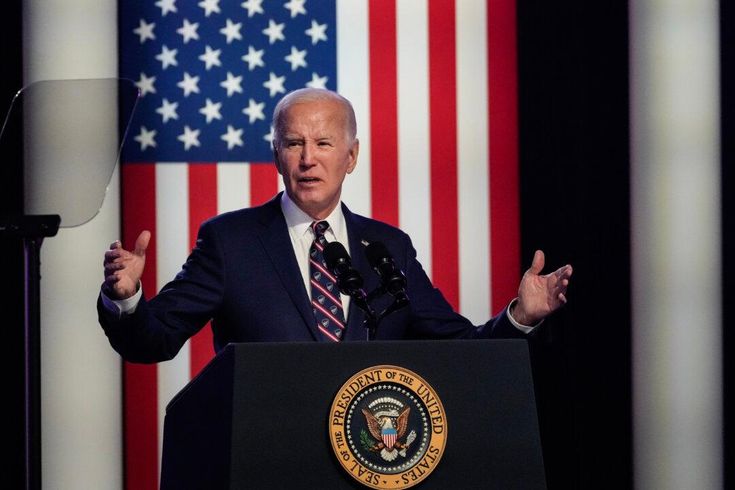
A major policy move: the Department of Education announced a proposed settlement with Missouri and allied states that would terminate the Biden-era “SAVE” (Saving on a Valuable Education) income-driven repayment initiative. That program, which had provided lower monthly payments and a faster path to forgiveness for millions of borrowers, has been legally contested for years. The settlement formalizes the Trump administration’s view that the plan exceeded executive authority and must be unwound, and it will require judicial approval to take full effect.
The immediate policy consequence is operational: pending enrollments may be denied and current participants could be shifted back to older repayment structures. For borrowers, that implies higher monthly bills for many and potential loss of projected forgiveness timelines. For federal budgets, ending SAVE shifts long-term fiscal assumptions (lower forgiveness means higher projected receipts in some budget treatments, but political and legal back-and-forth creates uncertainty). Politically, the move is explosive: it’s a clear and high-salience rollback of a signature Biden-administration consumer-relief policy and will energize both progressive advocacy groups and conservative opponents. Expect litigation, congressional oversight hearings, and state-level political mobilization as immediate next steps .
5 — Practical borrower impacts under the settlement — millions could start repaying sooner
NPR and other outlets reported that under the settlement’s practical terms, millions of borrowers who were benefiting from SAVE could be moved onto higher-payment plans or see their enrollment denied, prompting a restart or increase of monthly obligations. For households still facing affordability pressures, even modest payment increases can tilt budgets and reduce consumption in key categories (rent, groceries, discretionary spending), with macro implications for retail and services sectors. Financially vulnerable borrowers may default or enter deferment programs, increasing administrative costs for servicers and raising political pressure on lawmakers to craft legislative fixes.
The human story is important: many borrowers planned life decisions—home purchases, family financing—around the relief SAVE promised, and reversing that relief increases economic insecurity. Policy-wise, the settlement shifts responsibility into the political arena: absent an immediate court block, Congress will face pressure to legislate a new compromise, and the timeline and scope of any legislative fix are uncertain. Advocacy groups will likely escalate public campaigns, while state attorneys general or consumer groups may seek injunctions—so the legal and practical landscape will remain dynamic.
6 — Political and legal fallout — arguments on both sides
Legal advocates of the settlement argue SAVE overstepped executive authority and circumvented Congress; opponents call the move a politically motivated rollback that harms lower-income borrowers and disproportionately affects Black, Latino, and first-generation college attendees. The litigation history is complex—courts previously blocked large aspects of federal forgiveness efforts—and the settlement marks a tactical pivot by the Department of Education toward negotiated exit rather than protracted appellate battles. Practically, this could shorten litigation timelines but replaces judicial uncertainty with political contestation. Election-cycle dynamics matter:
student-debt policy is a mobilizer for young voters and activists; reversing SAVE could be framed as part of a broader package of domestic-policy rollbacks that will feature heavily in campaign messaging. Economists remain divided on the net macro effect: while ending large-scale forgiveness reduces immediate fiscal outlays in some accounting frames, reducing borrower purchasing power could weigh on consumer spending and GDP growth in the near term. This item will dominate political coverage for days.
7 — U.S. corporate layoffs continue at a large scale — over a million job cuts in 2025
Data aggregators and coverage summarized that 2025 has been marked by high aggregate layoffs, with reporting pointing to roughly 1.1 million workers cut in the year. Unlike single massive wave layoffs of prior downturns, the trend in 2025 has been numerous, sectoral reductions—especially in technology, media, and some manufacturing—spread across the year. That pattern creates a steady increase in labor-market insecurity, even if headline unemployment figures remain modest. For policymakers, persistent layoff flows complicate the inflation/employment trade-off: they are a sign of corporate cost discipline and structural adjustments (automation, shifting demand), but also signal weaker demand in parts of the economy.
For households, the consequences are pronounced in regions with high exposure to tech and corporate services: local housing markets, small businesses, and personal balance sheets can be disrupted. Economists will watch whether hiring slows across front-line services (a leading indicator) and whether long-term unemployment ticks up—both would strengthen the case for additional policy support if they materialize. The layoffs story also affects consumer confidence and can amplify the effects of any monetary easing, since consumer behavior responds to both rates and perceived job security.
8 — Local politics flashpoint: Miami elects a Democrat mayor amid affordability/immigration concerns
Miami’s mayoral result—electing Eileen Higgins, a Democrat—was widely reported as a notable local swing and framed as a potential political bellwether ahead of the 2026 cycle. The race centered on affordability, housing, and immigration—issues that are locally salient but also map onto national debates. Urban voters in several U.S. cities are increasingly focused on cost-of-living pressures, and local outcomes that deliver a partisan flip can signal organizing capacity and message resonance for national parties. For policy implications:
a Democratic administration in Miami is likely to prioritize renter protections, affordable-housing initiatives, and more collaborative approaches with state/federal programs to address migration flows that affect municipal services. For national politics, while a local race does not always scale, parties will analyze turnout, coalition formation (which demographics delivered the margin), and whether local messaging about everyday economic pressures can translate to midterm advantages. Expect both parties to dissect precinct-level data closely.
9 — Senate Republicans plan a vote on a GOP-crafted healthcare proposal
Senate leadership signalled plans to bring a Republican-crafted healthcare proposal to a vote—an item that can reshape messaging and legislative math. Healthcare remains an enduring political issue because it touches inflation (medical costs), consumer budgets, and electoral sentiment. The GOP’s proposal, as reported, aims to address rising premiums with market-oriented fixes, but internal divisions among Republicans on the scope and federal role suggest the bill could struggle to secure unified support. Procedurally, bringing a vote forces senators to stake positions and creates clear political theatre:
Democrats can cast it as an attack on protections, while Republicans will argue for consumer relief. For markets and health industry stakeholders, the policy specifics matter: insurer risk pools, state-level Medicaid arrangements, and pharmaceutical pricing mechanisms could all shift. If the bill passes procedural stages, expect weeks of amendment wrangling. If it fails, Republican leadership faces questions on legislative strategy heading into the midterms.
10 — Small but symbolic policy shifts at the State Department — return to Times New Roman and DEIA cutbacks
A widely noted cultural-and-bureaucratic item: the State Department issued guidance rolling back nonstandard formatting (e.g., Calibri) and framed this as part of reducing “wasteful” DEIA (diversity, equity, inclusion, and accessibility) expenditures. While a font change may sound trivial, it is symbolic of broader administrative efforts to reprioritize the Department’s internal standards and push back against DEIA initiatives that some see as bureaucratic. The signal matters for diplomatic staff morale and for allies who track continuity of institutional norms;
it also reflects the current administration’s rhetorical emphasis on reversing certain internal policies of the prior presidency. For career officials, such symbolic moves can compound concerns about institutional independence and professional norms; for opponents, they underscore a political agenda that seeks to reframe federal workplaces. Policy substance is small here, but symbolic fallout will be reported as an example of cultural policy change at federal agencies.
11 — Campus shooting at Kentucky State University — student killed, another critical

A tragic campus shooting at Kentucky State University left at least one student dead and another critically wounded. Campus violence continues to be a national public-safety and policy challenge: each incident sparks renewed debate over gun safety laws, campus security resourcing, early-warning systems, mental-health services, and community policing strategies. Beyond immediate emergency-response needs and law-enforcement investigations, universities must manage the long-term trauma among students and staff and re-evaluate prevention measures.
Policymakers and university boards are often pushed into reactive mode—reassessing active-shooter protocols, counseling capacity, and collaboration with local authorities. For families and communities, the human toll is immediate; for legislators, it renews calls for diverse solutions that range from firearms regulation to improved behavioral-health interventions and campus infrastructure changes. Reporting will follow the investigation, any identified motives, and whether the perpetrators had prior contact with campus authorities.
12 — SpaceX IPO chatter resurfaces — markets watch valuations and timing

Speculation that SpaceX could pursue an IPO as early as 2026 (with some reports suggesting valuations north of $1 trillion) re-entered the headlines. For the markets, a SpaceX IPO would be among the most consequential tech/space offerings in history, given the company’s integrated business lines (Starlink broadband, launch services, satellite manufacturing) and founder profile. Valuation questions are central: SpaceX’s private capital rounds and internal metrics are opaque, and an IPO would require peeling back that opacity for public investors. Regulators would scrutinize profit drivers, capital intensity (launch and satellite manufacturing costs), and the long-term viability of revenue streams—particularly the recurring-revenue profile of Starlink versus lumpier launch contracts.
For national policy, a public listing of a major aerospace firm raises strategic questions about technology, export controls, and government contracting relationships. For investors, timing matters: lofty private valuations must be reconciled with realistic profit trajectories and the macroeconomic backdrop; an IPO during a period of higher rates or growth concerns could compress multiples vs. optimistic private-round numbers.
13 — Cultural note: Associated Press names its Breakthrough Entertainers of 2025
Culturally, the AP’s Breakthrough Entertainers list highlights rising figures shaping the entertainment industry—useful context for the media and advertising industries. Recognition like this often accelerates streaming deals, brand partnerships, and awards attention, and it helps studios and labels identify talent that commands both critical and audience attention. For marketers and content strategists, emerging entertainers influence program development, demographic targeting, and cross-platform promotions. While not a geopolitical or macroeconomic item, this is relevant to media investors, talent managers, and advertisers who allocate budgets around emerging stars. It also reflects ongoing changes in content consumption—youth-driven trends, globalized audiences for non-English content, and streaming service strategies for talent development.
14 — Reports on stark wealth inequality and public-health costs from synthetic chemicals
Reporting flagged long-term structural issues: data and research cited in broader coverage noted staggering wealth concentration (tiny fractions of the global population holding disproportionate wealth) and linked exposure to synthetic chemicals in food to large public-health burdens (multi-trillion-dollar impacts globally). For U.S. policy, wealth disparity remains a core driver of political debate over taxation, social-safety nets, and access to healthcare and housing. The public-health point—linking chemical exposures in food chains to chronic disease burdens—has implications for regulatory policy (FDA, EPA oversight), agricultural practice, and consumer advocacy.
Together they form a policy background that shapes tax policy debates, healthcare-cost models, and regulatory reform efforts—areas likely to surface in both domestic policy discussions and private-sector strategic planning (from CPG companies to insurers).
15 — What to watch next — litigation, Fed guidance, and incoming economic data
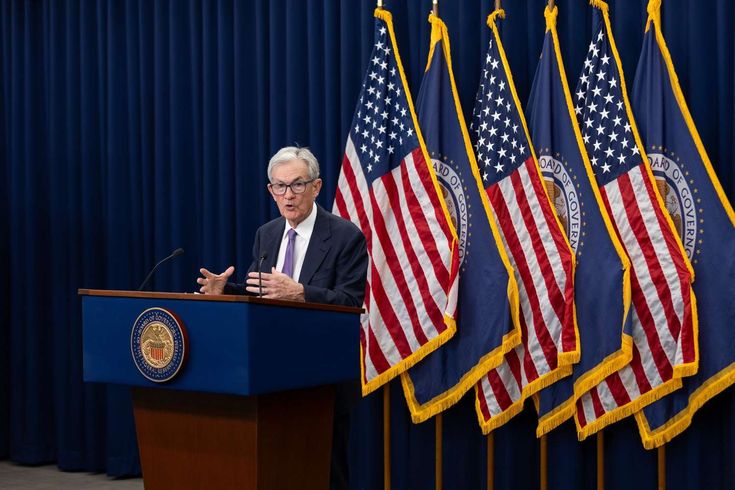
Three near-term watchers: (1) Administrative and judicial next steps on the SAVE settlement—will courts block or approve the deal, and will Congress step in? (2) Fed guidance and the immediate economic-data flow—employment figures, inflation prints, and consumer sentiment will determine whether the Fed’s cut is the start of a multi-cut cycle or an isolated, defensive move; and (3) corporate earnings and layoff announcements—if layoffs persist or revenue trends deteriorate, that will shape risk sentiment and the likelihood of further policy action.
For investors, businesses, and policy teams, the interplay of legal developments (student debt), central-bank posture, and real-sector indicators (hiring, consumer spending) will define market regimes into Q1 2026. Structured contingency planning—scenario-based stress tests for both policy and business strategies—remains the prudent approach in this environment of legal-political churn and macro uncertainty. (See earlier citations for the core items referenced above.)
About the Author