Federal Budget & Government Funding Developments
The U.S. political system remains focused on government funding after recent budget negotiations narrowly prevented a prolonged shutdown. Lawmakers passed a large spending package that reopened most government departments, but several agencies — especially those connected to homeland security — still face short-term deadlines. The debate highlights deeper disagreements about immigration enforcement, border policy, and long-term fiscal discipline. Analysts describe the situation as a “temporary calm,” meaning Congress will likely revisit the issue in the coming weeks. For businesses, this matters because uncertainty around government funding affects contracts, hiring, and investor confidence. Federal workers and contractors also face uncertainty when funding deadlines approach. Financial markets typically respond cautiously in such situations, as political gridlock can slow economic momentum. Experts say both parties are trying to avoid blame for any future disruption, but negotiations remain tense. Overall, today’s political environment shows a balancing act between keeping services running and pushing policy priorities. Citizens should expect more headlines about funding talks through February as lawmakers seek a more permanent solution.
Immigration & Homeland Security Policy Debate
Immigration policy continues to dominate U.S. political discussions. Funding for the Department of Homeland Security remains a major bargaining tool in Congress, with disagreement over how strict federal immigration enforcement should be. Some lawmakers argue for stronger border protections and expanded authority for immigration agencies, while others push for oversight and new restrictions on enforcement practices. This policy conflict reflects broader national conversations around economic migration, humanitarian concerns, and labor demand. For communities across the country, immigration issues directly impact local economies, workforce availability, and public services.
Thank you for reading this post, don't forget to subscribe!Political analysts note that this issue is becoming increasingly central ahead of future election cycles, as both parties try to appeal to voters concerned about border security and fairness in immigration procedures. Markets and businesses are also paying attention because immigration policies affect labor supply in agriculture, hospitality, construction, and healthcare sectors. Today’s updates suggest that negotiations are moving forward slowly, but no final agreement has been reached. The outcome could influence not just federal policy but also state-level decisions in coming months.
White House Strategy & International Messaging
Donald Trump continues shaping U.S. messaging on trade and foreign policy, emphasizing economic fairness and stronger national positioning in global markets. Recent statements from the administration highlight concerns that U.S. allies and competitors have benefited disproportionately in trade relationships. This rhetoric signals a possible continuation or expansion of tariff-based economic strategies. Global observers are watching closely because changes in U.S. trade policy can affect supply chains, manufacturing costs, and diplomatic relationships. Financial analysts say aggressive trade messaging often creates short-term market volatility but can also reshape long-term industrial policy.
Businesses that rely on imports or global sourcing are particularly cautious, as tariffs can increase costs and alter pricing strategies. Meanwhile, supporters argue that tougher policies may strengthen domestic manufacturing and reduce trade imbalances. Political commentators note that such strategies resonate with voters focused on job protection. Today’s coverage suggests that trade policy remains a core pillar of broader economic messaging coming from Washington.
U.S. Stock Market Volatility & Investor Sentiment
Wall Street ended the week with noticeable instability as investors reacted to inflation data, employment numbers, and technology-sector pressure. Markets experienced sharp swings, with some indexes posting their weakest weekly performance of the year. Analysts say uncertainty around inflation trends and future interest rates continues to drive investor anxiety. Technology stocks, which have been market leaders for years, showed signs of fatigue, contributing to broader declines. Traders are increasingly sensitive to economic indicators, especially inflation reports that could influence Federal Reserve decisions.
Despite short-term declines, some strategists remain optimistic, believing cooling inflation could support recovery later in the year. Retail investors are watching closely, as volatile markets create both risk and opportunity. Financial planners recommend cautious diversification rather than emotional decision-making during uncertain periods. Overall, the market environment today reflects a classic tug-of-war between economic optimism and caution. The next rounds of data releases are expected to play a major role in determining whether markets stabilize or remain choppy through February.
Inflation Data & Economic Direction
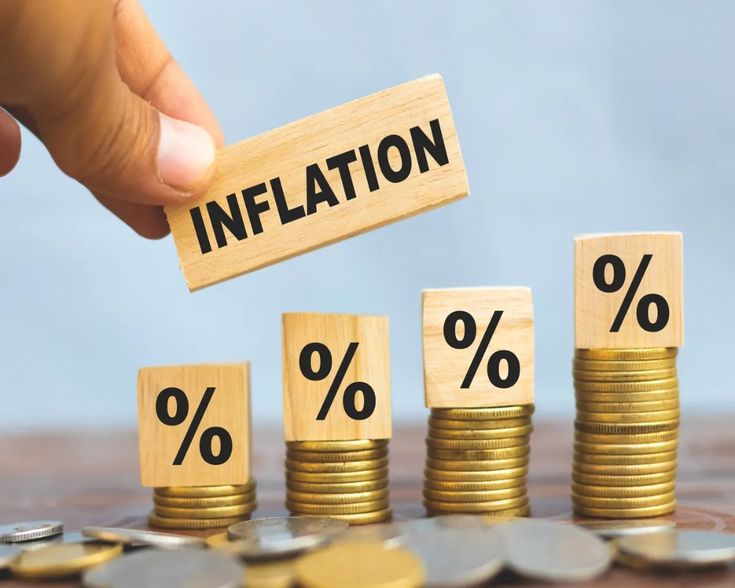
Recent inflation readings suggest prices may be rising more slowly than expected, offering some relief to households and investors. However, experts warn that inflation remains a sensitive issue because small changes can shift expectations about future interest rates. If inflation stays moderate, the Federal Reserve may avoid aggressive policy tightening, supporting business growth and borrowing conditions. Consumers are already seeing mixed signals — some essential categories remain expensive, while others show signs of stabilization.
Economists argue that inflation today is more about services and wages than supply-chain shocks, meaning policy responses may differ from previous years. Investors closely analyze monthly inflation reports because they influence bond yields, stock prices, and mortgage rates. For average families, slower inflation could mean more predictable budgets and improved purchasing confidence. Still, specialists emphasize that one month of positive data is not enough to declare victory. Today’s economic outlook remains cautiously optimistic but highly dependent on upcoming reports and labor market strength.
Jobs Market: Mixed Signals Emerging
The U.S. labor market is showing both resilience and warning signs. Official reports indicate steady job creation, but revised data has introduced uncertainty about how strong hiring truly is. Analysts explain that benchmark revisions sometimes change the picture significantly, revealing slower growth than originally reported. Some industries — especially healthcare and finance — continue to add jobs, while manufacturing and professional services show weakness. Businesses appear cautious about large hiring expansions due to economic uncertainty and higher operational costs.
Workers are experiencing a “low-hire, low-fire” environment, meaning layoffs are limited but new opportunities may grow more slowly. Economists say this type of labor market often appears during economic transitions rather than recessions. For policymakers, employment trends are crucial because they influence wage growth and consumer spending. Today’s conversations about jobs emphasize the need to look beyond headline numbers and examine deeper trends before drawing conclusions about economic health.
Technology Sector Adjustment Phase
The U.S. tech industry is experiencing a period of recalibration after years of rapid expansion. Recent market movements show investors becoming more selective, rewarding companies with strong profitability while penalizing those with uncertain growth outlooks. Reports of layoffs and restructuring in some major firms suggest that companies are focusing on efficiency rather than aggressive hiring. Analysts believe this shift reflects changing monetary conditions and investor expectations around artificial intelligence, cloud computing, and automation. While innovation remains strong, short-term pressure on valuations has increased.
Startups are also adapting by extending funding timelines and prioritizing sustainable growth. Experts argue that such adjustment cycles are normal and can ultimately strengthen the sector by eliminating unsustainable business models. For workers, the shift means competition for high-paying roles may increase, but demand for specialized AI and cybersecurity skills remains high. Overall, today’s tech environment reflects cautious optimism — innovation continues, but financial discipline is now a dominant theme.
Defense & Global Security Positioning

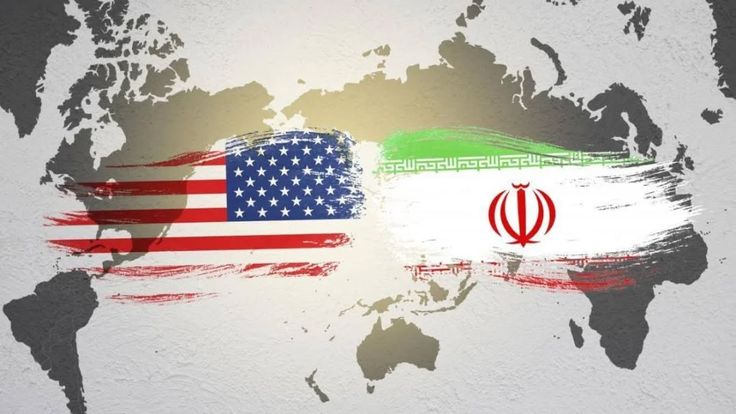
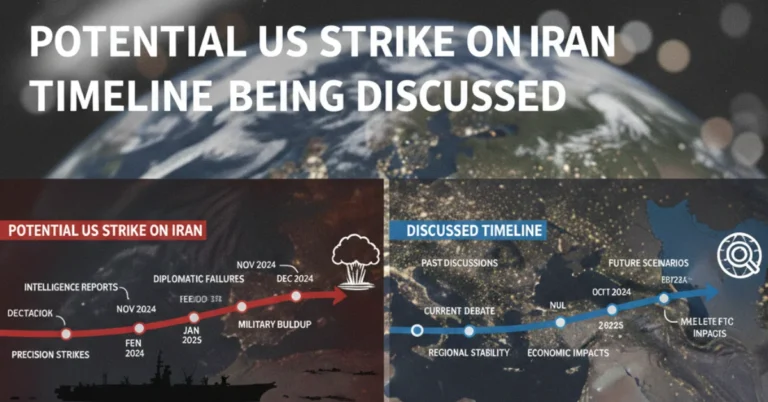
Reports indicate the U.S. is strengthening its military presence in strategic regions, signaling ongoing global security priorities. Decisions involving aircraft carrier deployments and international partnerships reflect Washington’s focus on deterrence and stability amid global tensions. Defense analysts say such moves are often intended to reassure allies while demonstrating readiness. These developments can also influence energy markets and diplomatic relationships, as geopolitical signaling affects global confidence. Military activity often intersects with trade, energy supply, and international negotiations, making it closely watched by investors and policy experts.
Public opinion tends to vary, with some supporting strong international engagement while others favor reduced overseas commitments. Today’s updates suggest that defense strategy remains an important part of broader foreign policy discussions, particularly in regions where competition among major powers continues to rise. Economically, defense spending also contributes to domestic manufacturing and employment, adding another layer to the national debate about security and fiscal priorities.
Consumer Mood & Spending Trends
Consumer spending remains one of the strongest supports for the U.S. economy, but confidence levels are showing mixed signals. Rising living costs over recent years have made shoppers more price-conscious, even as employment remains relatively stable. Retail analysts note that buyers are increasingly choosing value-focused options and prioritizing essential purchases. Digital spending continues to grow, with e-commerce and subscription services holding strong positions. Economists say consumer behavior is important because household spending drives a large share of U.S. GDP.
If confidence weakens, businesses could reduce expansion plans, affecting broader growth. Surveys indicate that shoppers are watching inflation and employment data closely, suggesting high sensitivity to economic news. Today’s environment reflects cautious spending: consumers are still active but more strategic than before. Companies that adapt to changing preferences — including discounts, flexible payment options, and personalized experiences — may perform better in coming quarters. Overall, consumer behavior remains a key indicator of economic direction.
Trade Policies & Tariff Discussions
Trade policy has re-emerged as a major topic in economic discussions, especially around tariffs and their potential impact on jobs and prices. Some policymakers argue tariffs protect domestic industries and reduce dependence on foreign supply chains. Critics, however, warn that tariffs can raise prices for consumers and create tension with trading partners. Recent analyses suggest that large-scale trade conflicts may affect employment patterns across multiple sectors, especially manufacturing and logistics. Businesses operating globally must adapt quickly when trade rules change, often shifting production or sourcing strategies.
Economists note that tariffs tend to produce winners and losers, meaning outcomes vary by industry and region. Public opinion on trade remains divided, reflecting broader debates about globalization versus economic nationalism. Today’s discussion highlights that trade policy is not only an economic issue but also a political and strategic one, shaping how the U.S. positions itself in a competitive global economy.
Media, Communication & Public Trust
Public trust in news and information remains a central national conversation. Discussions around media coverage, polling, and press access highlight growing tensions between political institutions and journalists. Experts say trust gaps can affect how citizens interpret major policy decisions and economic data. Media organizations are adapting by increasing transparency and expanding digital engagement, while audiences increasingly choose personalized news sources. This shift creates both opportunities and risks, as information can spread quickly but sometimes without full context. Analysts emphasize the importance of media literacy, encouraging readers to compare sources and verify facts.
Today’s environment shows that news consumption habits are evolving rapidly, influenced by social media, streaming platforms, and independent creators. As political debates intensify, the role of the press in shaping public opinion remains significant. Overall, media dynamics are becoming an important factor in how Americans understand and respond to national events.
Infrastructure & Long-Term Investment

Infrastructure spending remains a key long-term topic in U.S. policy discussions. Projects related to transportation, energy networks, and urban development continue to influence economic planning at both federal and state levels. Major construction initiatives are viewed as tools for job creation and competitiveness. Economists argue that infrastructure investment can boost productivity by improving efficiency in logistics and travel. However, funding challenges and political disagreements often slow implementation. Businesses in construction, engineering, and materials sectors closely monitor policy announcements because they directly affect contracts and employment opportunities.
Communities benefit from improved roads, bridges, and public transit, which can attract new investment and housing development. Today’s conversations suggest that infrastructure remains a bipartisan goal in theory, but execution depends on budget priorities and political negotiation. Over the long term, experts say consistent infrastructure investment is essential for maintaining economic strength and supporting future innovation across industries.
Digital Reliability & Telecom Stability
Telecommunications reliability became a major talking point following recent large-scale service disruptions affecting mobile networks in parts of the U.S. Experts stress that reliable connectivity is now considered essential infrastructure, impacting everything from emergency services to business operations. When outages occur, they highlight the importance of cybersecurity, redundancy systems, and infrastructure investment. Companies are working to improve network resilience and communication transparency during disruptions. For everyday users, outages serve as reminders of how dependent society has become on digital connections for payments, navigation, and communication.
Regulators may increase attention on telecom preparedness and accountability. Businesses with remote teams and digital services are especially affected by connectivity interruptions, making backup systems increasingly important. Today’s discussions suggest that the telecom sector will face more scrutiny regarding reliability standards as digital dependence grows. Long term, experts believe stronger infrastructure and clearer crisis communication will be central to maintaining consumer trust.
Upcoming Political Calendar & National Expectations
Attention is already turning toward upcoming national political moments, including major congressional addresses and policy announcements. These events often serve as opportunities for leaders to outline legislative priorities, economic goals, and global strategy. Analysts expect discussions to focus on inflation, jobs, national security, and trade. Such speeches can influence market sentiment because investors look for policy signals related to regulation, taxes, and spending. Political messaging also shapes public expectations and media coverage for weeks afterward.
Historically, national addresses aim to present optimism while acknowledging challenges, and this year is expected to follow that pattern. Citizens and businesses alike pay attention because policies announced during these events can influence decision-making across sectors. Today’s political climate suggests a strong focus on economic competitiveness and domestic stability as guiding themes. Observers expect intense debate after the speech, as lawmakers interpret policy goals differently depending on party priorities.
Big Picture: America’s Current Direction
Looking across all sectors — politics, economics, technology, and society — the United States today appears to be in a transitional phase. Growth continues, but uncertainty remains around inflation, employment accuracy, and global competitiveness. Political debates over spending, immigration, and trade show that policymakers are struggling to balance short-term stability with long-term strategy. Financial markets reflect this uncertainty through volatility, while consumers and businesses adopt cautious optimism. Experts describe the current environment as one shaped by adjustment rather than crisis.
Innovation remains strong, especially in technology and infrastructure development, yet risk management has become a dominant theme. Global events and domestic politics continue to influence economic expectations. For citizens, the key takeaway is adaptability — both individuals and institutions are adjusting to a faster-changing world. Today’s news cycle reflects a country that is active, competitive, and evolving, with many decisions made now likely to shape the direction of the next several years.
About the Author