U.S.–Iran Diplomacy and Rising Tensions
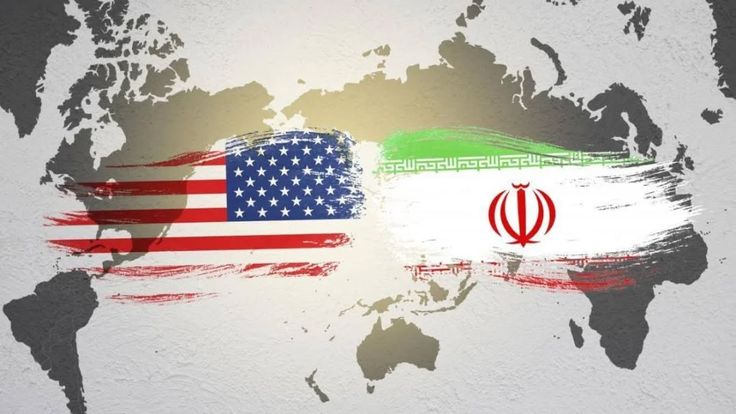
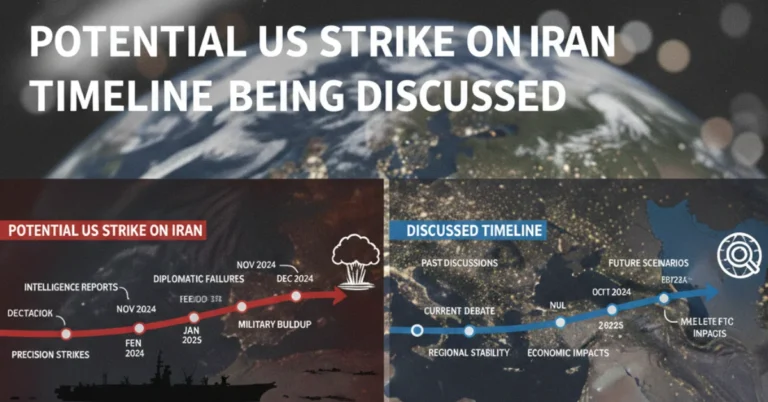
The United States remains deeply engaged in diplomatic and military discussions regarding Iran, creating one of the most watched global stories this week. Reports indicate that negotiations over nuclear arrangements and regional stability are continuing, while at the same time U.S. military planning has reportedly prepared for possible extended operations if diplomacy fails. This dual-track approach — diplomacy alongside military readiness — reflects Washington’s strategy of pressure plus negotiation.
Thank you for reading this post, don't forget to subscribe!The situation shows how complex modern diplomacy has become. On one side, officials emphasize economic opportunities and potential agreement frameworks. On the other, military assets continue moving in the region, signaling that strategic deterrence remains active. Analysts believe the coming weeks will determine whether diplomacy reduces tensions or whether geopolitical uncertainty increases oil-market volatility and global risk sentiment.
For everyday Americans, such events influence fuel prices, stock market confidence, and foreign policy debates at home. The government’s balancing act between avoiding conflict and projecting strength is likely to dominate political commentary throughout February. International allies are closely monitoring developments, hoping stability can be maintained through dialogue rather than escalation.
U.S. Foreign Policy Tone Shifts in Europe
Recent diplomatic meetings in Europe highlighted a noticeable shift in messaging from U.S. officials toward European allies. While maintaining strong strategic positions, leaders emphasized reassurance and cooperation, attempting to strengthen NATO alignment and maintain transatlantic unity.
This approach reflects broader challenges facing U.S. foreign policy — balancing domestic priorities with international responsibilities. European governments increasingly seek clarity on America’s long-term commitments, especially amid evolving global security pressures. Analysts note that even small changes in tone can influence investment confidence, defense collaboration, and public perception abroad.
From an economic perspective, strong alliance signals stabilize markets by reducing fears of geopolitical fragmentation. Politically, it shows Washington’s continued recognition that global security cooperation remains central to its strategy. Diplomacy often operates through messaging as much as policy, and this week’s events demonstrate how speeches and public statements are used to shape international expectations.
The coming months may show whether this softer diplomatic tone helps rebuild stronger partnerships while maintaining firm strategic positions globally.
U.S. Economy: Consumer Sentiment Improves
Economic data released in early February suggests American consumers are feeling cautiously more optimistic. Sentiment indicators reached a six-month high, showing gradual improvement despite lingering concerns over inflation and job security.
Experts describe the recovery as uneven. Wealthier households appear more confident due to stock market performance, while lower-income groups remain cautious because of cost-of-living pressures. This creates what economists call a “K-shaped” experience — where economic gains are not equally distributed.
For policymakers, rising sentiment is important because consumer spending drives much of the U.S. economy. Increased confidence often translates into more purchases, travel activity, and business investment. However, economists warn that inflation risks and global tensions could quickly reverse positive trends.
The broader takeaway is that America’s economy is showing resilience but remains sensitive to policy decisions and global events. Investors, businesses, and households will be closely watching upcoming inflation and employment reports to judge whether momentum continues through spring 2026.
Jobs Market Surprises Economists
New employment data showed stronger-than-expected hiring, reinforcing the idea that the labor market remains stable. Payroll growth exceeded forecasts, while unemployment edged lower, leading many analysts to predict that the Federal Reserve may keep interest rates steady for now.
A steady job market supports household income and spending, helping avoid recession fears. Markets reacted positively initially, with stock futures rising and bond yields adjusting as investors reassessed monetary policy expectations. Businesses across sectors continue adapting to technological change while still showing demand for workers.
Yet economists caution that strong jobs numbers alone do not guarantee long-term stability. Wage pressures, automation trends, and global supply chain shifts could affect hiring later in the year. For workers, job availability remains a key confidence signal, influencing decisions about housing, education, and long-term planning.
This report adds to the narrative that the U.S. economy is navigating a delicate balance between growth and inflation control — one of the defining economic stories of 2026.
Climate Policy Debate Intensifies
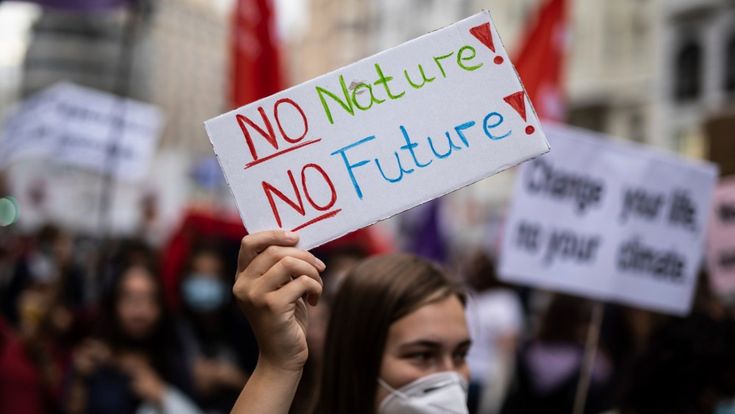
Environmental policy returned to headlines after a major regulatory decision that alters long-standing climate strategy foundations. The move has sparked debate among scientists, policymakers, and industry leaders regarding the future direction of America’s climate response.
Supporters argue that regulatory changes could reduce burdens on businesses and encourage energy production. Critics warn that weakening scientific frameworks could slow emissions reductions and increase long-term environmental risks. This clash highlights the deep political divide surrounding climate policy in the United States.
Economically, energy companies may benefit from relaxed restrictions, but renewable sectors worry about uncertainty affecting investment decisions. Internationally, such policy shifts also influence America’s climate leadership role and diplomatic relationships on environmental agreements.
Public opinion remains split, ensuring climate debates will continue to shape election conversations, corporate strategy, and activism throughout the year.
Governors’ Meeting Shows Political Division
A traditionally bipartisan gathering of U.S. governors faced disruption amid political disagreements. The event, historically seen as a place for cooperation across party lines, became another example of increasing polarization in national politics.
Political analysts believe this tension reflects broader national divisions that extend beyond Washington into state leadership. Governors play key roles in managing education, healthcare, and economic development, so breakdowns in collaboration could slow policy coordination.
The situation demonstrates how governance is evolving in a highly partisan environment. Some leaders emphasize the need to maintain pragmatic cooperation despite ideological differences, while others view political confrontation as necessary for advancing policy goals.
For citizens, these developments may influence how smoothly federal and state programs are implemented, especially in areas like infrastructure and emergency response. The event serves as a reminder that political climate can significantly affect policy outcomes even outside Congress.
Immigration Debate Extends into Sports and Culture
Immigration policy discussions expanded beyond politics into cultural and sports spaces, including commentary surrounding international events. Athletes and public figures have increasingly been drawn into national conversations, highlighting how political issues now intersect with entertainment and global competitions.
Some athletes have called for unity and respect while navigating media attention tied to policy debates. This reflects a broader trend where sports platforms become arenas for societal conversations rather than pure entertainment.
Culturally, such moments reveal how immigration remains one of the most emotionally charged topics in the U.S. Political messages often resonate globally when major sporting events are involved, influencing perceptions of American society abroad.
These developments show that policy debates no longer remain confined to press conferences or legislative chambers — they increasingly shape popular culture and public discourse across multiple industries.
Critical Minerals Strategy Targets Supply Chains
The U.S. government is pursuing alliances aimed at securing critical minerals essential for technology, defense, and clean energy industries. This strategy is designed to reduce reliance on dominant suppliers and strengthen supply chain resilience.
Critical minerals such as lithium and rare earth elements play vital roles in batteries, electronics, and advanced manufacturing. Policymakers argue that diversified partnerships with allies will improve national security and economic stability.
Business leaders support efforts to stabilize supply access, but analysts caution that establishing new trade blocs may take time and require extensive international coordination. The strategy also reflects growing competition between major global powers over resource control.
Long term, this policy could influence electric vehicle markets, renewable energy development, and technology manufacturing inside the U.S., making it one of the most strategically significant economic initiatives of the year.
Nuclear Arms Control Enters New Phase

Global security analysts are closely watching discussions between the U.S. and Russia after the expiration of major arms-control limitations. Officials reportedly agreed that new talks should begin soon to prevent unchecked nuclear competition.
Arms control agreements historically reduced risks of escalation by limiting deployment and requiring inspections. Without updated frameworks, concerns grow about transparency and long-term strategic stability.
The challenge now lies in rebuilding trust amid ongoing geopolitical tensions. Negotiators must balance national security priorities with global non-proliferation goals. Experts warn that failure to reach agreements could increase defense spending and uncertainty worldwide.
For Americans, these issues may feel distant but directly influence military strategy, budgets, and international relations. Diplomatic outcomes in this area could shape global security for years ahead.
Ukraine Peace Pressure and U.S. Diplomacy
Efforts to end the war in Ukraine continue, with reports suggesting increased U.S. involvement in pushing negotiations forward. Ukrainian leaders have publicly called for stronger pressure on Russia, highlighting the complex diplomatic balancing act Washington faces.
The U.S. aims to support allies while encouraging diplomatic solutions that could stabilize Europe. Talks remain difficult, and analysts say meaningful breakthroughs depend on political willingness from all parties involved.
Domestic audiences in America are watching closely, as foreign aid spending and global commitments remain sensitive political topics. The outcome of negotiations could shape defense policy, energy markets, and alliance structures in Europe.
Even without immediate resolution, continued diplomatic engagement signals that Washington views the conflict as central to global stability and its own strategic interests.
Technology Markets React to AI Spending
Technology stocks have experienced volatility amid concerns about massive artificial intelligence investments. Investors are weighing whether huge AI spending will drive long-term profits or create short-term financial pressure.
Analysts describe current market behavior as cautious optimism mixed with fear of overinvestment. Companies are increasing spending rapidly, but returns may take time to materialize. This uncertainty influences broader stock market sentiment because tech firms hold significant weight in major indexes.
For consumers, AI development continues to shape everyday life through automation, productivity tools, and digital services. Businesses view AI as essential for competitiveness, even amid investor skepticism.
The ongoing debate suggests that 2026 could define whether AI becomes a sustainable growth engine or experiences a short-term correction phase in financial markets.
Extreme Winter Weather Impacts Communities
The recent North American cold wave brought severe temperatures and disruptions across parts of the U.S., impacting transportation, utilities, and local economies. Weather experts linked the event to large atmospheric shifts affecting the polar vortex.
Extreme weather events increasingly raise questions about infrastructure resilience and climate adaptation. Cities faced challenges managing energy demand, road safety, and emergency response. Economically, severe cold can disrupt supply chains and increase household costs.
Meteorologists emphasize that such events demonstrate the growing unpredictability of seasonal patterns. Businesses and local governments may need to invest more in preparedness to reduce future disruptions.
The event highlights how weather is becoming a significant economic and policy issue — not just a seasonal challenge.
Justice Department Transparency Debate
A legal and political conversation has emerged following reports involving communications between the Justice Department and lawmakers concerning document redactions. The issue has sparked renewed debate about transparency, accountability, and public trust.
Such disputes often become focal points in broader discussions about institutional independence and political oversight. Supporters argue that certain redactions protect sensitive information, while critics call for greater openness.
Legal experts note that transparency debates frequently shape long-term perceptions of government credibility. Media coverage ensures these discussions remain visible to the public, influencing political narratives across party lines.
Regardless of outcome, the episode reflects ongoing tensions between confidentiality requirements and demands for disclosure in American governance.
Vice Presidential Diplomacy Expands Reach

Recent international visits by senior U.S. officials illustrate the administration’s emphasis on expanding diplomatic engagement. Such trips symbolize attempts to strengthen relationships with regions that have historically received less direct high-level attention.
Strategic visits serve multiple goals: reassuring partners, encouraging cooperation, and signaling geopolitical interest. Diplomatic symbolism matters — first-time visits or new partnerships can reshape regional expectations.
Experts say these engagements may influence trade, security cooperation, and regional stability over time. They also show how diplomacy extends beyond crisis management into long-term relationship building.
For American foreign policy, visibility and presence remain key tools for maintaining global influence in a rapidly changing international environment.
America’s Social Mood: Polarization and Dialogue
Across politics, sports, climate, and foreign policy, a common theme emerges — the United States continues to experience intense debate and ideological division. Yet there are also signs of attempts to rebuild dialogue, whether through diplomacy, economic cooperation, or public discussion.
Experts describe this moment as one of transition, where institutions adapt to rapid social, technological, and geopolitical change. Media landscapes, online discourse, and public expectations are evolving quickly, influencing how news is consumed and interpreted.
For citizens, navigating information from multiple sources requires critical thinking and awareness. The challenge moving forward will be balancing disagreement with constructive conversation.
Ultimately, the national story in February 2026 appears to be one of contrast: economic resilience alongside uncertainty, global leadership alongside strategic challenges, and active debate shaping the future direction of the country.
About the Author