U.S.–Iran Nuclear Talks Resume in Geneva (Global Diplomacy)
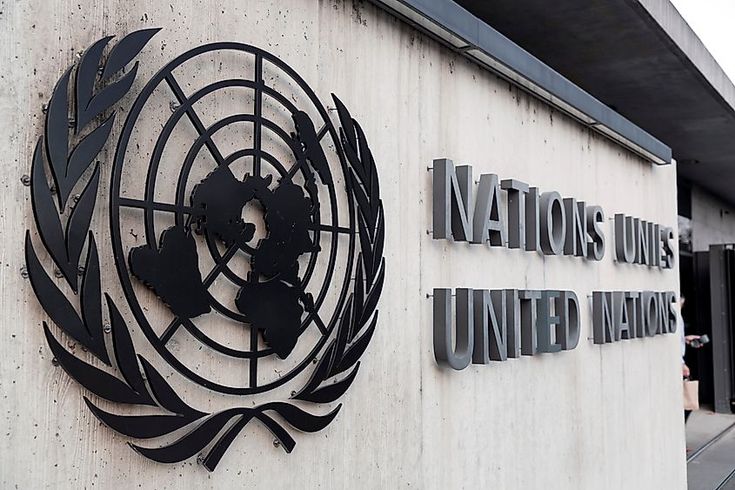
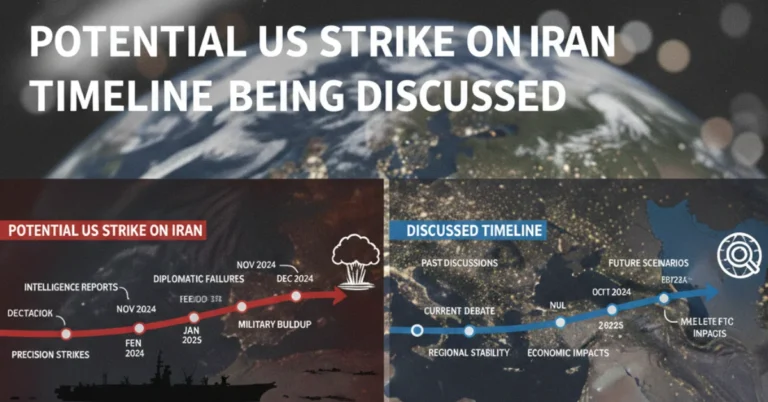
The United States returned to high-stakes diplomacy today as officials entered another round of indirect negotiations with Iran in Geneva. Reports indicate that both sides are attempting to build agreement around guiding principles that could reduce escalating military tension in the Middle East. American envoys are participating alongside regional mediators, while global markets closely watch outcomes due to implications for oil supply, shipping routes, and global security. Analysts say the talks reflect a broader U.S. strategic shift toward diplomatic stabilization rather than immediate confrontation, even while military readiness remains high in the background.
For Washington, the outcome is not only about nuclear policy but also about maintaining global leadership credibility and reassuring allies. Financial markets reacted with cautious optimism, as easing tensions typically reduce safe-haven buying and oil risk premiums. At the same time, critics warn that progress could be fragile, and any misstep might trigger renewed instability. Diplomacy experts emphasize that these negotiations are likely to be long and incremental, focused first on avoiding escalation before discussing broader agreements.
In the domestic political context, the talks are also a test of foreign policy messaging and America’s ability to balance pressure and dialogue on the world stage.
U.S. Pushes Parallel Peace Talks on Ukraine (Foreign Affairs Strategy)
On the same day as the Iran discussions, U.S.-brokered talks related to the Russia–Ukraine conflict began in Geneva, highlighting Washington’s multi-front diplomatic strategy. Officials from both sides entered negotiations despite deep disagreements on territory and ceasefire terms. Analysts view this as a symbolic moment because it comes nearly four years after the conflict began, showing how difficult peace efforts have become.
Thank you for reading this post, don't forget to subscribe!For the United States, simultaneous diplomatic engagement across multiple global crises signals an attempt to regain negotiating momentum. Experts argue that even limited dialogue helps reduce escalation risks and keeps communication channels open. Economically, the outcome affects energy prices, defense spending expectations, and European security cooperation — all closely watched by U.S. investors and policymakers.
Domestic reactions vary: some praise diplomacy as a necessary step toward ending a prolonged crisis, while others doubt meaningful progress due to entrenched political positions. Still, diplomatic observers stress that peace talks often begin slowly, with incremental confidence-building measures rather than immediate breakthroughs.
Today’s meetings reinforce America’s role as mediator and demonstrate the continued importance of U.S. diplomacy in shaping global security outcomes.
Passing of Civil Rights Icon Revives National Reflection (Society & History)
The death of civil rights leader Jesse Jackson at age 84 has sparked nationwide reflection on social justice movements and political activism in modern American history. Jackson played a significant role in expanding minority political participation and ran historic presidential campaigns that reshaped Democratic politics.
Tributes across media and political circles emphasize his lifelong work on economic equality, voting rights, and civil rights advocacy. Analysts note that his legacy remains visible in contemporary policy debates around inequality and social justice. The news has triggered renewed discussion about the evolution of civil rights activism—from mass protests of the 1960s to today’s digital and grassroots movements.
Many commentators believe this moment could prompt renewed educational focus on civil rights history among younger generations. In political terms, the timing also comes as the U.S. prepares for another election cycle, reminding the country of the long arc of social change.
Public reactions reflect both respect for historical achievements and reflection on unfinished challenges. The national conversation today blends remembrance with evaluation of how far America has progressed—and how far it still must go.
Global Markets React as U.S. Investors Return from Holiday (Economy & Finance)
Financial markets opened cautiously as U.S. traders returned from the long weekend, with investors weighing geopolitics, inflation signals, and technology-sector volatility. Analysts describe the market mood as “carefully optimistic,” with strong sentiment but underlying concern about overvaluation in certain sectors.
Investment surveys suggest confidence remains high, yet volatility persists due to uncertainty around AI-related investments and global economic growth. Economic indicators scheduled for release this week — including inflation and GDP updates — are expected to guide short-term market direction.
For American households, market conditions directly influence retirement funds, corporate hiring plans, and consumer confidence. Investors are closely monitoring Federal Reserve signals, as interest-rate expectations continue to shape bond yields and equity valuations.
Although markets are not showing panic, there is clear caution about global risks, including diplomatic tensions and slower growth abroad. Analysts say today’s trading reflects a balancing act between optimism over corporate earnings and caution about macroeconomic uncertainties.
Overall, the financial story today is one of restrained confidence, where investors remain hopeful but vigilant in a rapidly shifting environment.
Gold Prices Drop as Geopolitical Risks Ease (Commodities Watch)
Gold experienced a sharp decline today as signs of diplomatic progress reduced demand for safe-haven assets. Historically, gold rises when investors fear conflict, but renewed talks between major nations pushed markets toward riskier investments like equities.
Commodity analysts note that currency strength and interest-rate expectations also contributed to the decline. A stronger U.S. dollar typically pressures gold prices, making them more expensive for international buyers. For American investors, this shift signals changing sentiment rather than a long-term trend reversal.
Lower gold prices can affect mining companies, ETF performance, and even consumer jewelry demand. Economists say the move demonstrates how rapidly markets respond to geopolitical headlines. Investors remain cautious because any deterioration in negotiations could quickly reverse the trend.
From a macroeconomic perspective, falling gold prices often indicate improved risk appetite — suggesting markets believe diplomacy may reduce immediate global threats. However, experts caution that commodity markets remain sensitive to unexpected political or economic developments.
Today’s price shift highlights how international diplomacy directly influences U.S. financial markets and investor psychology.
Currency Markets Focus on Fed Signals (Economic Outlook)
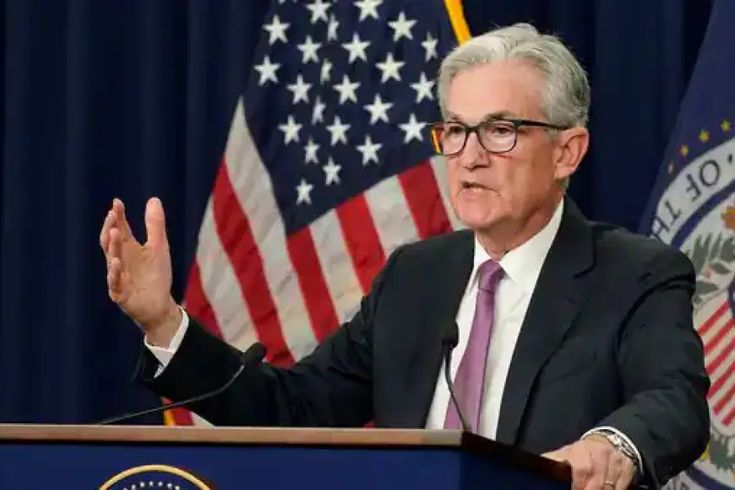
Currency traders today watched U.S. economic expectations closely, particularly as Federal Reserve meeting minutes approach. The U.S. dollar showed mixed movement against major currencies, reflecting uncertainty about future rate decisions.
For American businesses, currency fluctuations matter because they affect exports, imports, and international competitiveness. A stronger dollar can reduce inflation by lowering import costs but may challenge exporters by making U.S. products more expensive overseas.
Market analysts suggest investors are positioning cautiously ahead of economic data releases. Global factors — including slowing growth in parts of Asia and Europe — continue to influence dollar strength.
Economists believe the currency story reflects broader uncertainty: inflation appears more controlled, yet growth concerns remain. Traders are balancing expectations of stable policy with the possibility of future adjustments if economic data shifts.
The dollar’s movement today demonstrates how monetary policy expectations ripple across global markets, influencing everything from commodity prices to tourism flows. American consumers may not notice daily fluctuations, but over time they shape purchasing power and investment returns.
U.S. Trade Debate Intensifies Around Tariffs (Policy & Commerce)
Discussions surrounding U.S. tariffs and trade relationships returned to headlines, highlighting how economic policy remains central to American strategy. Officials continue to emphasize protective measures aimed at strengthening domestic industry while negotiating more favorable international trade terms.
Economists note that tariff policies often create mixed effects: they may shield certain industries while increasing costs for businesses reliant on imported materials. American manufacturers and retailers are watching closely as policy decisions could influence pricing strategies and supply chains.
Political observers point out that trade remains a key campaign issue, as voters connect it to jobs, inflation, and economic fairness. Analysts expect future debates to focus on balancing domestic growth with global competitiveness.
Business leaders argue that predictable trade policy helps companies plan long-term investments, while frequent changes can increase uncertainty.
Today’s discussions highlight how trade policy sits at the intersection of politics and economics, affecting industries ranging from technology to agriculture. As negotiations continue globally, U.S. policymakers aim to position the nation for stronger economic influence in an increasingly competitive world.
Technology Sector Faces AI Investment Concerns (Tech & Innovation)
Investors remain focused on the technology sector after signs of volatility linked to heavy artificial-intelligence spending. Analysts say enthusiasm around AI innovation has created both extraordinary growth opportunities and concerns about over-investment.
Large companies continue racing to build advanced computing infrastructure, but some market observers warn that revenue timelines may not yet justify the scale of spending. This creates uncertainty for investors trying to evaluate long-term profitability.
In the U.S., AI remains central to economic strategy, influencing everything from workforce development to national competitiveness. Startups continue attracting venture funding, while policymakers debate regulation and ethics frameworks.
Today’s market behavior suggests investors are recalibrating expectations rather than abandoning optimism. Analysts emphasize that transformative technologies often experience cycles of hype and correction before stabilizing.
For consumers, AI advancements promise improvements in productivity, healthcare, and digital services — though concerns about job displacement and data privacy remain central to public discussion.
The story today reflects America’s complex relationship with innovation: excitement about future breakthroughs paired with caution about financial sustainability.
Sports Update: Recovery After Olympic Injury (Sports & Human Interest)
Sports headlines today highlighted the return of legendary skier Lindsey Vonn to the United States following treatment after an Olympic downhill crash. Fans and athletes across the country expressed support as she begins recovery.
The incident has renewed conversations about safety in elite sports and the intense physical demands athletes face at the highest level of competition. Experts say modern training and medical support have improved recovery outcomes, yet risks remain unavoidable in extreme events.
Sports analysts emphasize that athletes like Vonn represent resilience and determination, qualities that inspire audiences far beyond the sports world. Her recovery story adds a human dimension to Olympic coverage, reminding viewers of the personal sacrifices behind global competition.
American sports media continues to focus on both athletic achievement and well-being, reflecting changing public attitudes toward athlete health.
Today’s update illustrates how sports stories often transcend competition, becoming narratives about perseverance, recovery, and mental strength — themes that resonate strongly with audiences nationwide.
Media Industry Shift as Major Anchor Changes Role (Media & Culture)
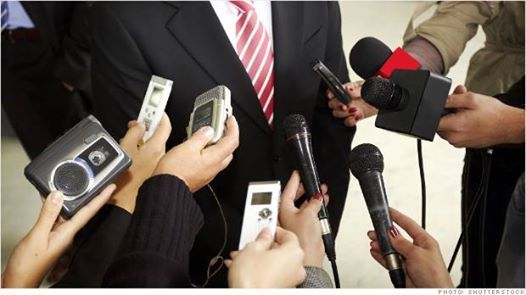
Broadcast journalism saw a notable development today as veteran journalist Anderson Cooper announced his departure from one long-running program while continuing his primary news role. Media analysts view this as part of broader shifts across American journalism, where personalities increasingly balance traditional broadcasting with evolving audience expectations.
Industry experts say news organizations are adapting to digital consumption habits, streaming platforms, and changing advertising models. Veteran anchors adjusting roles reflects both personal choices and structural changes inside media companies.
Public reaction has been largely supportive, with many viewers recognizing the emotional and professional demands of long-term broadcasting careers. Analysts suggest such changes highlight how journalism is evolving toward more flexible formats while maintaining trusted voices.
The media landscape in the U.S. continues to transform rapidly, shaped by technology, political polarization, and audience demand for transparency. Today’s announcement reinforces the idea that even established institutions are adapting to modern realities.
Ultimately, the story underscores the human side of journalism — professionals balancing career longevity, family priorities, and audience expectations in a fast-changing industry.
Investor Sentiment Remains Surprisingly Strong (Business Mood)
Despite global risks and market volatility, surveys indicate U.S. investors remain strongly optimistic about corporate profits and economic resilience. Analysts describe sentiment as unusually bullish, reflecting confidence in innovation-driven growth and strong company earnings.
However, economists caution that optimism can sometimes create vulnerability if expectations become unrealistic. Market corrections often occur when sentiment runs ahead of economic fundamentals.
For American businesses, positive investor sentiment supports expansion and hiring plans, as access to capital becomes easier. Yet cautious voices remind markets to watch inflation, interest rates, and global uncertainties.
The combination of optimism and caution defines today’s economic mood. Investors appear confident in the long-term trajectory of the U.S. economy but are carefully monitoring short-term data releases.
Financial strategists say this environment rewards diversification and disciplined planning rather than speculation. The broader takeaway is clear: confidence remains strong, but market participants are increasingly aware that volatility can return quickly.
Energy Markets Respond to Diplomatic Signals (Energy Outlook)
Energy prices moved as traders reacted to signs of diplomatic engagement involving the United States. When geopolitical tensions ease, expectations of stable supply often put downward pressure on oil prices.
For American consumers, energy prices remain one of the most visible indicators of economic health because they influence transportation, food costs, and overall inflation. Analysts note that even small shifts in oil markets can ripple through the wider economy.
U.S. policymakers continue balancing energy security with global cooperation and environmental priorities. Investors are watching whether diplomatic efforts translate into long-term stability or merely short-term relief.
Energy experts suggest that uncertainty is likely to remain, as global supply chains and regional politics continue to influence pricing.
Today’s market reactions illustrate how closely energy markets track diplomatic developments, reinforcing the connection between international negotiations and everyday economic realities for Americans.
Political Messaging Shapes Global Narrative (U.S. Leadership Focus)
Statements from U.S. leadership regarding international negotiations and trade continue shaping global headlines. Analysts say political messaging now plays a crucial role in influencing both markets and diplomatic expectations.
Public comments about foreign policy decisions can shift investor sentiment almost instantly, as global markets interpret tone and intent. Political scientists note that communication strategies are increasingly part of negotiation tactics.
Domestically, voters interpret these messages through partisan lenses, making foreign policy both an international and domestic political issue.
Today’s developments show how leadership communication can impact diplomacy, economics, and media coverage simultaneously. Experts emphasize that consistency and clarity are essential to maintaining credibility abroad.
As America navigates multiple international challenges, communication style remains nearly as important as policy itself — influencing allies, rivals, and global economic reactions alike.
Civil Society Debate on Free Speech and Accountability (Social Issues)

National debate intensified around workplace consequences tied to public expression, reflecting ongoing tension between free speech and organizational policies. Legal experts say these discussions highlight evolving expectations of accountability in the digital age.
Employers increasingly monitor online behavior, while employees argue for clearer boundaries between personal expression and professional consequences. The issue raises questions about constitutional protections, workplace culture, and social media influence.
Analysts believe this topic will remain prominent as technology continues blurring lines between private and public identity. Universities, corporations, and advocacy groups are likely to debate ethical guidelines and legal standards moving forward.
For American society, the conversation touches deeper questions about tolerance, responsibility, and the role of digital platforms in shaping public discourse.
The Bigger Picture: America Balancing Diplomacy, Markets, and Society (Editorial Summary)
Today’s headlines reveal a United States navigating multiple complex fronts simultaneously — global diplomacy, market uncertainty, technological transformation, and cultural reflection. From nuclear negotiations to financial markets, from sports recovery stories to media industry shifts, the national narrative reflects both resilience and change.
Experts suggest that the defining theme of the day is balance: balancing diplomacy with security, innovation with caution, and tradition with modernization. Economic optimism coexists with caution, while social conversations continue evolving in response to cultural and technological shifts.
In the broader sense, these stories illustrate how interconnected modern life has become. A diplomatic meeting abroad moves commodity prices at home; a market shift influences retirement plans; a historical figure’s legacy shapes current social debates.
As Americans process today’s events, one clear pattern emerges — the country remains highly engaged with the world while simultaneously undergoing internal transformation.
This dynamic tension between global leadership and domestic change defines today’s special news cycle, offering insight into where the United States may be heading next.
About the Author