1. Next-Generation Electric Powertrains
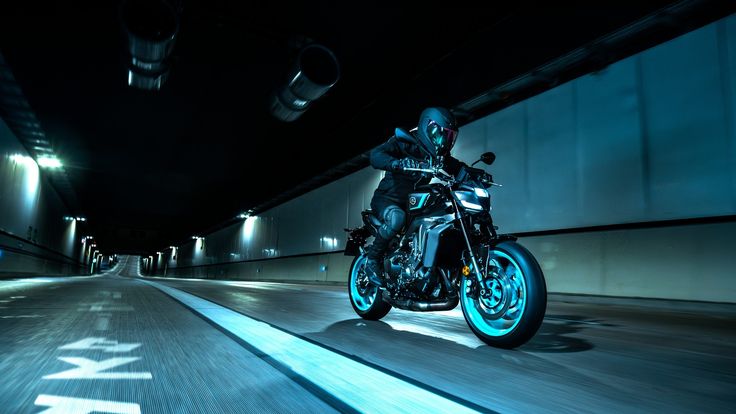
The year 2026 is set to redefine motorcycle engineering with advanced electric powertrains that offer a remarkable balance of performance, efficiency, and sustainability. New bikes launching in 2026 are expected to feature upgraded battery packs with significantly higher energy density, allowing riders to experience extended ranges without compromising power output. Many manufacturers are shifting towards solid-state battery technology, which promises quicker charging times, enhanced thermal stability, and longer battery life cycles. These innovations address major consumer concerns regarding charging convenience and performance reliability. Additionally, improved electric motors with increased torque output will deliver instant acceleration, creating a more responsive and exhilarating riding experience. The integration of smart thermal management systems ensures consistent performance even during prolonged rides or high-temperature environments. Combined with regenerative braking enhancements and lightweight chassis materials, these next-generation powertrains make 2026 electric bikes not only environmentally friendly but also thrilling and practical for daily use. As governments increase incentives and charging infrastructure expands globally, electric bikes with next-generation powertrains will become a dominant force in both urban and performance motorcycle segments.
2. Ultra-Fast Charging Technology
By 2026, one of the most anticipated upgrades in electric motorcycles is ultra-fast charging technology, significantly reducing downtime for riders. Manufacturers are developing charging systems capable of replenishing up to 80% of a battery’s capacity within 10–15 minutes, making electric bikes practically as convenient as fueling traditional engines. This advancement is made possible through improved battery chemistry, advanced heat-dissipation techniques, and compatibility with 350 kW+ DC fast-charging stations. Riders will be able to embark on long-distance journeys with minimal interruptions, enabling electric motorcycles to compete directly with petrol-powered touring bikes. In addition, smart charging modules will monitor battery health, adjust charging speeds intelligently, and integrate with mobile apps to provide real-time status updates.
Thank you for reading this post, don't forget to subscribe!The interoperability of charging standards across brands is also expected to improve in 2026, simplifying public charging access worldwide. Ultra-fast charging eliminates range anxiety, enhances convenience, and dramatically increases the practicality of electric motorcycles for both commuting and adventure rides. This feature alone is set to revolutionize riders’ expectations and accelerate global adoption of electric bikes.
3. Advanced AI-Based Riding Assistance
Motorcycles launching in 2026 will incorporate state-of-the-art AI-based riding assistance systems designed to enhance rider safety, performance, and overall experience. These systems use machine learning algorithms to continuously analyze riding patterns, road conditions, speed, lean angle, and traction levels to predict potential hazards and assist the rider accordingly. Features like predictive collision alerts, cornering assistance, lane-keeping alerts, and adaptive cruise control will make riding more intuitive and secure. AI systems will also allow bikes to adjust power delivery based on road conditions—such as wet surfaces, gravel, or steep inclines—ensuring optimal grip and stability. Moreover, AI-enabled adaptive suspension will automatically soften or stiffen based on riding style and terrain.
Over-the-air updates will keep the AI system continuously improving with new features. By combining advanced sensors, high-resolution cameras, and real-time data processing, AI-based riding assistance transforms motorcycles into intelligent machines that support the rider like never before. This represents a major leap toward semi-autonomous riding experiences while maintaining the thrill and control expected by motorcycle enthusiasts.
4. Holographic Dashboard Displays
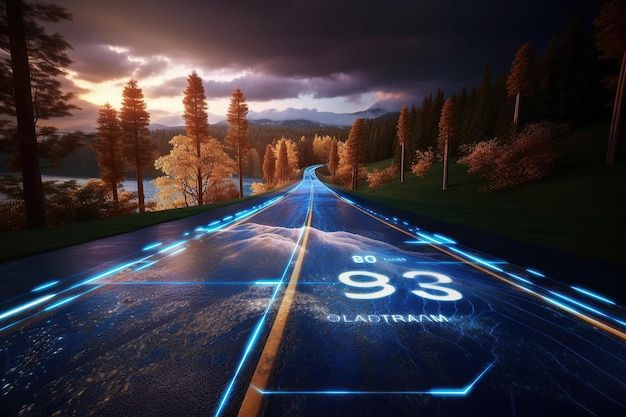
In 2026, motorcycles are expected to introduce futuristic holographic dashboard displays that enhance rider awareness without distracting from the road. These displays project essential information—such as speed, navigation, battery status, and riding mode—directly into the rider’s line of sight, eliminating the need to look down at a physical screen. Using advanced projection technology and AR (Augmented Reality), the holographic interface adjusts brightness and clarity based on ambient lighting to ensure visibility in all weather conditions. Riders can also customize the dashboard layout through voice commands or gesture controls, providing a highly personalized experience.
Holographic displays reduce visual clutter on the handlebars, improve safety, and offer a sleek, modern aesthetic that aligns with the next generation of smart vehicles. These dashboards may also integrate smartphone notifications, hazard alerts, and AI-generated riding suggestions. The seamless blend of augmented reality and motorcycle performance makes holographic dashboards one of the most visually striking and functionally impactful innovations expected in 2026.
5. Smart Adaptive Suspension Systems
Motorcycles launching in 2026 will feature highly advanced smart adaptive suspension systems designed to automatically adjust to varying terrains, riding styles, and payload weights. Using a combination of sensors, gyroscopes, and AI algorithms, the suspension continuously monitors road conditions and rider inputs to deliver the perfect balance of comfort and performance. Whether navigating rough city roads, leaning hard into corners, or cruising on highways, the system fine-tunes damping and stiffness in real time. This eliminates the need for manual adjustments and ensures optimal traction and stability at all times. Smart suspension also improves safety by reducing wobbling, wheel slip, and sudden jolts.
Riders will experience smoother rides, greater control, and enhanced confidence, especially during high-speed maneuvers or long-distance touring. Additionally, these systems can store personalized riding profiles, allowing users to switch between comfort, sport, off-road, or eco modes instantly. With continuous learning capabilities, the suspension system evolves with the rider’s habits, making bikes feel more intuitive than ever before.
6. Lightweight Graphene-Enhanced Frames
A major innovation expected in the 2026 motorcycle lineup is the introduction of graphene-enhanced frames. Graphene is one of the strongest and lightest materials known, offering exceptional tensile strength and durability. When integrated into motorcycle frame construction, it dramatically reduces overall weight while improving structural rigidity. This results in better handling, faster acceleration, improved energy efficiency, and superior cornering stability. Riders will benefit from a more responsive and agile motorcycle that reacts instantly to input. In addition, graphene’s remarkable heat dissipation properties help regulate temperatures around the battery compartment and powertrain, enhancing safety and performance longevity.
Manufacturers can also design sleeker, more aerodynamic body shapes without compromising strength. Graphene frames represent a major leap in engineering technology and will likely become a defining feature of premium motorcycles by 2026. This innovation not only enhances performance but also increases durability, making bikes more resistant to wear, fatigue, and environmental conditions.
7. Regenerative Energy Optimization
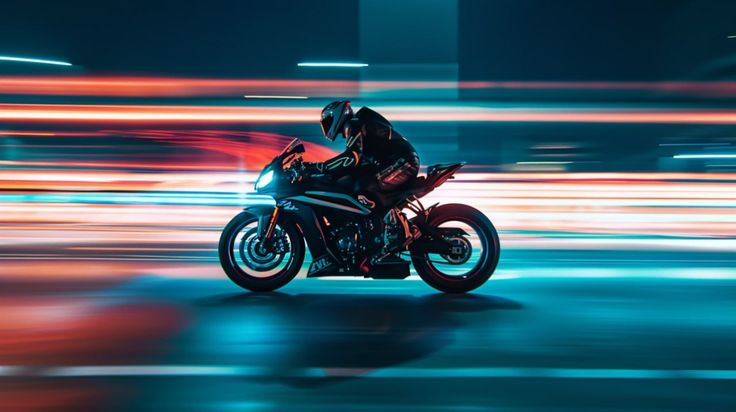
Regenerative energy systems in 2026 models will be far more advanced than earlier versions, capturing kinetic energy during braking and deceleration with much higher efficiency. New intelligent systems will analyze riding patterns and maximize energy recovery based on terrain, speed, and braking intensity. Some models will allow riders to choose between different regeneration modes—such as high regen for city riding and low regen for highways. Improved regenerative technology will significantly extend battery range and reduce dependence on charging infrastructure. Additionally, advanced control units will ensure smooth transitions between motor power and regenerative braking, eliminating jerky deceleration. This greatly enhances the riding experience while contributing to overall sustainability.
With optimized energy recovery, riders get more mileage per charge and enjoy cost savings on electricity over long-term use. Regenerative technology is expected to become a standard feature across all electric bike segments in 2026.
8. Hyper-Connectivity & IoT Integration
2026 motorcycles will function as fully connected smart devices, thanks to highly advanced IoT ecosystems. These bikes will integrate seamlessly with smartphones, smart helmets, wearables, and cloud platforms, enabling riders to monitor and control various features remotely. Functions such as live bike location, battery status, navigation updates, theft alerts, remote locking, and performance analytics will be accessible via mobile apps. Real-time over-the-air updates will improve the bike’s software, add new features, and enhance security protocols.
IoT connectivity will also support vehicle-to-vehicle (V2V) and vehicle-to-infrastructure (V2I) communication, significantly improving road safety by alerting riders to hazards, traffic conditions, and weather changes. Hyper-connected motorcycles give riders unprecedented control, convenience, and peace of mind, transforming bikes into intelligent machines that interact continuously with the environment.
9. Biometric Security Systems
By 2026, traditional keys will largely be replaced by advanced biometric security systems, including fingerprint sensors, facial recognition, voice authentication, and even heartbeat pattern verification. These features enhance motorcycle security by ensuring only authorized users can start or access the bike. Biometric systems also eliminate risks associated with lost keys or hacking of smart locks. Some models may allow multiple user profiles, each with personalized riding modes, seat adjustments, and dashboard preferences.
The integration of biometric data with cloud authentication adds an extra layer of safety and makes theft nearly impossible. Additionally, emergency biometric override options will allow riders to unlock the bike in situations such as gloves or helmets covering sensors. Overall, biometric systems make motorcycles more secure, personalized, and technologically advanced.
10. Multi-Mode Performance Mapping
Modern bikes in 2026 will come equipped with sophisticated performance mapping systems offering a range of riding modes such as Eco, Sport, Touring, Rain, Off-Road, and Hyper-Performance. Each mode adjusts throttle response, power delivery, suspension settings, traction control, and braking sensitivity to match the rider’s needs and environmental conditions. Riders can switch between modes instantly through the handlebar controls or via voice commands. This feature ensures maximum efficiency in city traffic, superior power on highways, and greater safety on slippery roads. Multi-mode mapping transforms the motorcycle into a versatile machine capable of adapting to any scenario.
This technology is especially beneficial for new riders who need controlled power output as well as professionals seeking peak performance. The customization and flexibility provided by multi-mode mapping make 2026 bikes more user-friendly and future-ready.
11. Enhanced Battery Thermal Management
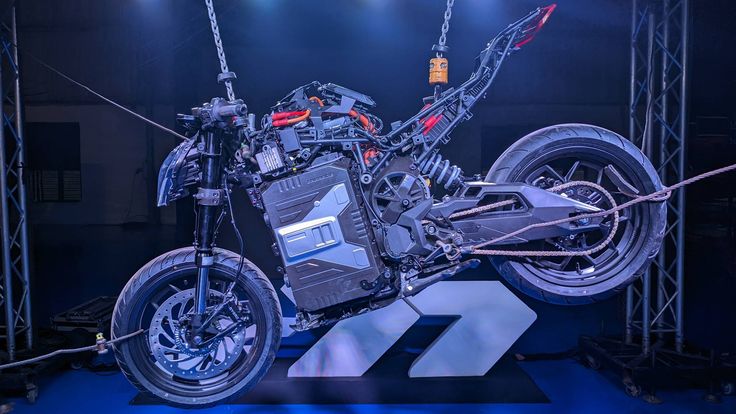
Thermal management systems in 2026 electric motorcycles will be significantly more advanced, ensuring optimal battery performance even in extreme temperatures. Using liquid cooling, phase-change materials, and AI-controlled ventilation systems, these bikes maintain a stable temperature range for the battery pack. This prevents overheating, increases efficiency, and prolongs battery lifespan. Intelligent temperature sensors will predict thermal risks and activate cooling mechanisms proactively. Improved thermal management also allows for faster charging speeds without damaging the battery cells. Riders will benefit from consistent power delivery, especially during long rides or high-speed cruising. A reliable thermal system enhances safety, prevents unexpected power drops, and ensures smooth performance across varying weather conditions.
12. Futuristic Aerodynamic Body Designs
The motorcycles of 2026 will feature futuristic aerodynamics inspired by motorsports and aviation engineering. With sleek contours, active air-vents, winglets, and airflow-optimized chassis shapes, these bikes will achieve higher efficiency and stability. Active aero components will adjust automatically at different speeds to reduce drag or increase downforce during cornering. This enhances stability, improves battery range, and boosts top-end performance. Designers will use computational fluid dynamics (CFD) to refine every angle, ensuring the perfect balance between aesthetics and function. These aerodynamic designs not only make bikes visually striking but also deliver superior real-world performance, making them ideal for both commuters and performance enthusiasts.
13. Smart Helmet Integration (HUD + Communication)
2026 bikes will come with seamless integration for next-generation smart helmets equipped with heads-up displays (HUD), Bluetooth systems, cameras, and voice assistants. These helmets will project navigation, speed, and alerts directly onto the visor, allowing riders to keep their eyes on the road. Integrated communication systems enable hands-free calls, music streaming, intercom connectivity, and emergency signals. Cameras in helmets will also record rides in high resolution for safety and entertainment. Smart helmet integration enhances safety, connectivity, and convenience, creating a unified riding ecosystem.
14. Zero-Noise and Vibration Reduction Technology
Future electric bikes will include advanced noise and vibration reduction systems that make rides smoother and more comfortable. Engineers will utilize silent motor technology, vibration-absorbing materials, and frame design optimization to deliver near-zero noise operation. This results in a refined, stress-free riding experience, especially in urban areas. Reduced vibration enhances rider comfort, prevents fatigue, and increases bike durability. These upgrades redefine the concept of premium electric motorcycles.
15. Hybrid Power Motorcycle Models
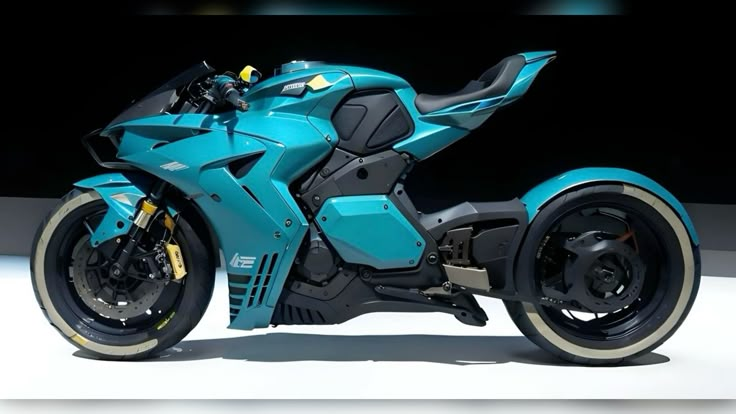
2026 may also introduce hybrid motorcycles combining electric motors and compact combustion engines. These bikes provide extended range, higher performance, and unmatched flexibility. Riders can switch between electric-only mode for city riding and hybrid mode for long-distance touring. Hybrid bikes reduce emissions, increase efficiency, and offer backup power for remote areas with limited charging infrastructure. They will appeal to riders who want eco-friendly performance without range limitations.
16. Integrated Smart Safety Ecosystem
Finally, 2026 motorcycles will feature a complete smart safety ecosystem combining radar, LIDAR, cameras, AI, ABS+, traction control, blind-spot monitoring, and emergency braking systems. These technologies work together to detect obstacles, anticipate accidents, and assist the rider with real-time corrective actions. Emergency SOS systems will automatically notify contacts and authorities in case of an accident. This integrated safety bundle makes motorcycles significantly safer without compromising performance or freedom.
About the Author