1. Global EV Market Reaches Historic Milestone by 2025
By 2025, the global electric vehicle (EV) market is expected to reach a turning point as multiple factors converge to accelerate mass adoption. Governments worldwide are enforcing strict emission regulations to combat climate change and reduce pollution, pushing automakers to transition rapidly from internal combustion engines (ICEs) to electric mobility. EV technology has also matured, offering longer ranges, faster charging, and enhanced performance at competitive prices. Large investments in charging networks, including highway-level fast chargers and community-based home charging systems, have significantly reduced range anxiety. Consumer awareness about sustainability and long-term savings is higher than ever, resulting in growing demand for eco-friendly vehicles. Major markets like China, the US, and Europe are witnessing strong adoption rates driven by policy support, tax incentives, and environmental consciousness. With these combined efforts, the EV market is projected to surpass ICE vehicles in annual sales by the end of this decade.
2. Government Policies Driving the EV Transition
Governments play a central role in accelerating EV adoption by implementing strict environmental rules, incentivizing purchases, and investing in charging infrastructure. Countries are offering subsidies, GST reductions, registration fee exemptions, and tax rebates to encourage buyers to switch from gasoline to electric mobility. Furthermore, several nations have announced deadlines for banning ICE vehicle sales, pushing manufacturers toward electrification. Beyond consumer incentives, governments are investing heavily in renewable energy-powered charging stations, ensuring sustainable electricity supply for EVs. This integrated policy approach not only reduces transportation-based emissions but also stimulates economic growth by attracting investments in battery production, R&D, and EV supply chains.
Thank you for reading this post, don't forget to subscribe!As a result, EV manufacturers are competing to launch advanced models, creating a vibrant global market. These policy measures collectively position electric mobility as a cornerstone of future transportation, ensuring long-term sustainability and improved urban air quality.
3. Technological Advancements Accelerating EV Performance
Rapid technological breakthroughs are transforming the EV landscape, making modern electric vehicles far more efficient, powerful, and practical than ever before. Innovations in battery chemistry, thermal management, and energy density have significantly boosted driving range and charging capability. Companies are introducing next-generation batteries that promise higher capacity, longer life cycles, and better durability, enabling EVs to overcome previous limitations. Improvements in regenerative braking, electric motors, and power electronics further enhance performance and energy efficiency. As technology evolves, production costs are decreasing, allowing manufacturers to offer EVs at more accessible prices.
These advancements not only attract new consumers but also increase confidence in EV reliability for long-distance travel. With such progress, the EV sector is poised to transition from early adoption to mainstream acceptance, promising a cleaner, smarter, and more innovative mobility future.
4. Tesla’s XCell Ultra Battery Sets New Industry Standard
Tesla’s newly introduced “XCell Ultra” battery is a revolutionary development in the EV sector. Designed for ultra-long range, the battery allows vehicles to travel up to 1,000 km on a single charge, addressing one of the biggest concerns among EV buyers. It features exceptional energy density, compact size, and improved thermal stability, enhancing overall vehicle performance. The battery also supports ultra-fast charging, enabling drivers to regain significant range in minutes rather than hours. Durability tests show outstanding results, with the XCell Ultra retaining over 90% capacity even after 200,000 miles of use, significantly reducing long-term ownership costs.
This breakthrough is expected to reshape consumer expectations, encouraging more people to transition from ICE vehicles to EVs. Tesla’s innovation sets a benchmark for the industry and accelerates competition among automakers to develop high-performance battery technologies.
5. Toyota’s Hydrogen-Hybrid SUV Set for 2026 Launch

Toyota’s upcoming hydrogen-hybrid SUV marks a major milestone in the evolution of clean mobility. This vehicle combines a conventional hybrid engine with a highly efficient hydrogen fuel cell, offering exceptional mileage with minimal emissions. The hybrid-hydrogen setup provides a longer driving range—similar to gasoline vehicles—without long charging times. Unlike battery EVs, hydrogen vehicles require just a few minutes to refuel, offering unmatched convenience for long-distance and commercial users. Toyota has designed this SUV to perform equally well in urban and off-road environments, with a durable exterior and advanced safety systems.
This launch aligns with the company’s broader strategy to expand hydrogen infrastructure across Japan, Europe, and the US. Industry experts consider this SUV a transformative addition to Toyota’s clean-mobility portfolio, offering consumers an alternative to battery-only EVs and helping accelerate global emission reduction goals.
6. Toyota Expands Global Hydrogen Infrastructure
As a strategic component of its hydrogen roadmap, Toyota is heavily investing in the expansion of hydrogen refueling stations in key global markets. By collaborating with governments and energy companies, the brand aims to make hydrogen refueling accessible and reliable for everyday users. This infrastructure expansion is essential to the success of hydrogen vehicles, ensuring users can refuel as easily as they currently fill petrol tanks. Toyota’s objective is to establish hydrogen as a mainstream, scalable, and sustainable mobility solution alongside electric vehicles. This dual-approach strategy strengthens the company’s leadership in clean energy innovation and contributes to long-term climate goals.
7. Mercedes-Benz Unveils Its First Level-4 Autonomous Luxury Sedan
Mercedes-Benz has made history by unveiling a fully automated Level-4 luxury sedan, marking a breakthrough in autonomous driving technology. Equipped with advanced AI, LiDAR, radar systems, and high-definition mapping, the vehicle can operate independently in designated zones without driver input. Mercedes conducted over 10 million km of testing, ensuring exceptional safety and reliability. Inside, the sedan redefines luxury with reclining seats, personalized AI-driven comfort settings, and a premium 3D infotainment system. Its rollout will begin in select US and European cities with supportive regulations. This innovation reduces driver fatigue and sets a new benchmark for premium autonomous mobility.
8. BMW Introduces HyperCharge Ultra-Fast Charging System
BMW’s “HyperCharge” system is an ultra-fast charging technology capable of refueling EV batteries at unprecedented speeds. This system promises to drastically reduce charging times, making EVs more convenient for long-distance travel. HyperCharge also supports high-performance batteries, ensuring efficiency, safety, and longevity during high-speed charging cycles. As automakers push toward electrification, BMW’s breakthrough represents a key advancement in charging infrastructure development.
9. Hyundai Launches Electric Crossover With Integrated Solar Roof
Hyundai has introduced an innovative EV featuring an integrated solar roof capable of adding 7–8 km of free daily range under optimal sunlight. This eco-friendly addition helps extend battery life and reduces reliance on external charging sources. Designed with futuristic styling, the crossover includes SmartSense ADAS features such as adaptive cruise control, lane assist, and automated parking. The solar technology is engineered to withstand extreme weather and contribute meaningfully to long-term energy savings. Hyundai’s solar-powered EV reflects its commitment to green innovation and urban mobility solutions.
10. Hyundai’s Solar Technology to Expand Globally by 2026
Hyundai plans to refine and expand its solar roof technology across diverse global markets, especially regions with high sunlight exposure. This approach not only enhances vehicle efficiency but also reflects the company’s commitment to incorporating renewable energy into automotive engineering. As charging infrastructure continues to grow, solar technology will complement existing networks, offering users additional energy independence.
11. Kia Announces Affordable EV for Mass Adoption
Kia has announced its initiative to launch a highly affordable EV designed for mass-market customers. This move aims to democratize electric mobility and make EV ownership accessible to a wider audience. With competitive pricing, practical range, and modern features, this upcoming model will help accelerate global EV adoption.
12. Ford Debuts Hybrid Twin-Turbo Pickup Truck
Ford’s latest pickup truck innovation features a hybrid twin-turbo V6 engine offering exceptional power, towing capability, and fuel efficiency. The model surpasses traditional V8 engines while reducing emissions. With a digital dashboard, advanced safety technologies, and terrain-response capabilities, the truck caters to both work and recreational users. This hybrid approach reflects Ford’s strategy to blend performance with sustainability.
13. Audi Expands Electrified Vehicle Lineup
Audi is strengthening its electric and hybrid portfolio by introducing several new models. With a focus on luxury, performance, and sustainability, Audi aims to compete in the rapidly expanding EV market. This expansion aligns with global regulatory trends and growing consumer demand for eco-friendly vehicles.
14. Volkswagen and Nissan Introduce Self-Healing Car Paint
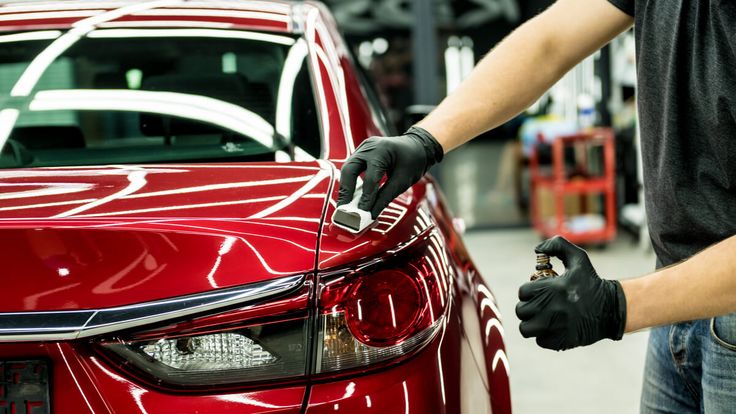
Volkswagen has unveiled breakthrough self-healing paint technology featuring microcapsule-based regenerative compounds. Minor scratches heal automatically within hours when exposed to heat or sunlight. This paint also offers UV and pollution resistance, increasing vehicle lifespan. Nissan is simultaneously developing its own version, signaling a significant shift toward durable, smart automotive finishes that reduce maintenance costs.
15. Porsche Confirms Electric 911 for 2028
Porsche has officially confirmed that its first fully electric 911 will launch in 2028. Designed to preserve the iconic driving feel of the classic 911, the model will feature a lightweight battery system, aerodynamic enhancements, and state-of-the-art performance engineering. This launch represents one of the most important milestones in Porsche’s history and positions the brand as a key player in the future of high-performance EVs.
About the Author